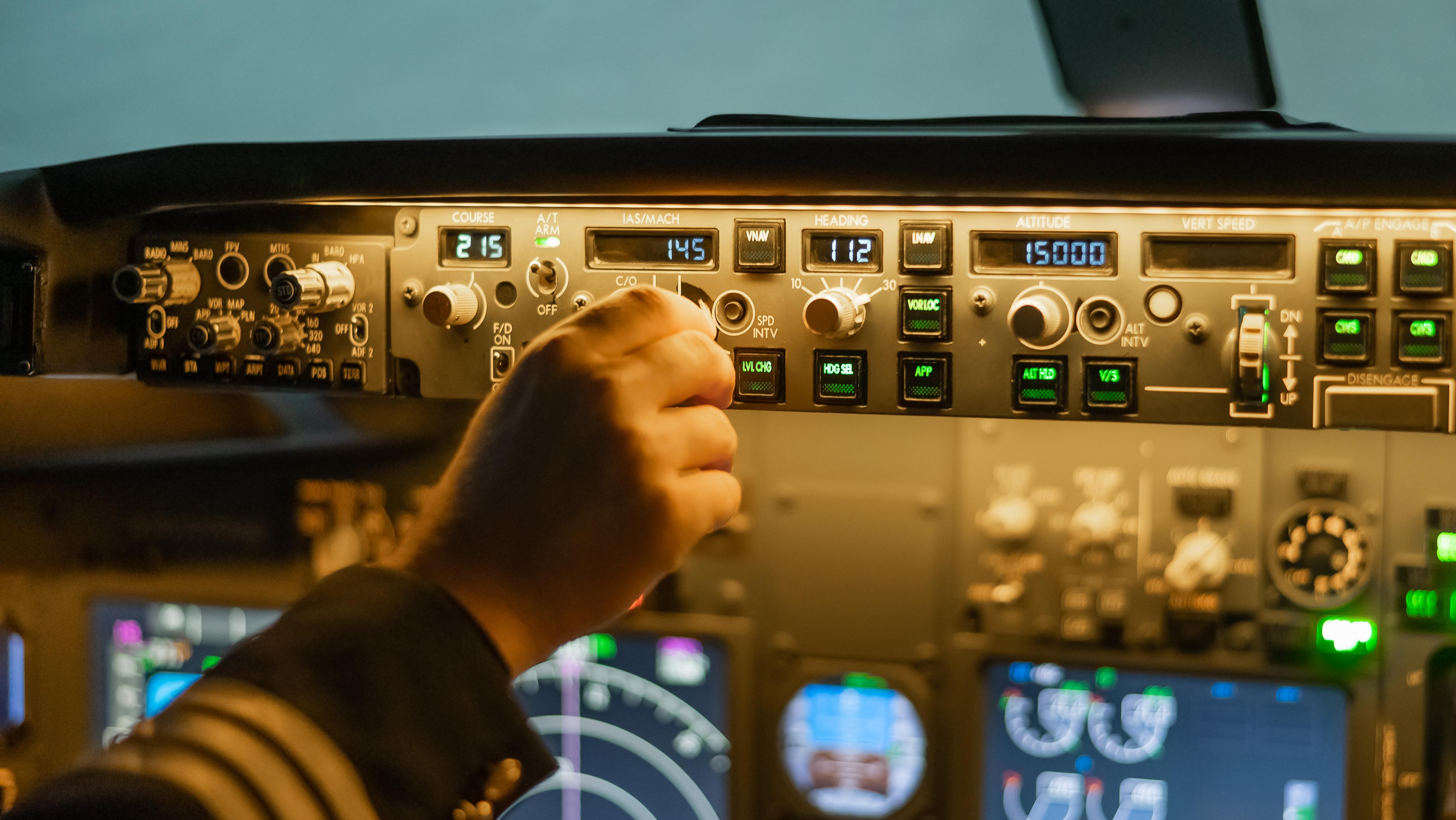
The U.S. Federal Aviation Administration (FAA) is reinstating its Flight Deck Training program, allowing air traffic controllers to observe cockpit operations firsthand aboard commercial, general aviation and military aircraft.
The program, which was paused at the start of the COVID-19 pandemic, is designed to help controllers better understand pilots’ responsibilities, cockpit procedures and the workload involved in responding to air traffic control instructions. The FAA worked with the National Air Traffic Controllers Association (NATCA) to bring the initiative back.
“Communication is key and this program will give controllers and pilots an up-close view of each other’s responsibilities and challenges,” FAA Administrator Bryan Bedford said.
NATCA President Nick Daniels welcomed the decision, saying firsthand cockpit experience gives controllers a better understanding of the challenges pilots face and how their decisions interact with the air traffic control system.
How the Program Will Work
Controllers will apply electronically to join specific flights and identify a training objective. After internal approval, the FAA will forward requests to the airlines. Participants will undergo several screening steps at the airport and before boarding, then submit a report outlining what they learned after completing the flight.
Each controller will be permitted to take part in up to two commercial or general aviation flights and one military flight per year. Requests will be assessed by the controller’s air traffic manager, taking into account staffing levels and operational needs at their facility.
All major U.S. airlines have agreed to participate in the program, according to the FAA.
The agency has already been testing the initiative and identified potential benefits for day-to-day air traffic management. These include helping controllers recognize when complex instructions may add unnecessary workload for pilots, as well as understanding the effects of changes such as assigning a different runway for landing.
The FAA expects the formal program to begin after Thanksgiving. By giving controllers a closer look at flight deck operations, the agency aims to improve coordination between pilots and controllers and strengthen understanding across the National Airspace System.