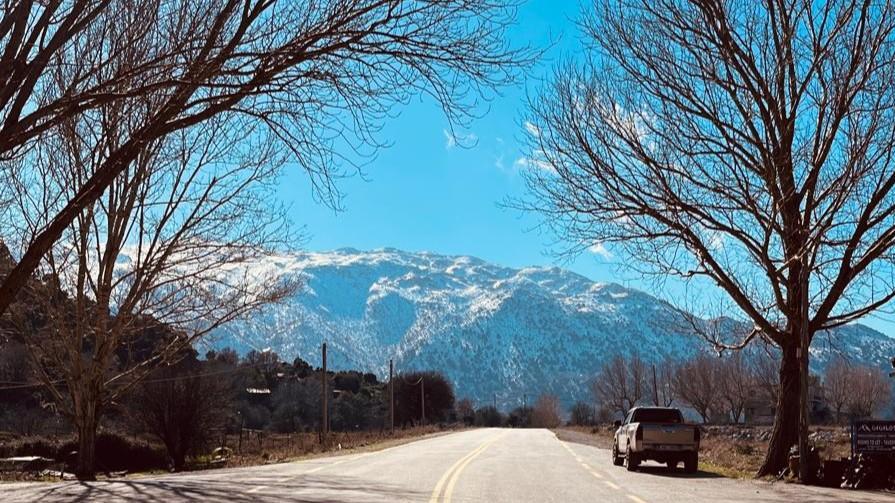
As the beaches empty, temperatures drop, and the pace slows, another side of Crete is revealed: the largest island in Greece, so associated with the sea, the sun, and summer vacation.
But an autumn or winter vacation in Crete can be a fascinating, different and no less enjoyable experience. True, there are quite a few rainy days on the island, which may ruin your plans a bit, but most of the winter is actually comfortable, even if it's a little cold outside. Dramatic gorges, snowy peaks, traditional villages, archaeological sites and even snowy mountains await you in cold-season Crete. Here are our top 5 recommendations.
1 | Heraklion and Knossos - A Journey to Minoan Culture
When the weather is less conducive to a nature walk, it's time to delve deeper into one of the most important chapters in European history. The Palace of Knossos, near Heraklion, was a major center of the Minoan culture, which developed in Crete thousands of years ago. The remains of the buildings, courtyards, and restored paintings provide a glimpse into a world of palaces, commerce, and art, and into the myths associated with King Minos and the Minotaur.
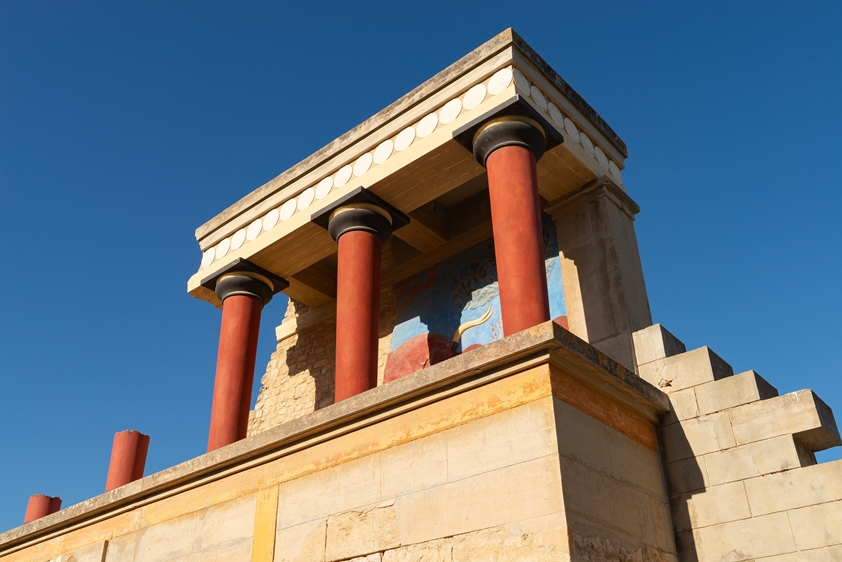 Palace of Knossos. Photo: SHUTTERSTOCK
It is recommended to combine a visit to the archaeological site with the Heraklion Archaeological Museum, which displays impressive finds from the Minoan period, including pottery, jewelry, and wall paintings. Together, the two sites provide broader context for what you see on the ground.
This is also a good opportunity to spend some time in the city of Heraklion itself, with its Venetian walls, port and local restaurants. In winter it is important to check opening hours in advance, as they may vary depending on the season.
2 | Trips to Malls (Not the Shopping Ones)
The mountains of Crete hide some of the most impressive landscapes in Greece, and autumn is a great opportunity to explore them on foot, with the heavy heat of summer behind us. Among the well-known routes are the Samaria Gorge, which is considered relatively well-known but is for advanced hikers with a long and rather complex walk, but there are also many around the island with easier difficulty levels.
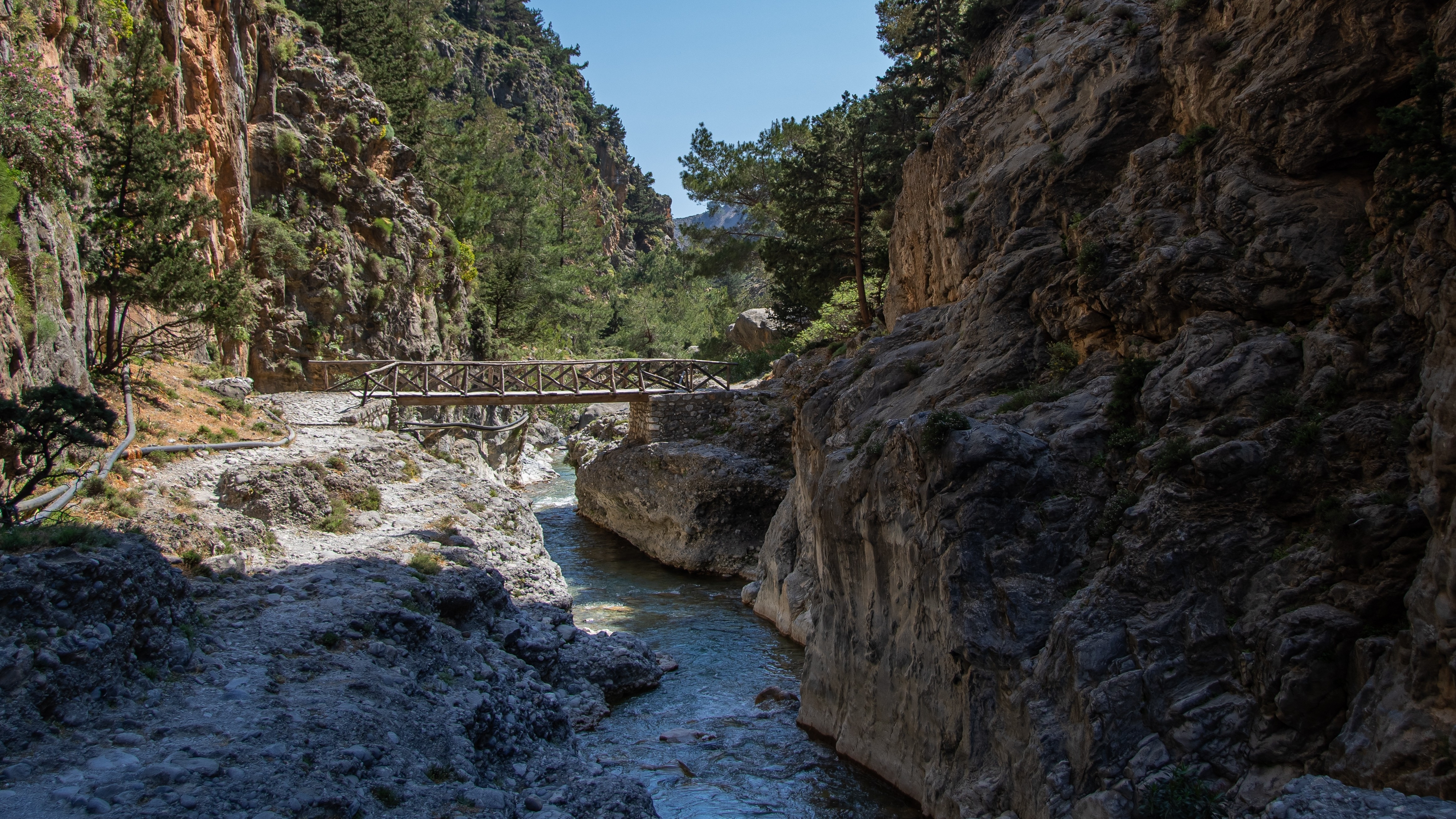 Samaria Gorge, Crete. Photo: SHUTTERSTOCK
After the rains, alongside the dramatic views, you can also walk in the clear streams. It is recommended to check online in advance which gorges are open and which are closed due to terrain conditions.
3 | The Authentic Villages - Live Like Cretans
Anyone who wants to get to know Crete beyond the resorts should head to the island's interior, where many villages maintain their local character and a pace of life completely different from the tourist season and the towns on the coastline.
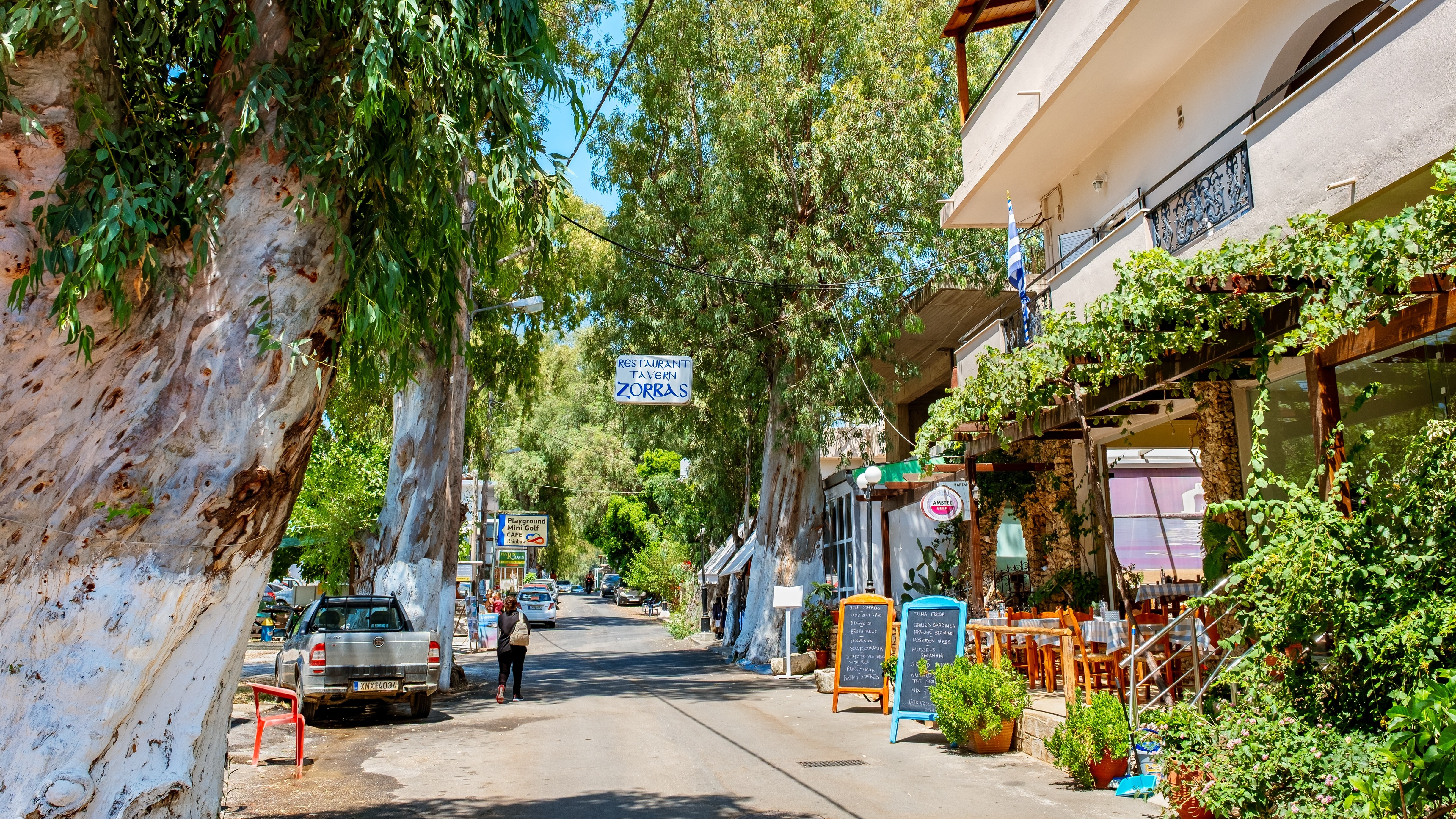 The villages of Crete. Photo: Shutterstock
In the Apokoronas region, east of Chania, you can find traditional villages like Vamos, with stone houses, alleys and family taverns. In the village of Margarites, in the Rethymno region, you can discover a long tradition of pottery and visit workshops where pottery is made. In the east of the island, the village of Kritsa offers picturesque streets and a tradition of weaving and handicrafts.
On your way, you can stop for fresh air and a cup of coffee at one of the simple places "on the road", where you can also taste local cheeses and get to know the hospitable residents. Keep in mind that in some villages, certain businesses operate with limited hours out of season, and the opening hours on Google Maps are not always correct.
4 | Lefka Uri - The Snowy Mountains Above the Mediterranean Sea
Imagine this rare image. You are on a snowy mountain, looking out at the blue sea. There is nothing more beautiful than this. You can experience and photograph this image in the White Mountains of Crete, (Lefka Ori).
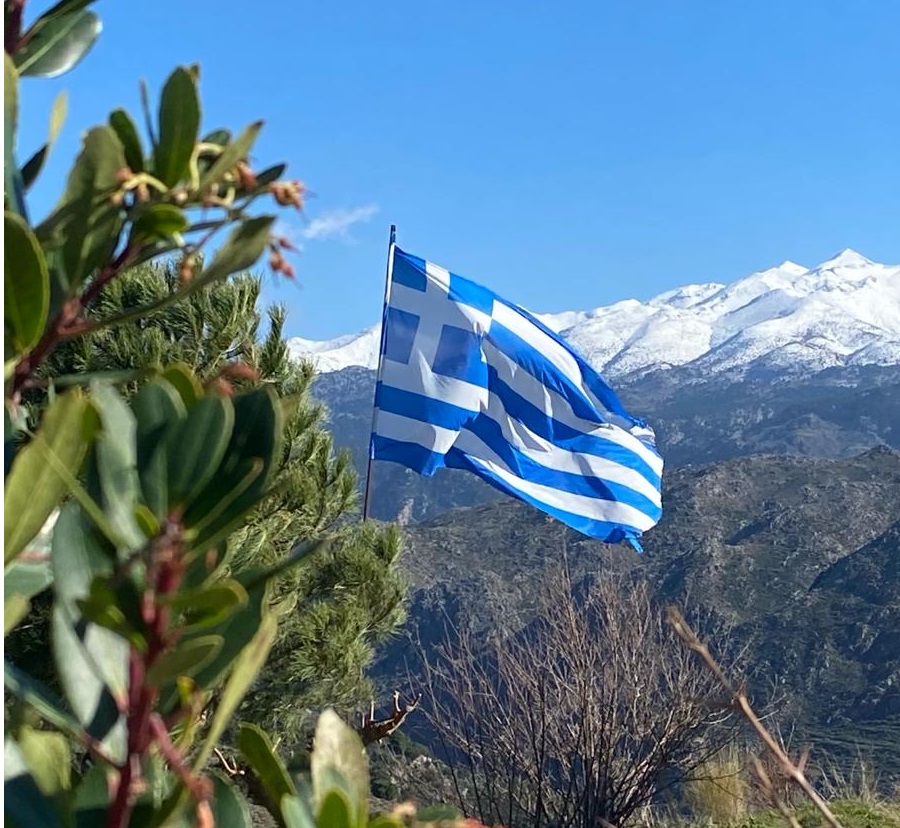 Photo: Amit Cotler
Some of the peaks are over 2,000 meters high, and in the winter months they are covered in snow. The sight of a white ridge above a Mediterranean island is one of the most surprising sights of Crete, especially on days when along the coast you can still enjoy reasonable weather (keep in mind that it is cold on the mountain, sometimes 10-15 degrees colder than on the coast).
You can do such a spectacular drive in the Omalos area and many other points in the mountains. It is also important to take into account that access roads may be affected by the weather and that there is no tradition of snow plows here. Drive carefully.
5 | Warm Taverns with Winter Flavors
Winter is a great time to get to know Crete through the plate, especially through the agricultural produce that shapes the local cuisine. The island is one of Greece's most important olive- and grape-growing regions, and in the fall you can sometimes catch the olive harvest and see how one of the products most identified with the island goes from the groves to the presses.
At wineries around Heraklion, and in other areas, you can learn about local varieties and arrange tastings (there is nothing more delicious!), depending on what's happening at the time.
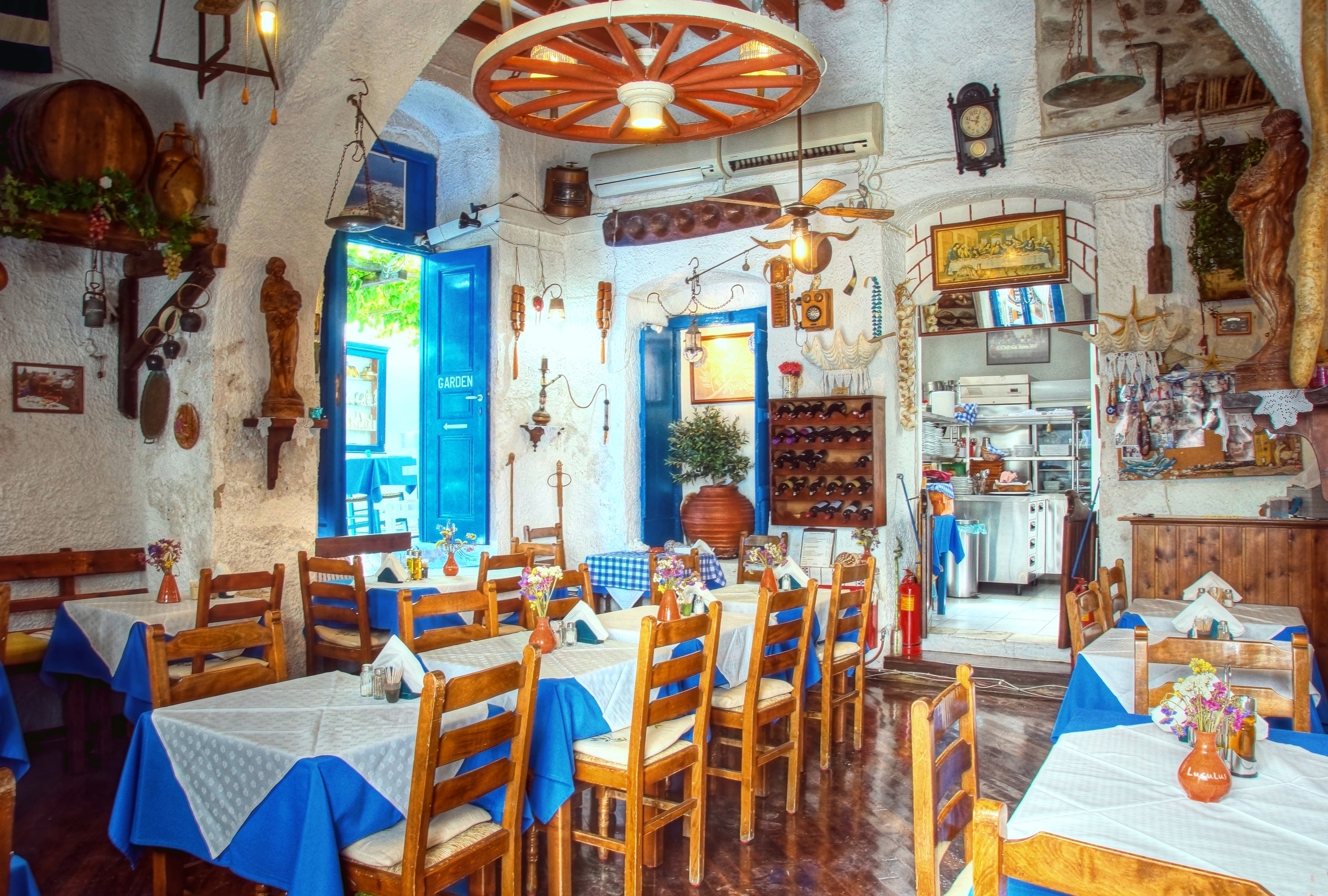 Taverna in Crete. Photo: Shutterstock
Along with wine and olive oil, look for family taverns open in winter that serve seasonal dishes, local cheeses, traditional pastries, and dishes made with regional ingredients.
Tips for Tourists in Crete in Winter
A. Driving: It is recommended to take a car to reach points further away than the hotel or city area. However, locals can drive fast and even wildly. Drive carefully, do not rush and do not forget to signal.
B. What's open and what's closed: Many parts of the island are closed in the winter, including taverns and some shops. As we wrote, some of this information is not updated on Google Maps. We recommend calling before you arrive at the place you want to visit to make sure it's open.
C. Taxis: Taxi services are not very developed in Crete. It is certainly possible to hail a taxi on the street, but keep in mind that you need cash with you, and it is highly recommended to agree on the fare with the driver in advance.