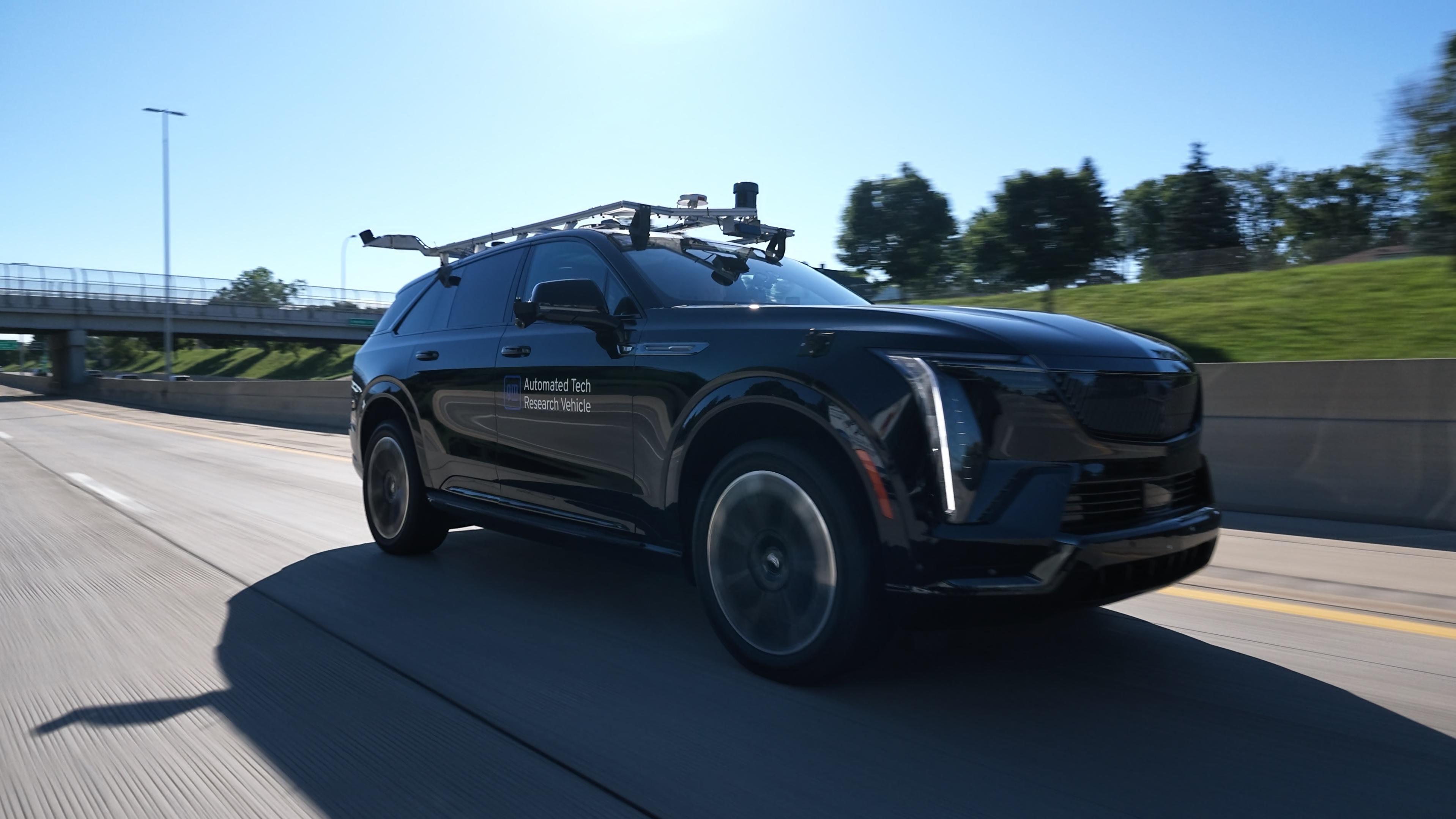
At the GM Forward event in New York on October 21, the company showcased developments to enhance vehicle computing capabilities, provide more services to drivers, and pave the way for advanced autonomous driving.
A key innovation is a new electrical and computing architecture allowing a central computing unit to integrate various vehicle systems.
According to the company, this system offers 40 times the computing power of previous systems, improves cellular connectivity speed by up to 50%, and reduces wiring length and weight by 30%. It supports the operation of safety systems, chassis control, propulsion, environmental perception, and AI applications simultaneously.
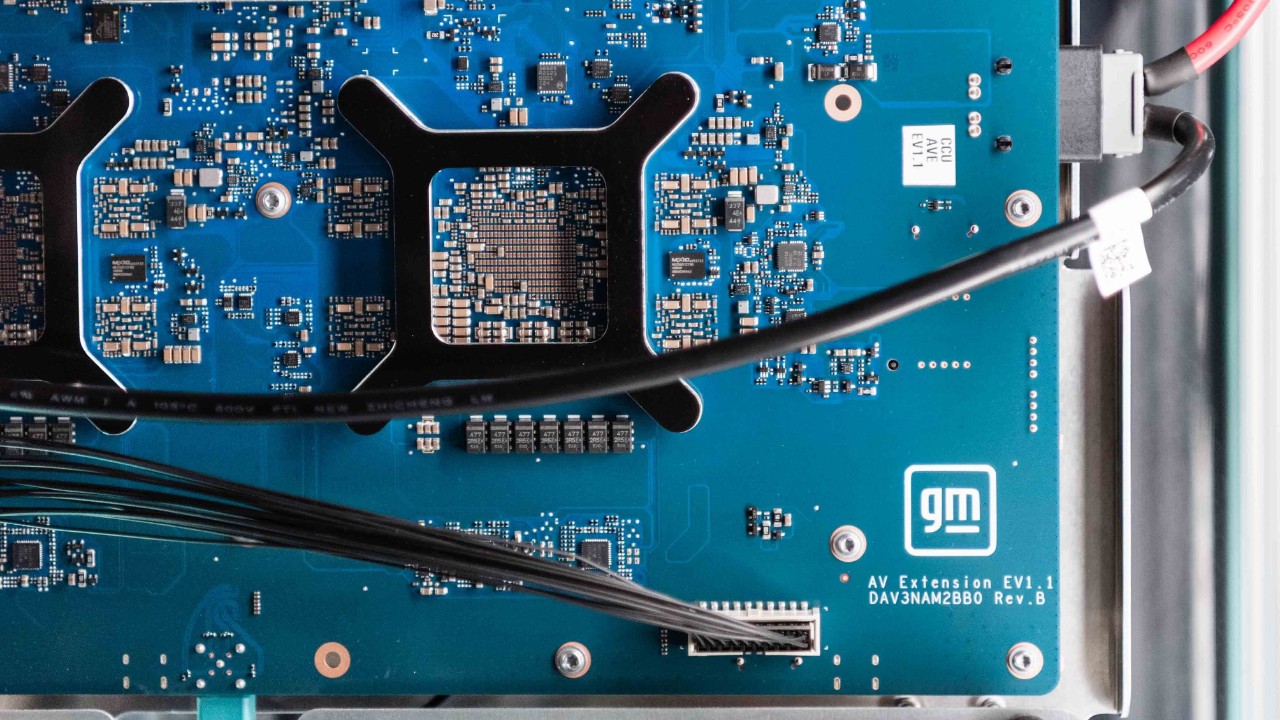 Inside view of the Central Computing Unit (CCU). Photo: GM
The architecture is designed for various propulsion types, not just electric vehicles. Launch is expected in 2028 with the Cadillac ESCALADE IQ, subsequently extending to large SUVs, trucks, and fourth-generation electric models. The system serves as a platform for adding capabilities and software updates even after vehicle delivery.
Simultaneously, GM plans changes to digital services accompanying drivers outside the vehicle. Starting in 2027, a new OnStar app will be launched, integrating vehicle management services from brands like Buick, Cadillac, Chevrolet, and GMC, along with OnStar Guardian. The app will feature AI capabilities and provide vehicle status information.
Features will include connected cameras for real-time viewing and recordings related to accidents and safety. It also offers family services and proactive safety tools. Users can choose features to activate and adjust privacy settings.
The app provides information on driving range, charge status, and tire pressure, helping drivers check energy levels and plan charging stops. It explains alerts and warnings based on the vehicle's systems.
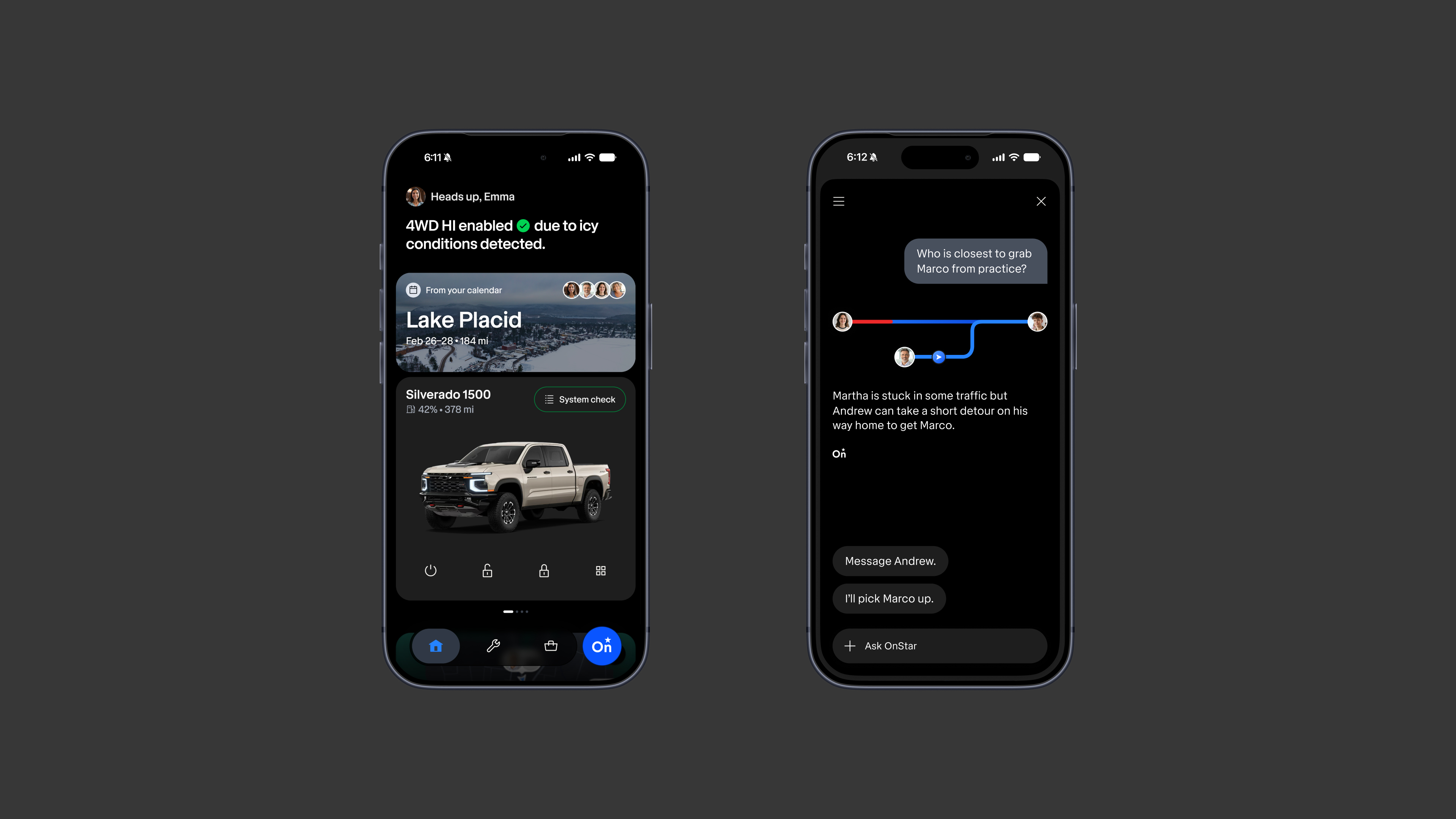 OnStar App. Photo: GM
GM aims to advance autonomous driving development. The company’s Super Cruise system allows hands-free driving on suitable roads, but drivers must remain attentive. According to GM, the system has been used for over 1.2 billion miles in almost 750,000 vehicles.
The next phase is planned for 2028, introducing autonomous highway driving first in the Cadillac ESCALADE IQ, then extending to large SUVs and light trucks, including non-electric models. Development combines driving data, machine learning, and simulations. Hundreds of data collection vehicles operate across the United States, collecting data from about a million miles monthly.
The company's vision goes beyond passing vehicle control to a computer. The event featured the Concept Horizon, a design concept for an autonomous-friendly cabin that lets passengers use travel time for work, entertainment, or rest instead of driving focus. Though reflecting GM’s direction, it doesn't announce a production model.
Additionally, GM is changing how it plans vehicles. Rather than working sequentially across design, engineering, and manufacturing teams, GM integrates them to collaborate from the start using shared digital models. The aim is to cut the typical four- to five-year development cycle in half.
An example is the development of LMR batteries based on lithium-manganese chemistry. GM reports virtual testing of over 300,000 battery designs before building a physical prototype, with the process from battery pack concept to plan approval taking about a month.
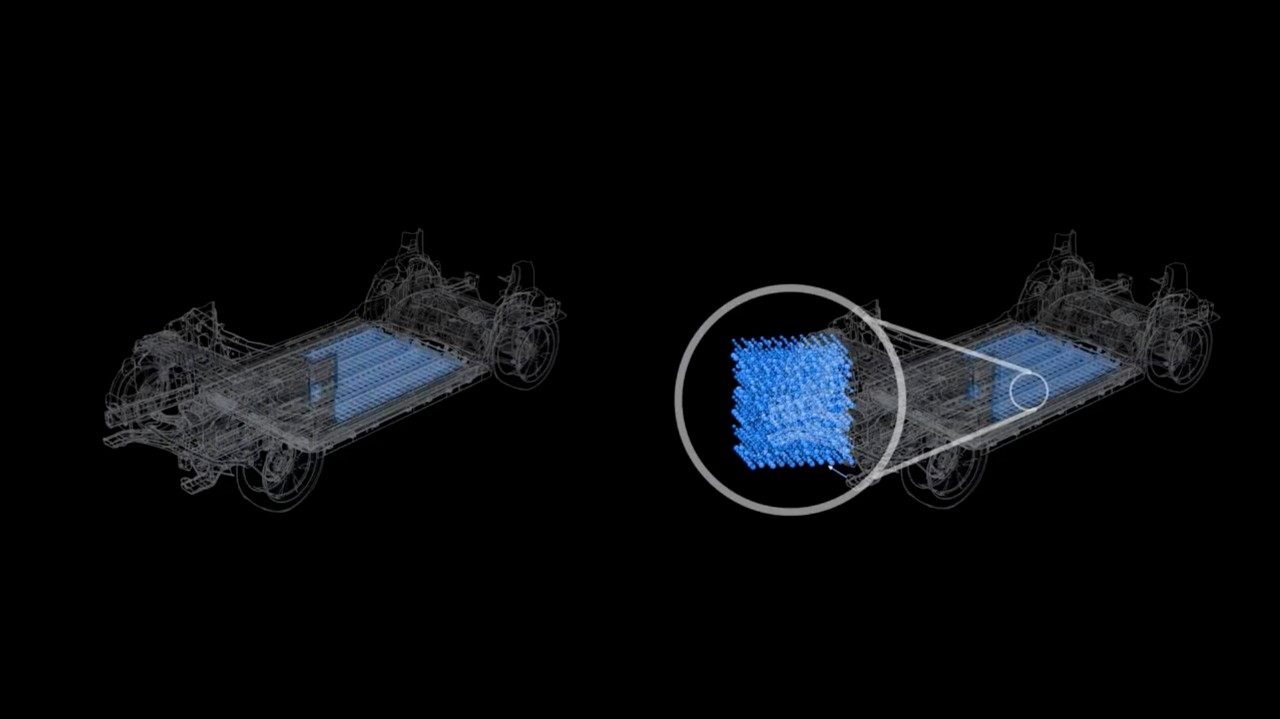 Virtual testing of LMR battery in fourth-gen electric vehicle. Photo: GM
The fourth-generation electric vehicle platform shows encouraging early results, indicating a potential 20% improvement in range per kWh via combined batteries, propulsion units, and aerodynamics.
LMR batteries are designed to offer 33% higher energy density than LFP batteries, while new propulsion units include 40% fewer parts compared to current systems. In battery assembly facilities, digital tools have reduced battery pack assembly time by 30%, according to GM.