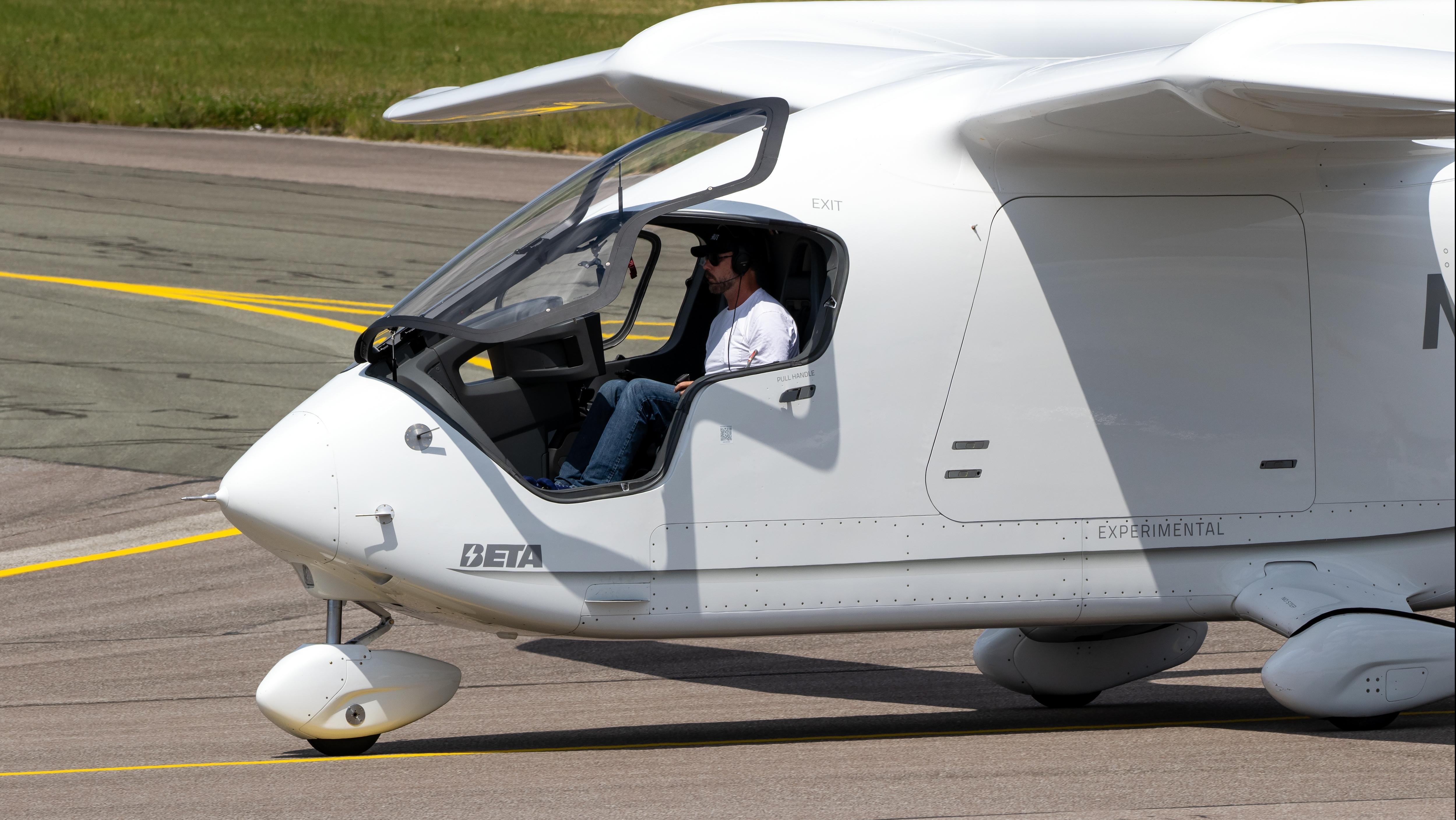
The Federal Aviation Administration (FAA) has released updated draft design standards for infrastructure designed to support electric vertical takeoff and landing (eVTOL) aircraft and other vertical flight vehicles, looking to obtain feedback from the industry before finalizing the guidance in summer 2027.
The proposed standards are intended to help airport and heliport owners, operators and infrastructure developers plan facilities for aircraft that can take off and land vertically without using a runway.
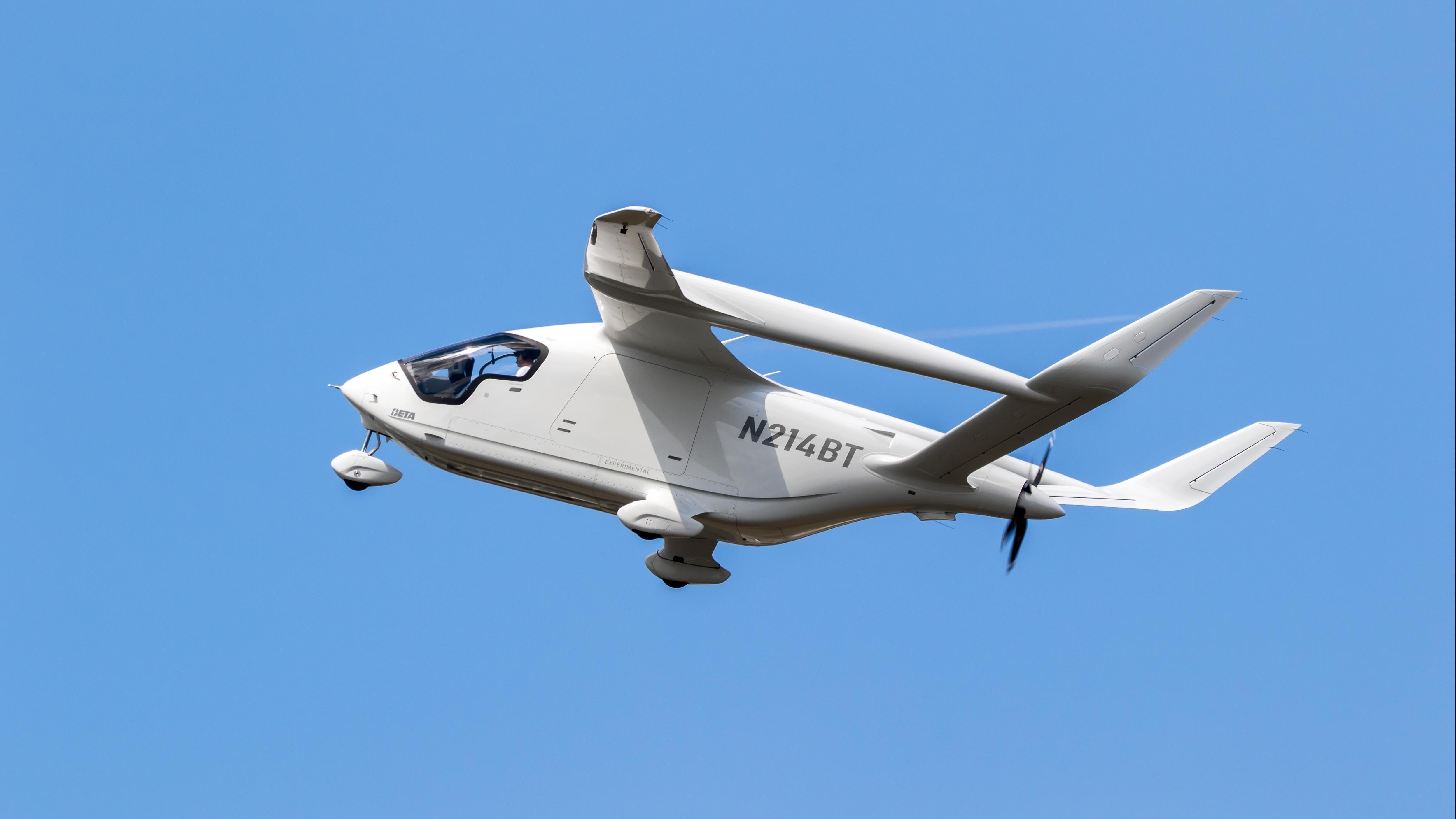 Photo: VanderWolf Images / Shutterstock.com
The guidance covers advanced air mobility (AAM) operations as well as other types of vertical flight, including helicopters, rotorcraft and powered-lift aircraft.
“The next generation of aircraft is here, and we are ensuring we have the infrastructure built to support safe takeoffs and landings for them across the National Airspace System,” said FAA Administrator Bryan Bedford.
“These aircraft have tremendous potential to generate new jobs, connect communities, and strengthen American leadership in aviation,” he added.
The draft guidance sets out design requirements for key areas of vertical flight facilities, including touchdown and liftoff areas, final approach areas, safety zones and approach surfaces. It also addresses lighting, pavement markings, perimeter lighting, glideslope indicators and other visual aids intended to help pilots operate safely.
Other sections cover aircraft fueling and electric charging systems, as well as the integration of vertical flight facilities into existing airports without disrupting current operations. The proposal also includes guidance for landing and takeoff areas built on suitable rooftops and elevated structures.
The FAA said the updated standards combine earlier design guidance for heliports and vertiports into a broader framework. The agency plans to work with industry partners and gather public comments before publishing the final version.
Operational experience and real-world data from the FAA’s eVTOL Integration Pilot Program (eIPP) will help inform future revisions. The program is intended to provide practical insights into integrating these aircraft into the national airspace system.
The initiative also aligns with President Donald Trump’s Unleashing American Drone Dominance executive order, issued in June 2025, which calls for US leadership in drone technology and related aviation innovation.
The FAA expects to publish final design standards in summer 2027. Until then, the current document remains a draft proposal rather than a finalized set of requirements.