Oh, Tuscany! The land of the rolling green hills and vineyards you often see in Hollywood movies and instantly fall in love with. You know it, you dream of it, or you wish to see it one day. And if that day has finally arrived, here is everything you need to know about the celebrated Italian region before you pack your bags.
From Siena’s medieval streets to Florence’s art, Elba Island’s beaches and the marble landscapes of the Apuan Alps as teasers, here are five places worth discovering here.
Siena: Medieval Streets and a Famous Square
Siena is, by far, essential for anyone interested in the undeniable charm of medieval architecture.
 Siena. Photo: Alex Igna
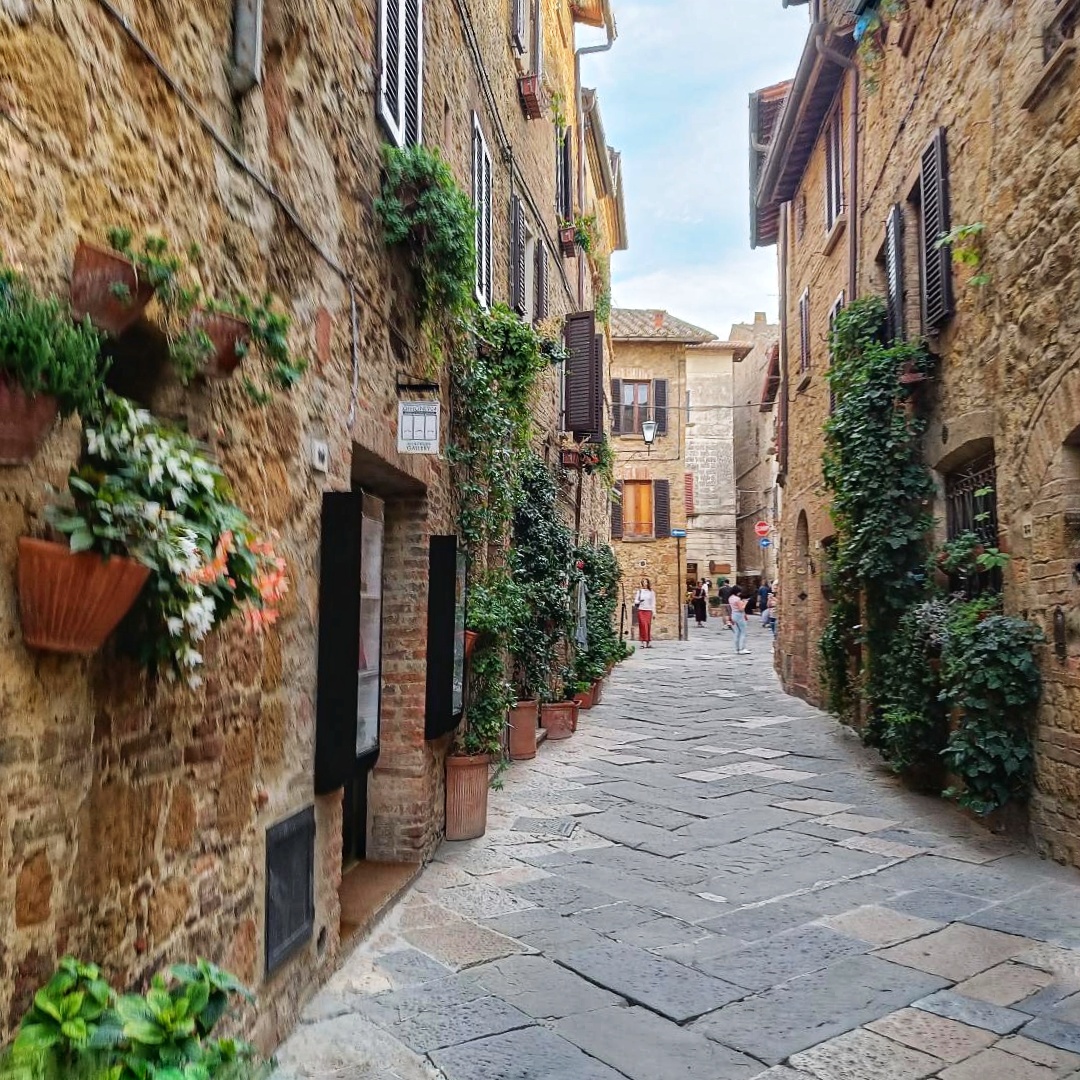
Brick buildings and narrow lanes lead to Piazza del Campo, the shell-shaped square where the traditional Palio horse race takes place twice a year.
Siena Cathedral is another highlight, known for its richly decorated interior and black-and-white marble.
 Siena. Photo: Alex Igna
Choosing it as your base is also a good idea, with accommodation for two adults and two children running as low as 55 EURO per night in November. Be sure to allow a full day to explore. Trains and buses connect Siena with Florence, although the railway station sits around two kilometers from the historic center.
San Gimignano: Tuscany’s Medieval Manhattan
 San Gimignano. Photo: Shutterstock
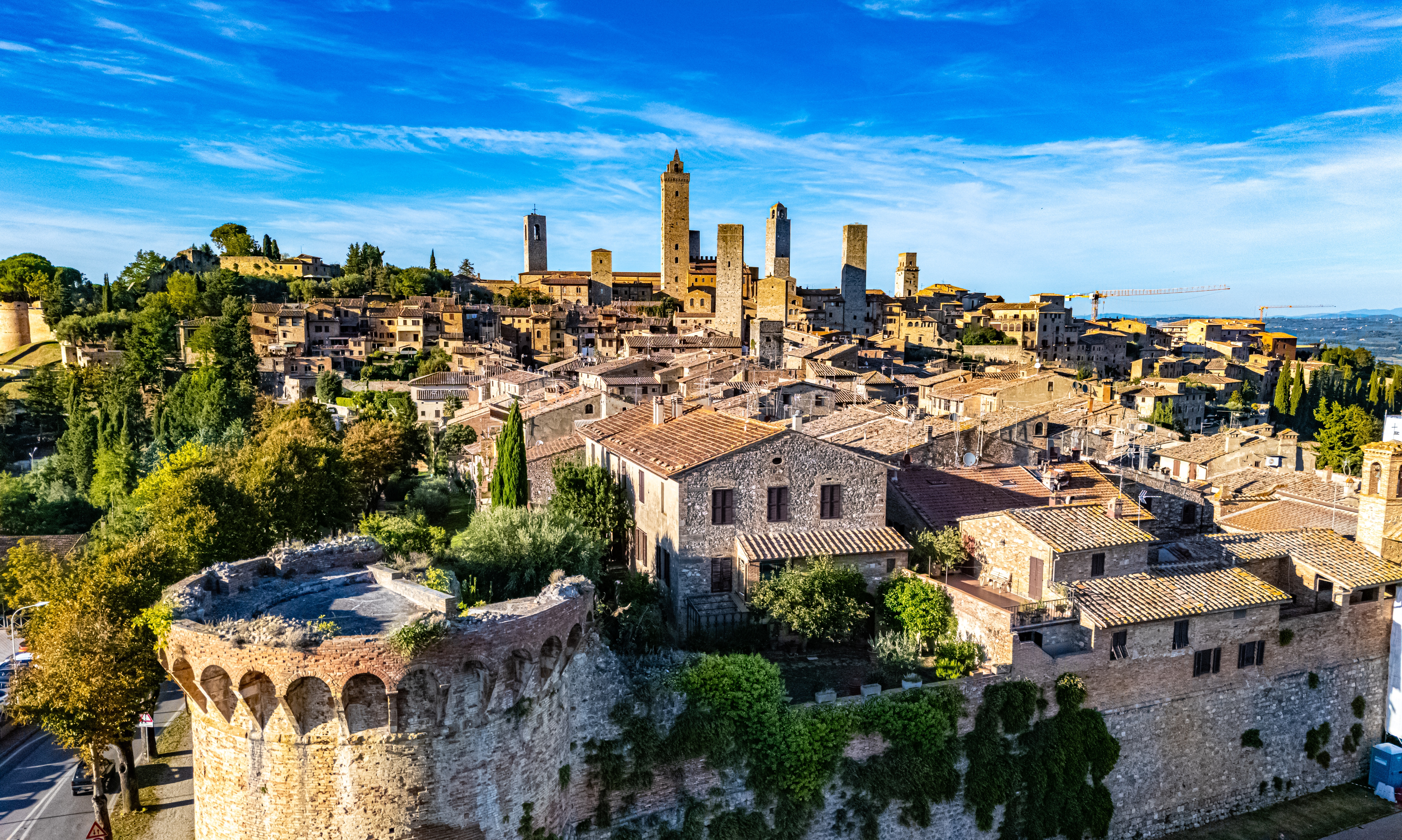
Rising above the Tuscan countryside, San Gimignano is one of Italy’s most recognizable medieval towns. Often nicknamed the “Medieval Manhattan,” it is famous for its tall stone towers, which once symbolized the wealth and influence of the families who built them.
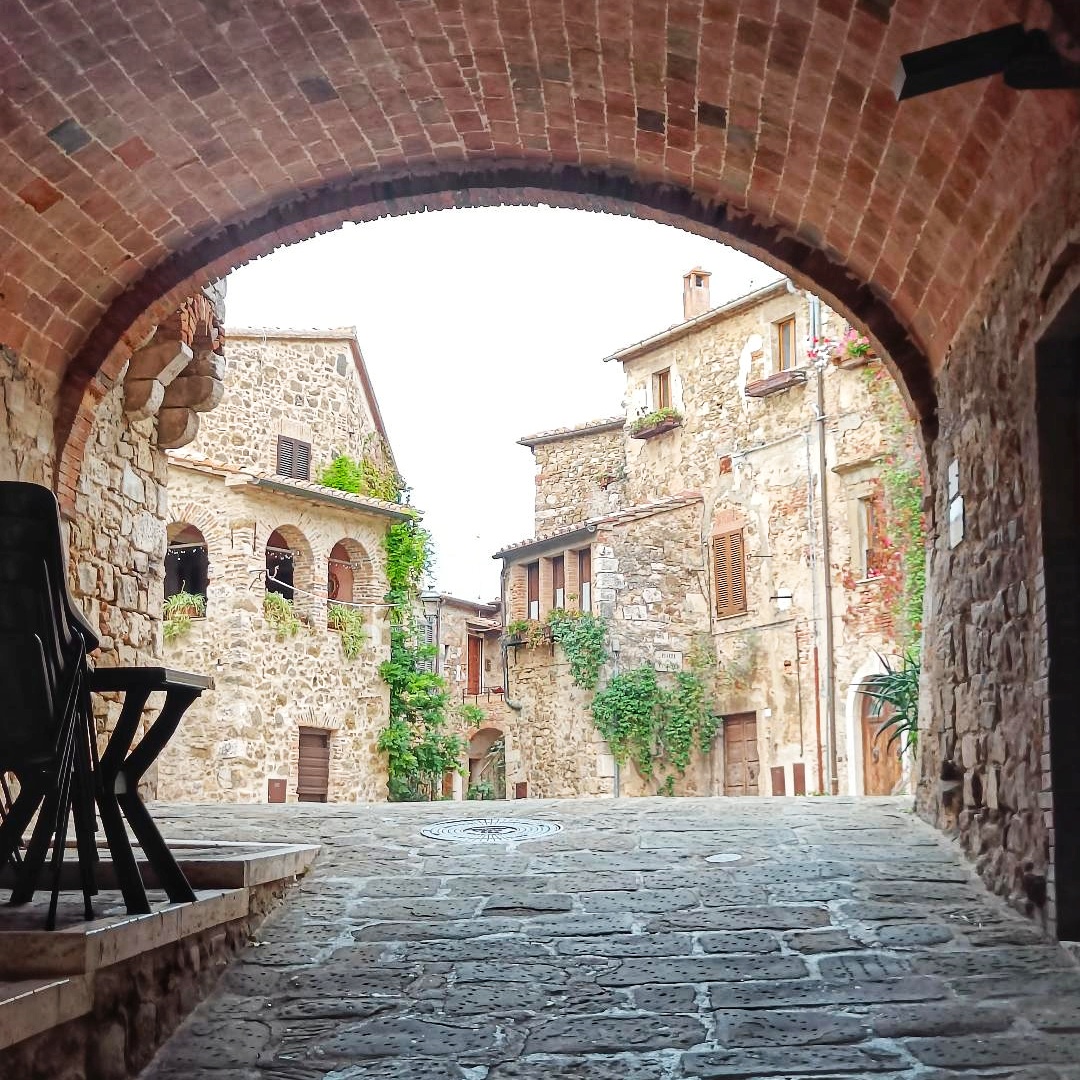 San Gimignano. Photo: Alex Igna
The town’s historic center is a UNESCO World Heritage Site, with narrow cobbled streets, stone buildings and picturesque squares. And if you plan to stay here, it could cost you as little as 70 EURO per night for a family with two children in November.
Choose Piazza della Cisterna for coffee and gelato breaks. For panoramic views across the rooftops and surrounding vineyards, climb Torre Grossa, the tallest surviving tower in the town.
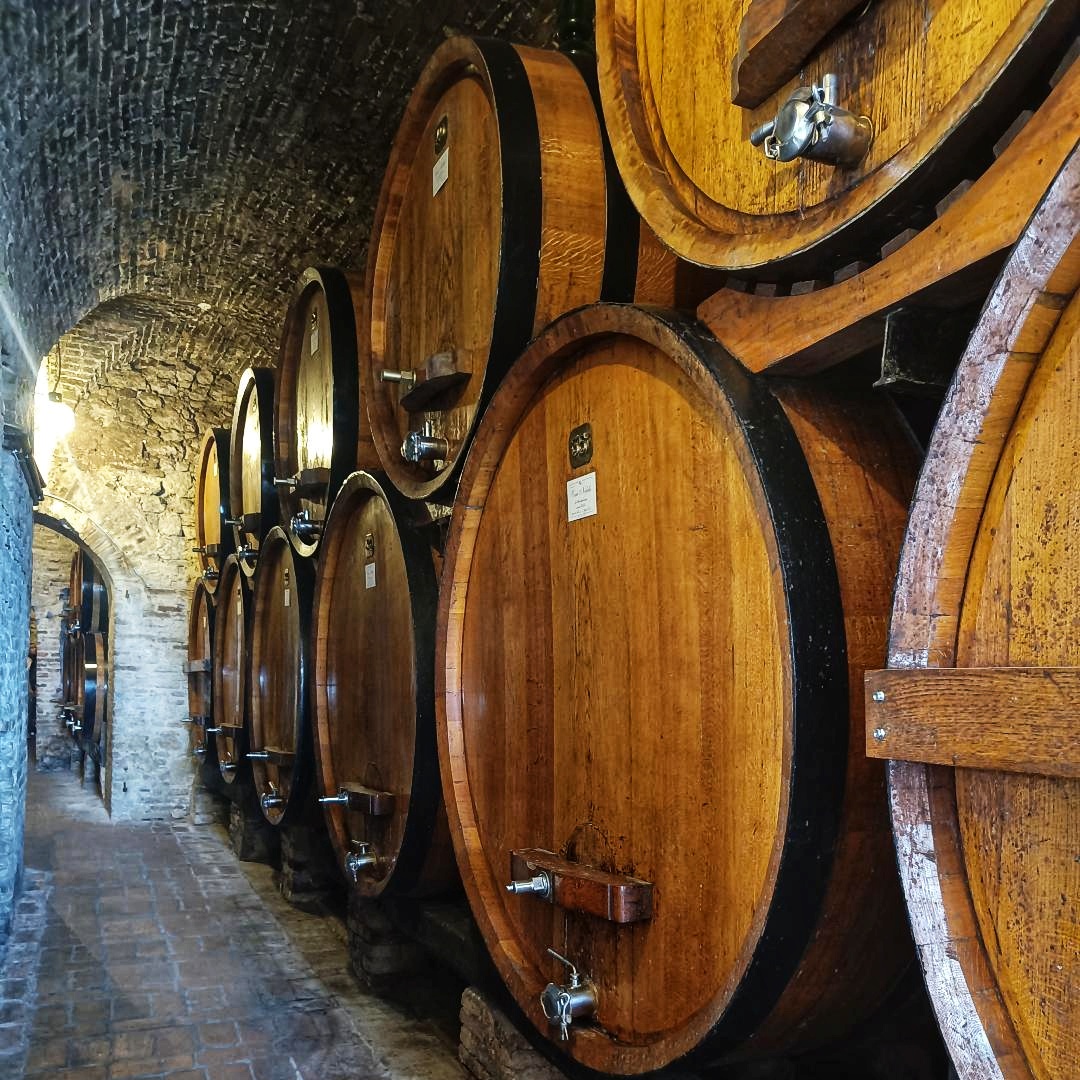 Winery in Tuscany. Photo; Alex Igna
San Gimignano is also a destination for food and wine lovers. The surrounding countryside produces Vernaccia di San Gimignano, a white wine with a long local history. Sample it at wine bars or arrange tastings at nearby estates. Local restaurants also serve traditional Tuscan dishes, while small shops offer regional specialties, including saffron produced in the area.
Monteriggioni: Behind Medieval Walls
Monteriggioni is a small village surrounded by defensive walls and towers, built by Siena in the early 13th century. Its stone buildings, central square and narrow lanes offer a glimpse of medieval Tuscany.
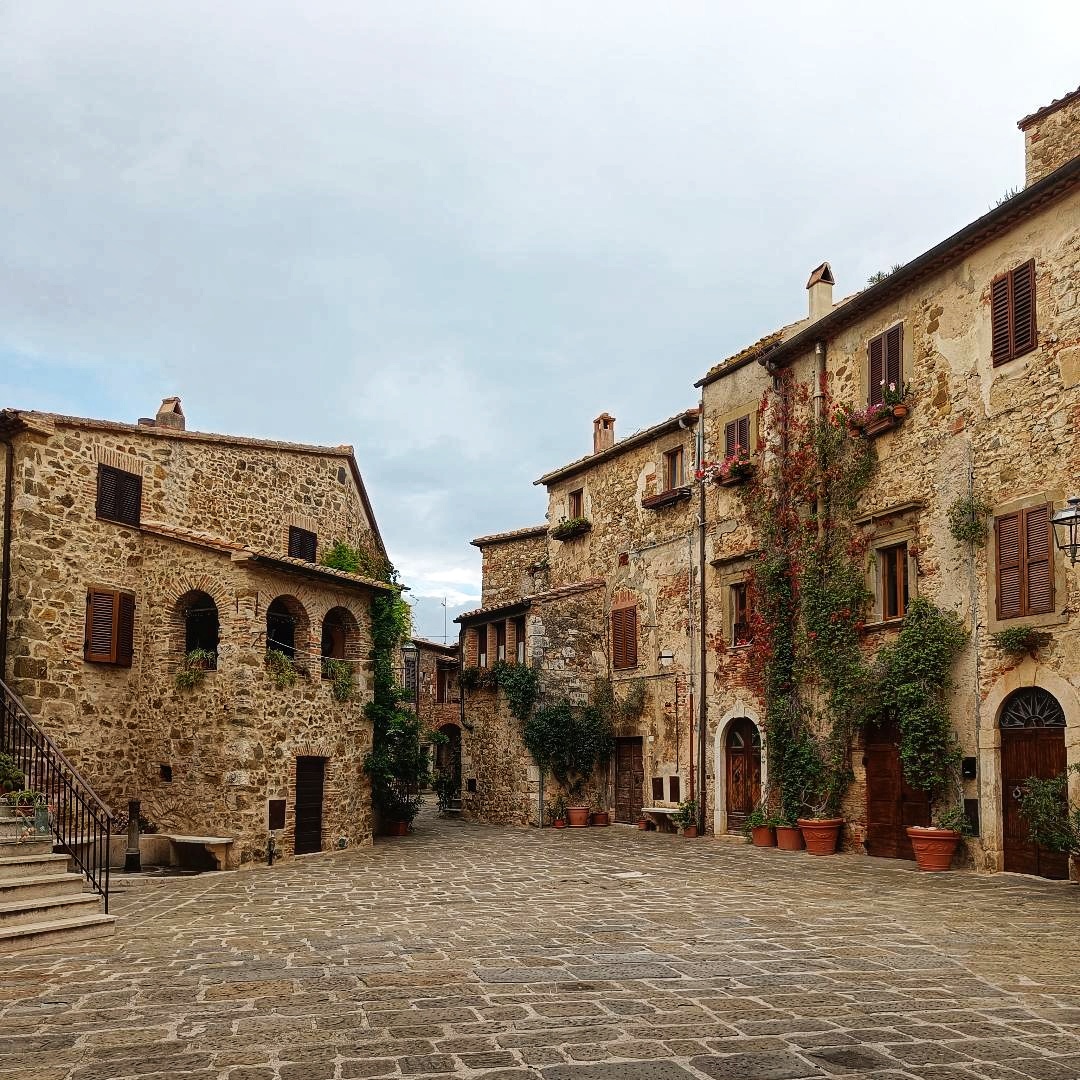 Piazza del Castello din Montemeran. Photo: Alex Igna
One or two hours is enough to explore, making it an easy addition to a Siena itinerary. Driving is convenient, while buses serve nearby stops.
Val d’Orcia: Tuscany’s Postcard Landscape
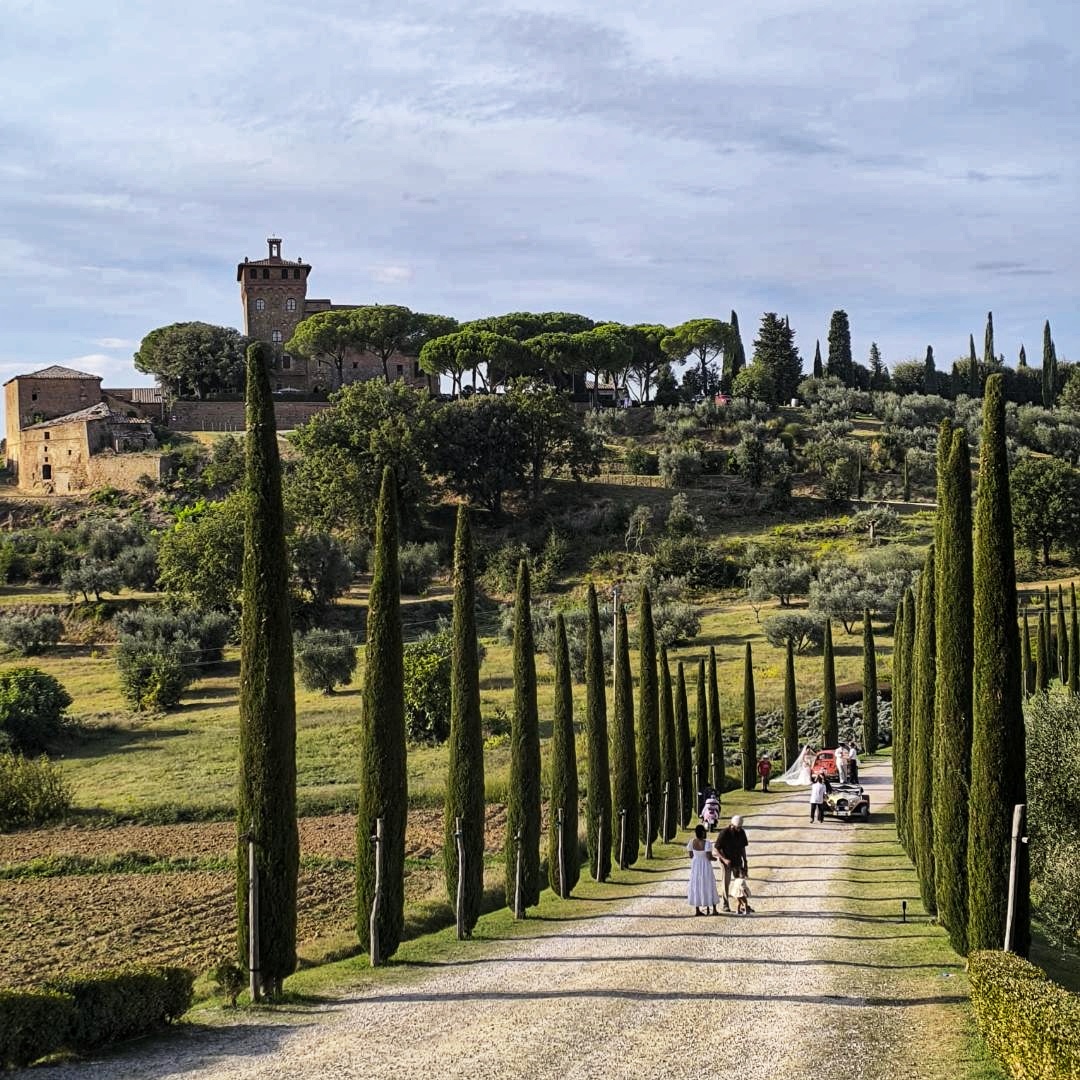
Val d’Orcia captures Tuscany’s familiar beauty with rolling hills, winding roads, cypress trees and fields that change color throughout the seasons. Farmhouses and small settlements dot the countryside, surrounded by vineyards and olive groves.
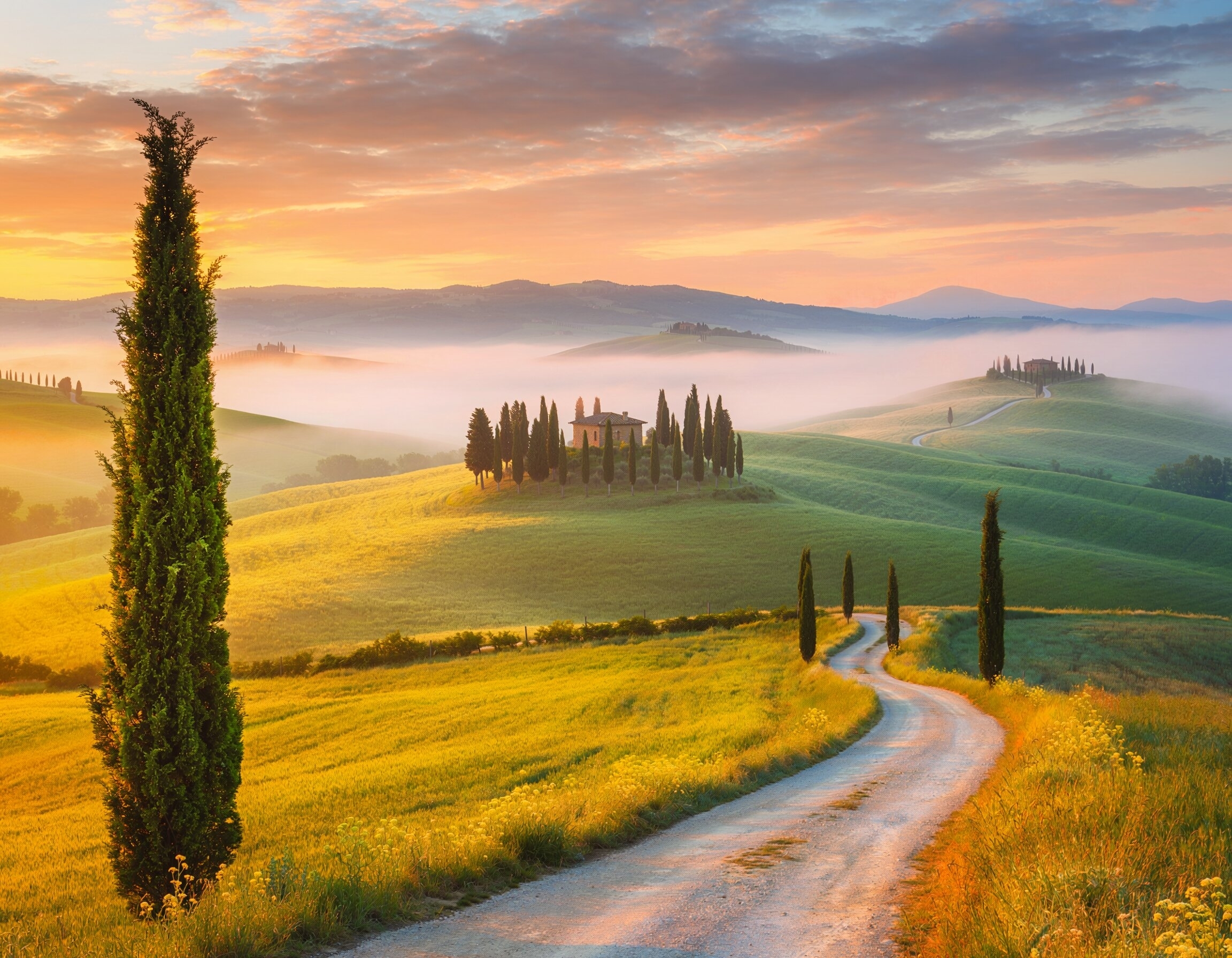 Val d'Orcia. Photo: Shutterstock
Renting a car is the easiest way to explore, allowing spontaneous stops for photographs and local food. Nearby railway stations include Siena, Buonconvento and Chiusi-Chianciano Terme, although onward transport can be limited.
Florence: Art and Renaissance History
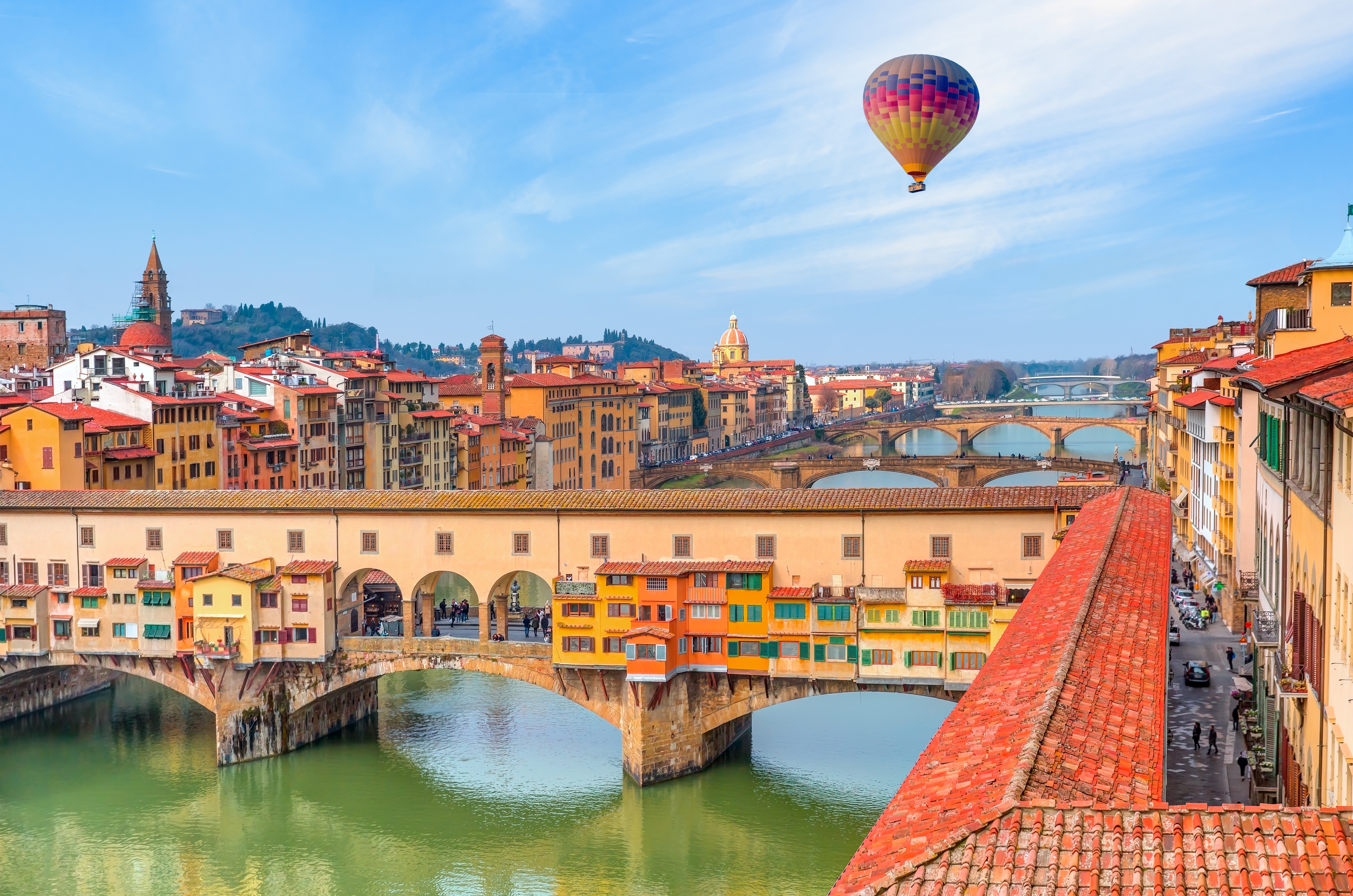 Florence. Photo: Shutterstock
Florence is Tuscany’s cultural centerpiece. The Cathedral of Santa Maria del Fiore, Ponte Vecchio and Piazza della Signoria are among its most recognizable landmarks.
Art lovers should make time for the Uffizi Gallery, home to major Renaissance works. Local markets, cafés and traditional restaurants provide another way to experience the city.
Hidden Gems You Must Discover
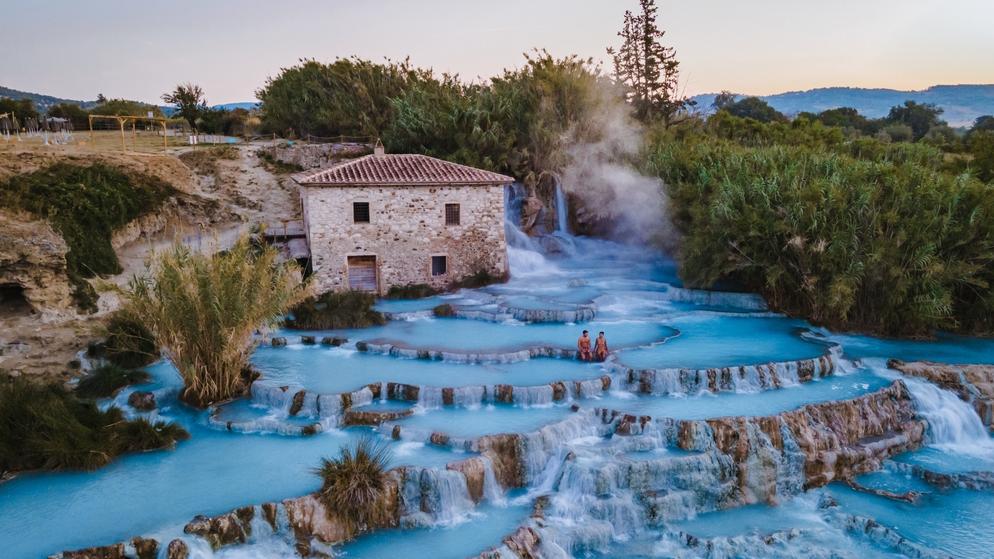
In southern Tuscany, near the village of Saturnia, the Cascate del Mulino offers a different kind of Tuscan escape. Instead of vineyards and medieval streets, the landscape here is shaped by warm, mineral-rich water flowing over pale travertine rock, forming a series of small natural pools.
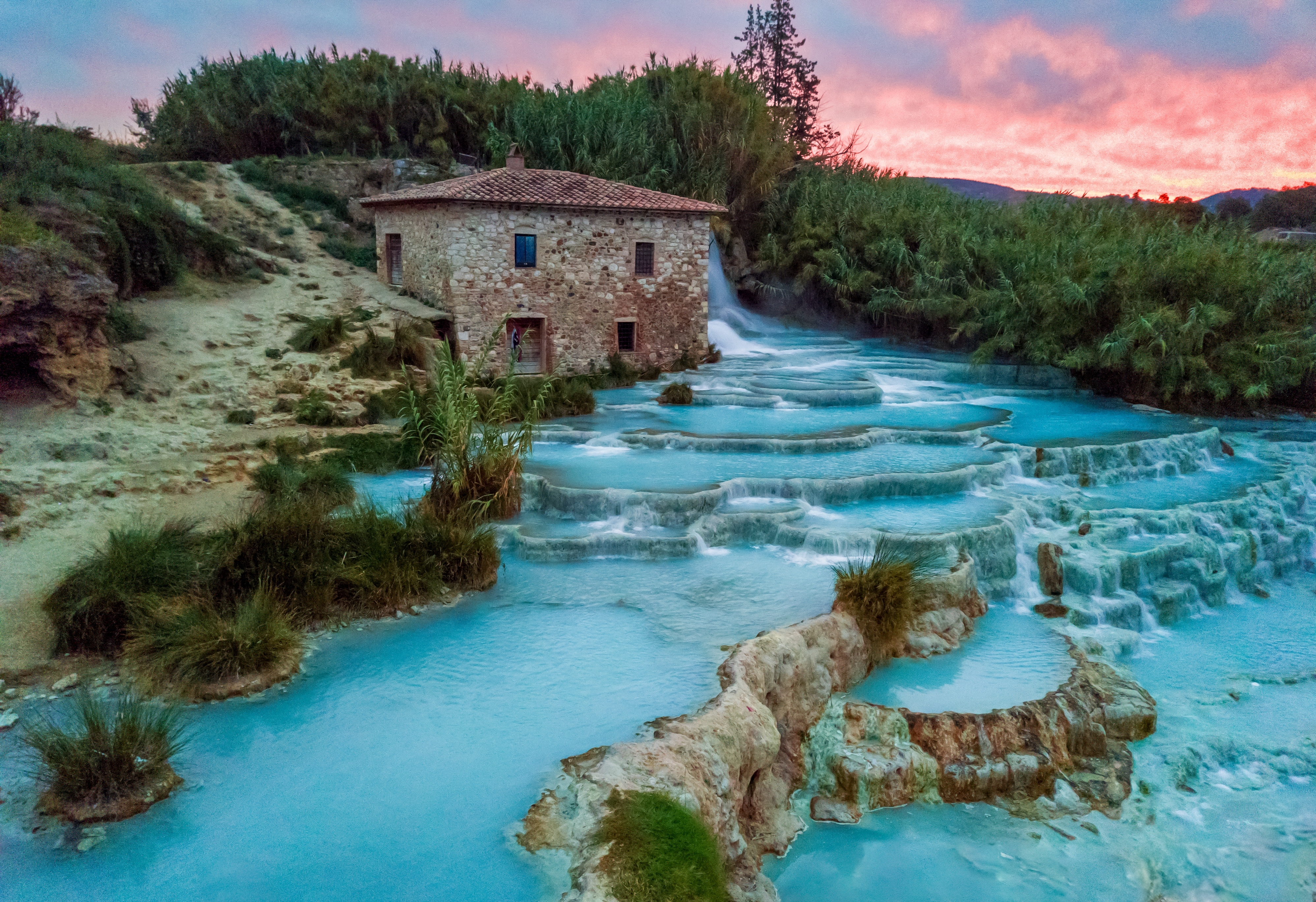 Saturnia. Photo: Shutterstock
The thermal water emerges from underground at around 37.5°C and cascades down the stone terraces, creating one of the region’s most distinctive natural sights. Visitors can step into the pools and soak in the warm water while looking out over the surrounding countryside.
Unlike many thermal spas, Cascate del Mulino is a natural outdoor site that can be visited without paying an entrance fee.
Montemerano is a charming medieval village in southern Tuscany, not far from Saturnia and its famous thermal waterfalls. Surrounded by rolling countryside and olive groves, it features stone houses, narrow lanes and a small historic square.
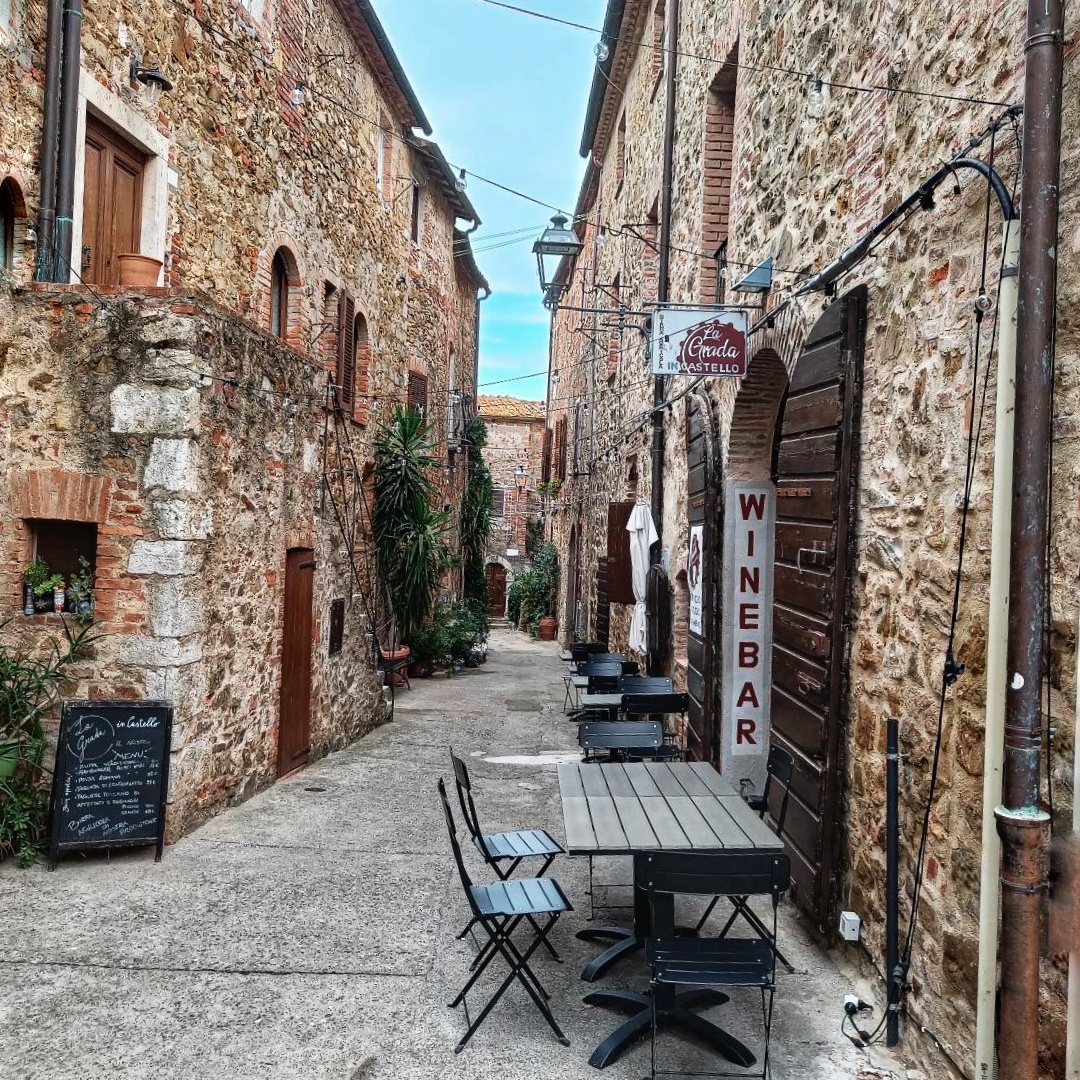 Piazza del Castello din Montemeran. Photo: Alex Igns
Stop for a stroll through the old center, enjoy a meal at a traditional Tuscan restaurant, or combine the visit with a trip to the nearby Cascate del Mulino.
Grosseto, in southern Tuscany, combines a historic center enclosed by Renaissance-era walls with access to the Maremma countryside and nearby coastal areas.
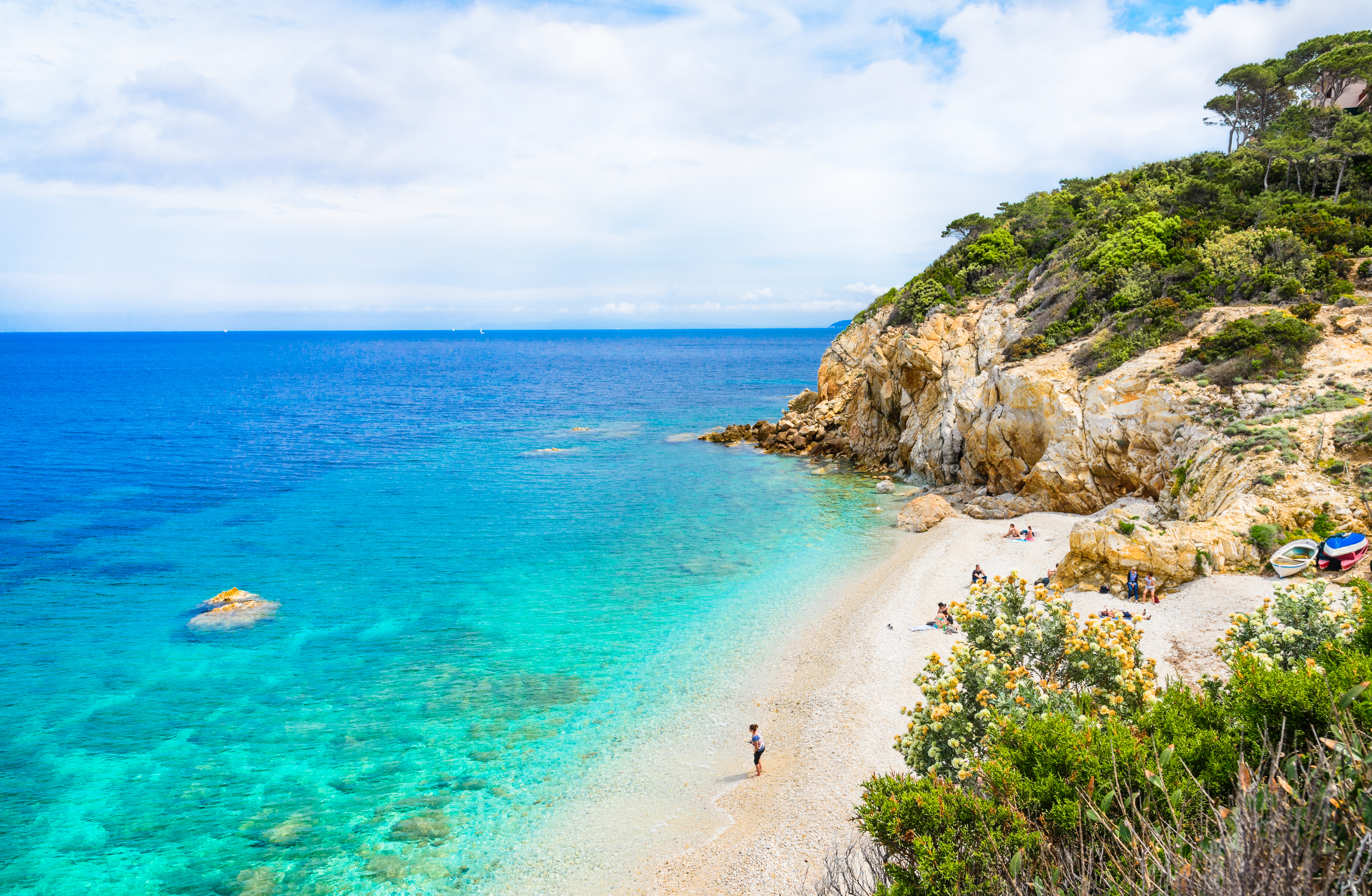 Elba Island. Photo: Shutterstock
Elba Island offers a Mediterranean alternative to Tuscany’s countryside, with sandy beaches, rocky coves, clear water and small seaside villages.
Farther north, the Apuan Alps offer rugged mountains and marble quarries. Cava Valsora is a particularly unusual stop, with pale geometric rock faces and a small lake known as a biolago, which provides habitat for native Apuan Alpine newts.
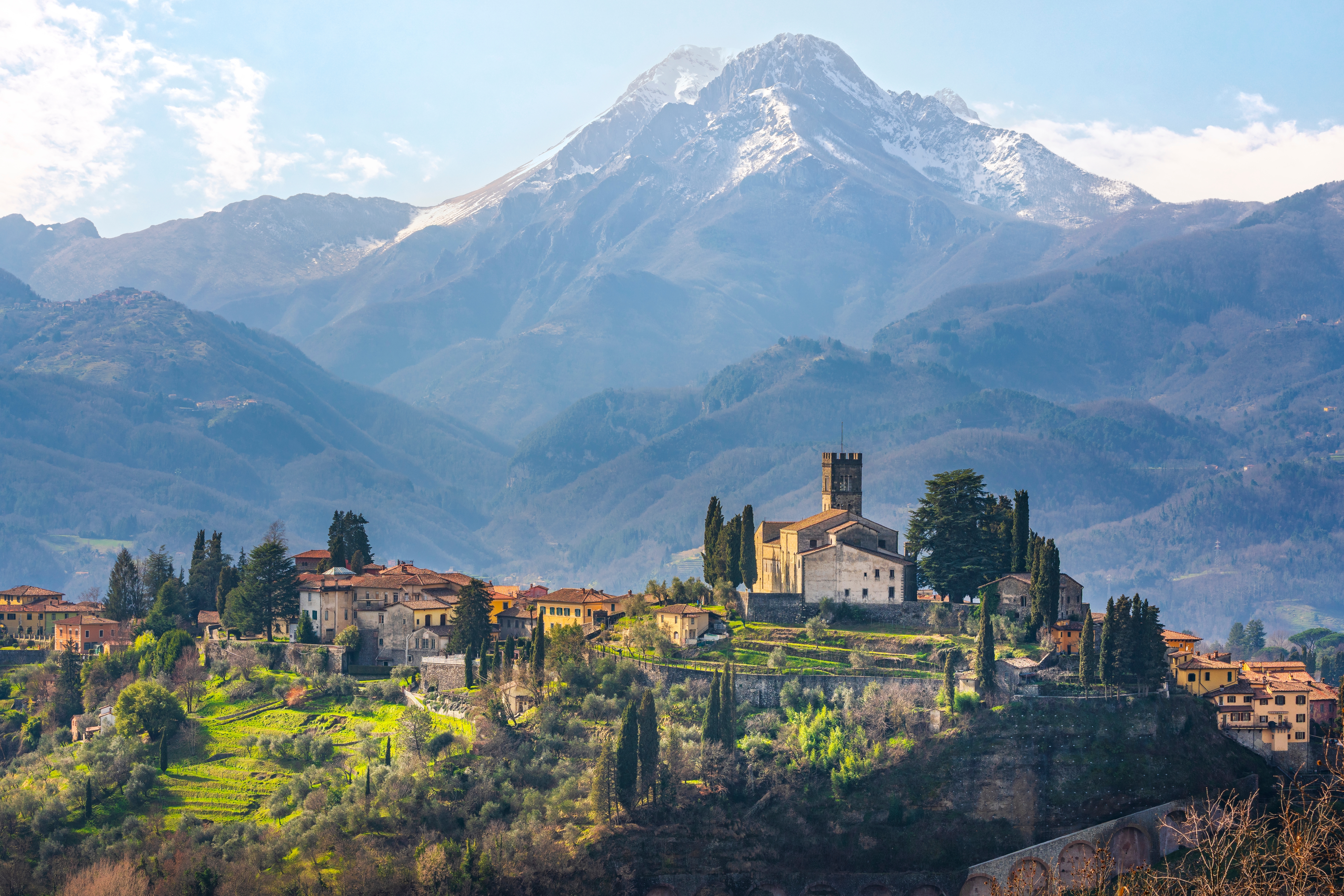 Apuan Alps. Photo: Shutterstock
And for even more interesting experiences, try a Vespa tour, traditional pasta-making class, olive oil tasting, horseback excursion through the countryside, and, of course, the world-famous Leaning Tower of Pisa.
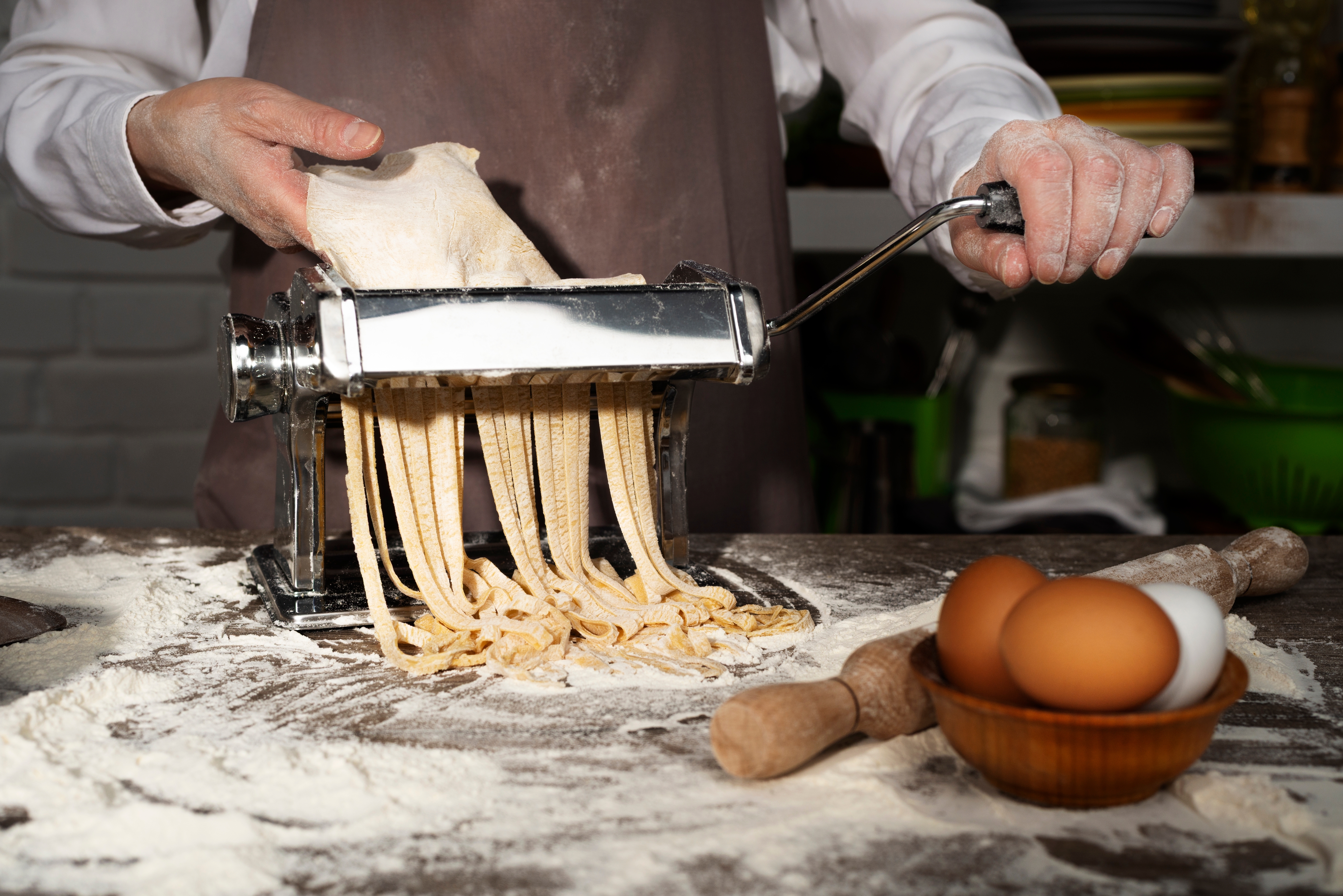 Pasta-making class. Photo:Shutterstock