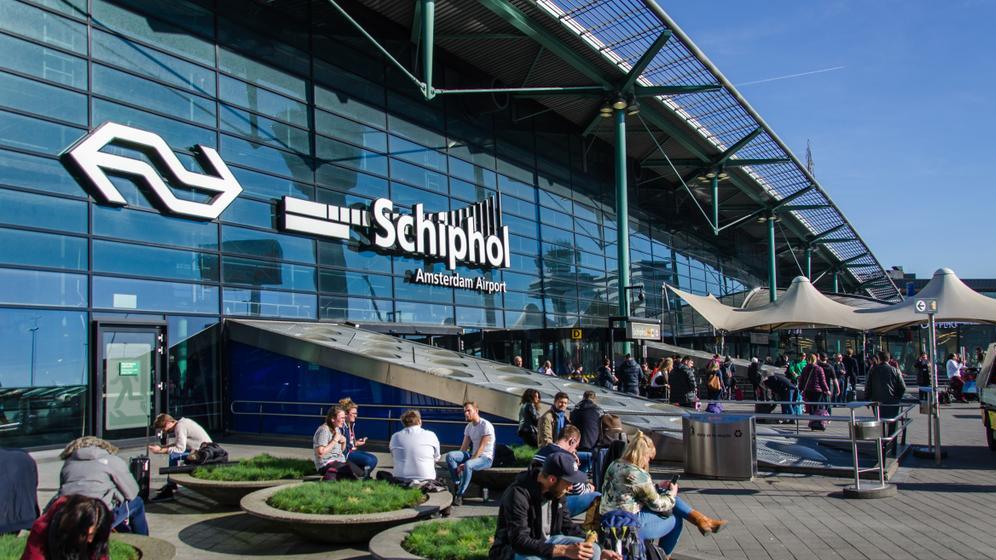
Significant change at Amsterdam Airport Schiphol: a new decree that took effect on November 1 limits airport operations to 478,000 aircraft movements per year, reduces permitted night flights, and tightens noise controls. Airport management describes the move as an important milestone after years of regulatory uncertainty.
According to a statement issued by Schiphol management yesterday, the new rules mark a significant milestone after 18 years without a completed update to the airport's operational framework, especially after years of legal uncertainty over flight quotas, noise levels, emissions, and runway use.
The new decree establishes binding rules for airlines and airport operators, aiming to balance the needs of international aviation with its impact on residents living in surrounding communities.
Fewer Flights and Stricter Restrictions at Night
One of the main changes is the introduction of an annual limit of up to 478,000 aircraft movements, including both takeoffs and landings.
For comparison, before the COVID-19 pandemic, Schiphol recorded approximately 500,000 aircraft movements annually.
This means the new ceiling is around 22,000 movements lower than the airport's pre-pandemic level of activity.
At the same time, the decree introduces a limit of up to 27,000 aircraft movements during nighttime hours each year, compared with approximately 32,000 before the pandemic.
This represents a substantial reduction in the permitted framework for nighttime operations, an issue that has been at the center of disputes between airport management, airlines, authorities, and local residents for years.
Tighter Controls on Aircraft Noise
The new decree goes beyond limiting the number of flights, also regulating noise monitoring, the use of takeoff and landing runways, and the airport's operating procedures.
According to Schiphol, the framework includes targets to reduce noise disturbance by 20% during daytime hours and 15% at night, as part of a policy aimed at limiting the impact of aviation activity on local communities.
One of the measures involves encouraging airlines to use newer, quieter aircraft, including through higher airport charges for noisier planes.
Airport management notes that more than 40% of aircraft currently operating at Schiphol belong to the newest and quietest generations.
Schiphol CEO: "After Years of Uncertainty"
Pieter van Oord, CEO of the Royal Schiphol Group, welcomed the new decree's entry into force.
He said Schiphol is an internationally important aviation hub for the Netherlands and therefore needs clear rules governing its operations for all stakeholders, including airlines, the government, and local residents.
Van Oord emphasized that the new framework provides a clear legal basis after years of uncertainty and allows the airport to continue developing while gradually reducing its environmental impact.
What Does This Mean for Passengers and Airlines?
Schiphol is a major international hub for flights within Europe and long-haul services, including connecting flights to destinations across the Americas and Asia.
A binding annual cap could affect airlines' ability to add flights and expand operations in the future, particularly as demand for routes and takeoff and landing slots continues to grow.
For passengers, however, the new rules do not mean that existing flights will automatically be canceled. The official announcement does not include a list of routes facing cancellation or instructions for any particular airline to suspend its operations.
Nevertheless, the decision could influence the long-term planning of airlines operating in Amsterdam.
The new decree marks a significant shift in Dutch aviation policy. Instead of continued discussions over possible restrictions, a binding regulatory framework is now in place, defining the operational limits of one of Europe's most important airports.