South Korea is recording a historic achievement in the international tourism industry: the country broke its annual tourist arrivals record on October 27, 2026, with more than two months left until the end of the year.
According to a statement from South Korea's Ministry of Culture, Sports and Tourism, international visitors surpassed the previous record, set in 2025 at 18.94 million tourists.
This is a significant milestone for one of Asia's most prominent tourist countries, which continues to enjoy increased demand for vacations, culture, culinary and shopping.
According to preliminary data, about 18.91 million tourists had arrived in South Korea by October 26. Based on an average arrival rate of about 64,000 visitors per day, the Ministry of Tourism estimated that the annual record would be broken the very next day, on October 27.
 Seoul, the capital of South Korea. Photo: Shutterstock
The new data suggests that the boom in South Korean tourism is not just about the number of visitors.
In the first nine months of 2026, 17.11 million international tourists arrived in the country, up 21.5% from 14.08 million in the same period last year.
In September alone, approximately 2.06 million visitors were recorded, up 21.1% from September 2025.
However, one of the most impressive figures concerns tourist spending.
According to the Ministry of Culture and Tourism, foreign visitors' credit card spending in tourism-related areas totaled about 15.845 trillion South Korean won in January-September, compared to about 10.794 trillion won in the same period last year.
This is a jump of 46.8%, a growth rate significantly higher than the increase in the number of visitors.
This figure reflects a significant expansion of economic activity in the tourism and hospitality industries. However, this refers to credit card spending in tourism-related areas, and not the country's tourism revenue in general.
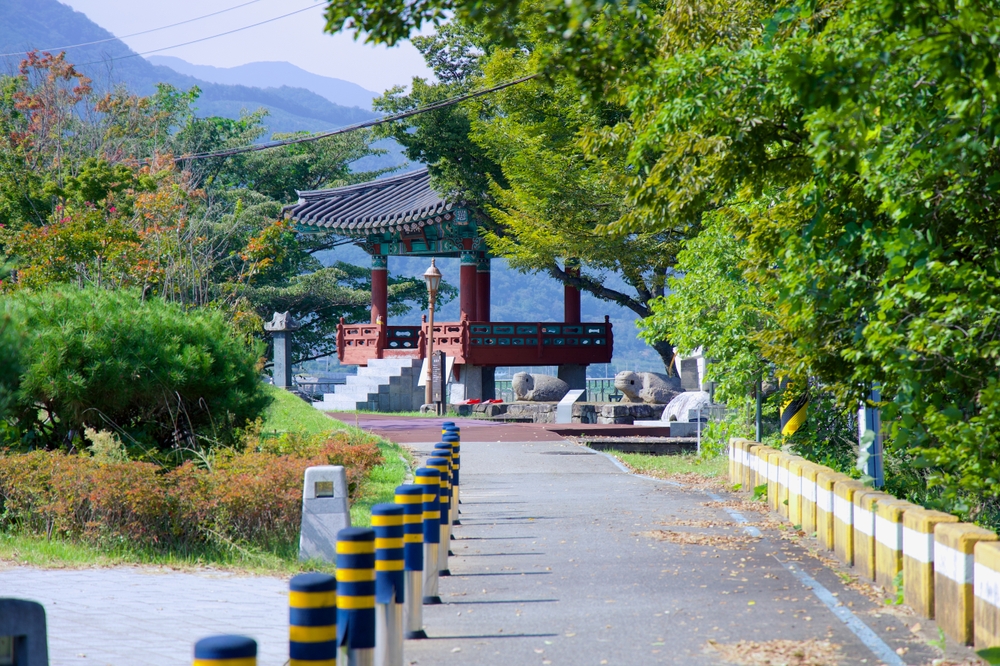 Gwangyang, South Korea. Photo: Korea by Bike / Shutterstock.com
Tourists Are No Longer Content With Just Seoul
One of the key trends in the report is the increase in visitor traffic through South Korea's regional gateways.
In the first nine months of the year, approximately 3.24 million tourists entered the country through airports outside the Seoul metropolitan area, up 37.4% from the same period in 2025.
In addition, about 1.58 million visitors entered through regional seaports, up 14.5%.
Overall, arrivals through regional airports and seaports accounted for 28.2% of all international tourist arrivals to the country during this period.
Prominent regional gateways include the airports of Busan, Jeju Island, Cheongju, and Daegu, along with seaports in Busan, Jeju, and other destinations.
For the South Korean government, developing tourism outside the capital is a key goal for the industry's continued growth.
The goal is to expand tourism's economic benefits to other parts of the country and attract visitors to cities, beaches, natural sites, and cultural centers outside Seoul.
 Korean culture continues to attract tourists from all over the world. Photo: JuliaDorian / Shutterstock.com
Korean Culture Continues to Attract Tourists From All Over the World
The tourism industry is growing in parallel with the expansion of South Korean culture's international influence.
K-pop music, television series, cinema, fashion, cosmetics, and Korean cuisine continue to attract attention worldwide and strengthen awareness of the country as a tourist destination.
Alongside Seoul, which offers a combination of shopping centers, markets, historic palaces and nightlife, South Korea is also promoting other destinations, including Busan, Jeju Island and the country's mountainous regions.
This trend is part of the government's efforts to expand the supply of tourism products and improve visitor accessibility to regional destinations.
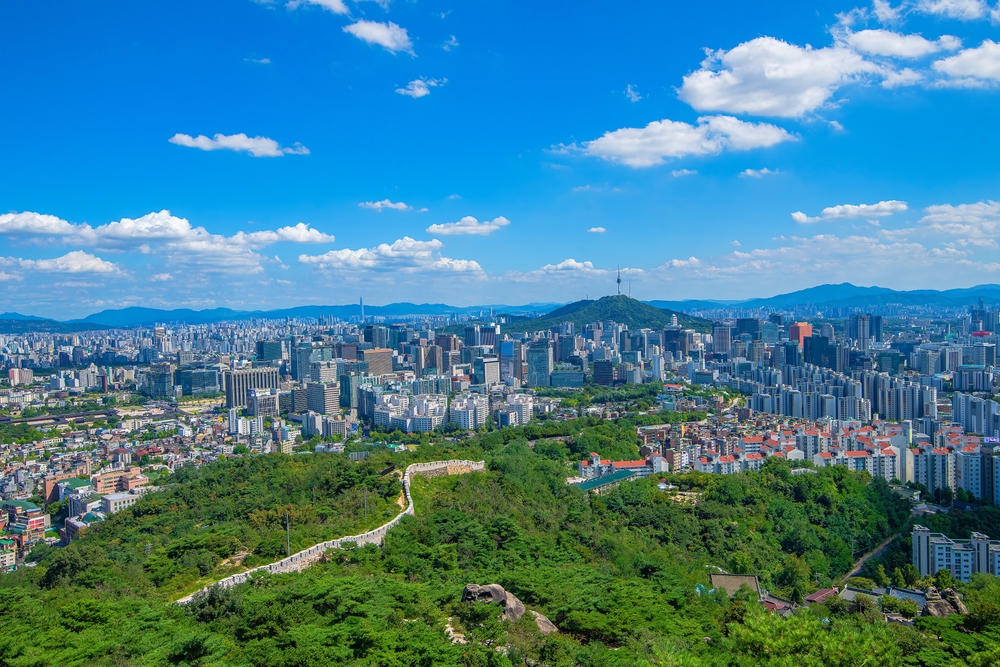 Seoul, South Korea. Photo: Shutterstock
Next destination: 20 million tourists already in November
After breaking the annual record, South Korea is approaching another milestone: crossing the 20 million international visitors mark in a single year.
According to government estimates, and assuming the rate of arrivals continues, the country may reach the target during November 2026.
The Ministry of Culture and Tourism is already preparing for continued growth, with plans to expand regional tourism, develop new products, and strengthen South Korea's position in the international tourism market.
Government publications even presented an ambitious goal of reaching approximately 23 million tourists by the end of 2026, if the growth trend continues.
However, these are projections and targets, not visitor numbers that have already been achieved.
Breaking the record even before November illustrates the boom in tourism in South Korea, and the economic potential inherent in continued growth in demand, visitor spending, and the development of tourist destinations outside the capital.