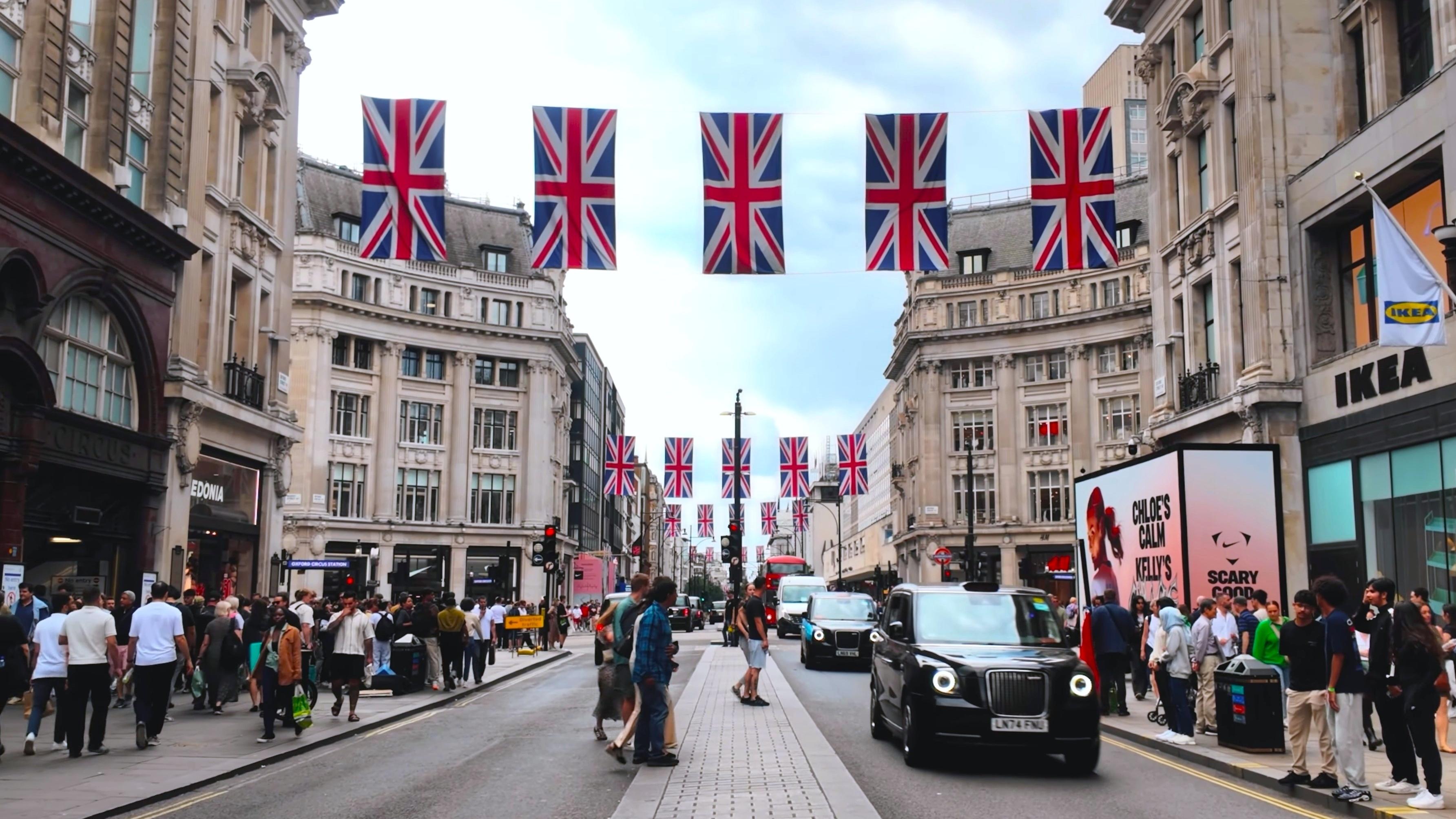
As announced last month, London has permanently pedestrianized almost one kilometer of its famous Oxford Street, a move welcomed by the World Travel & Tourism Council (WTTC) as the city prepares to host global travel industry leaders for World Travel Market (WTM).
The new traffic-free zone comes at a time when the WTTC expects Europe's travel and tourism sector to grow by 3.1% in 2026, up from the 2.6% growth recorded last year. The organization says the forecast reflects the sector's continued performance ahead of the wider economy and highlights the importance of investment in tourism infrastructure.
The Mayor of London delivered the pedestrianization project through the Oxford Street Development Corporation, with support from the UK Government. The changes were completed just days before WTM begins in London (November 3-5), placing the transformation of one of the capital's best-known shopping streets in the spotlight as international tourism leaders gather in the city.
London welcomed an estimated 16.4 million international visitors in 2025, putting it among the world's most visited cities. WTTC believes the Oxford Street project demonstrates how investment in public spaces and the visitor experience can support the wider tourism economy.
Gloria Guevara, President and CEO of WTTC, said London's approach showed the benefits of treating travel and tourism as a strategic priority.
“Transforming Oxford Street, just as the global travel sector arrives in the city, sends a powerful message that London is open, ambitious and investing in every visitor’s experience,” she said.
Guevara also pointed to the sector's employment potential, noting that travel and tourism is expected to generate around one in three of all new jobs worldwide over the next decade. However, she stressed that governments need to support this growth through better connectivity, infrastructure and skills development.
London Mayor Sadiq Khan described the pedestrianization as a major moment for the capital, saying the project would support jobs and economic growth while helping unlock the potential of the West End.
“Revitalizing Oxford Street will boost jobs and economic growth in the capital, unlock the full potential of this key part of the West End, and help build a better, greener and more prosperous London for everyone,” Khan said.
WTTC's latest Economic Impact Research also points to positive prospects for European destinations. International visitor spending across Europe is forecast to increase by 5.8% in 2026, outpacing the projected growth in the overall travel and tourism sector.
Globally, the industry is expected to contribute a record $11.9 trillion to the economy in 2026, equivalent to 9.9% of global GDP. It is also forecast to support 375 million jobs worldwide, or approximately one in every nine jobs.
WTTC is urging governments to follow London's example by investing in transport infrastructure, workforce skills, sustainable destination management and international connectivity. The organization argues that these areas will be essential if destinations want to attract visitors and benefit from the industry's projected growth.