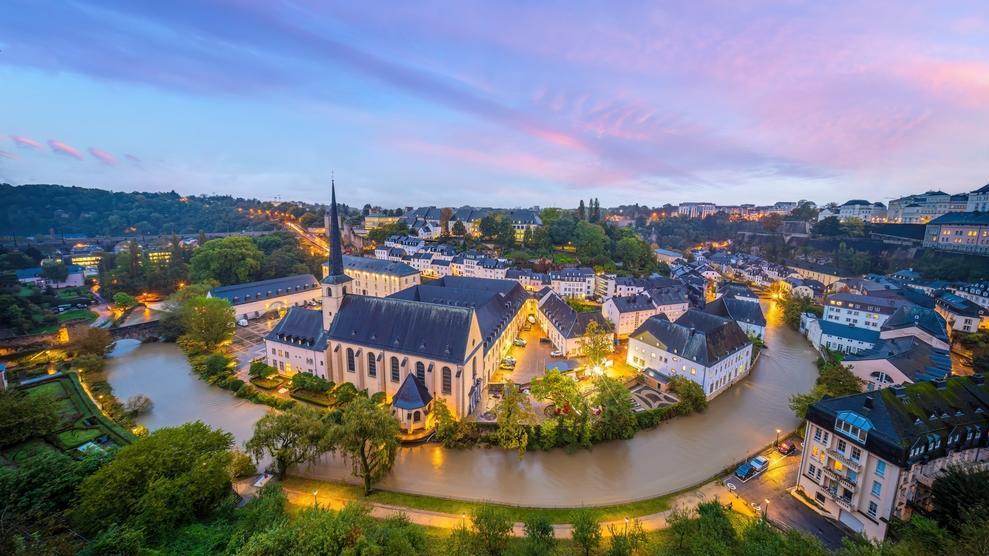
When thinking about a European vacation, Luxembourg might not always be the first country that comes to mind. Paris, Rome, Barcelona, and Amsterdam usually steal the show.
But this small country between Belgium, France, and Germany offers a surprising mix of an ancient city, castles, nature, vineyards, good food, and an elegant European atmosphere.
And its biggest advantage is its size. Luxembourg is one of the smallest countries in Europe, so you can combine a city, nature, towns, and castles in one trip without spending long hours traveling.
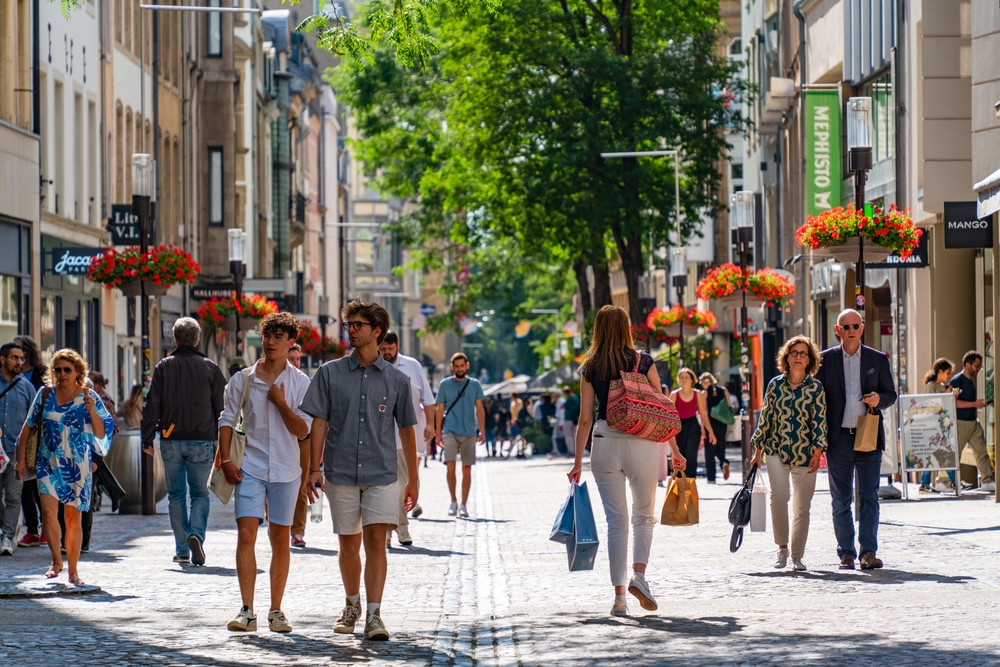 Why Luxembourg should be your next destination. Photo: Shutterstock
The Capital That Looks Like Two Different Cities
The trip almost always starts in Luxembourg City. On the one hand, it is a modern capital with European institutions, office buildings and shopping streets. On the other hand, the old town is built on cliffs and surrounded by dramatic landscapes.
The old city and its fortifications have been declared a UNESCO World Heritage Site, and a tour of the city reveals narrow streets, squares, historic buildings, and impressive viewpoints.
One of the places worth visiting is Chemin de la Corniche, a promenade with views of the valley, the Alsace River, and the old neighborhoods.
From there, you can descend to the Grund area, the picturesque neighborhood at the bottom of the valley. The narrow streets, old houses, cafes, and river create a small-town feel, even though the center is a short distance away.
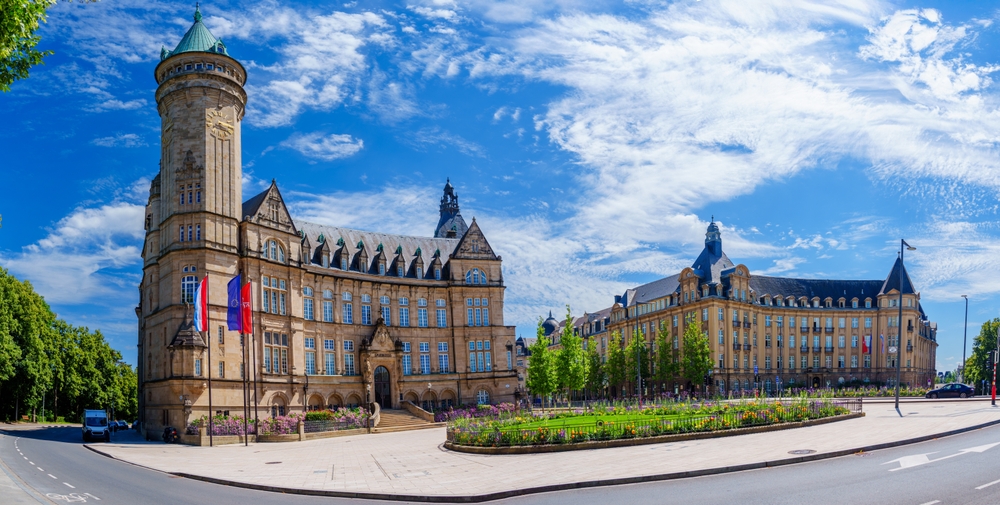 Place d Armes square in Luxembourg. Photo: Shutterstock
A Whole World Is Hidden Beneath the City
One of the interesting attractions in the capital is the Casemates du Bock, a system of tunnels and fortifications carved into the rock and used for centuries to defend the city.
The fortifications are part of Luxembourg's military history, and touring them allows you to get to know another side of the capital, one that lies beneath the beautiful, touristy streets.
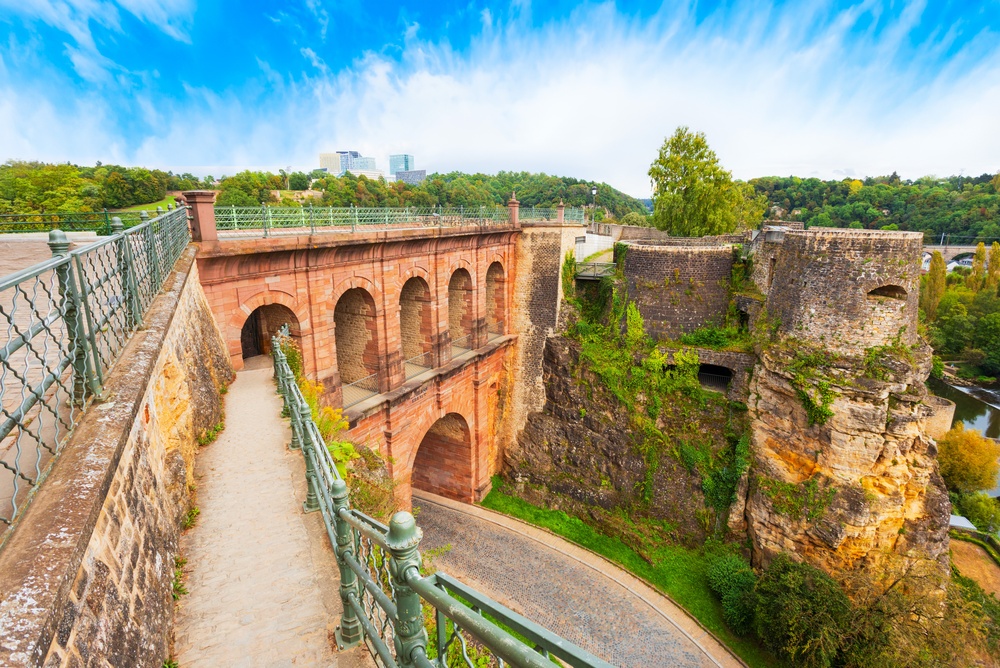 Castle Bridge and Bock Casemates in Luxembourg. Photo: Shutterstock
Then We Go Out Into Nature
Luxembourg is small, but outside the capital a completely green world awaits.
Known as the "Little Switzerland of Luxembourg," the Mullerthal region is one reason to visit the country. The area offers forests, rock formations, gorges, hiking trails, and bridges.
The Mullerthal Trail passes through dramatic forests and rocks, and has routes of varying difficulty levels. Even those who don't come specifically for trekking can find a route here that's suitable for a few hours.
And that's perhaps one of Luxembourg's greatest advantages: you don't have to choose between a city vacation and a nature vacation. You can start the day in an old town and end it in the middle of a forest.
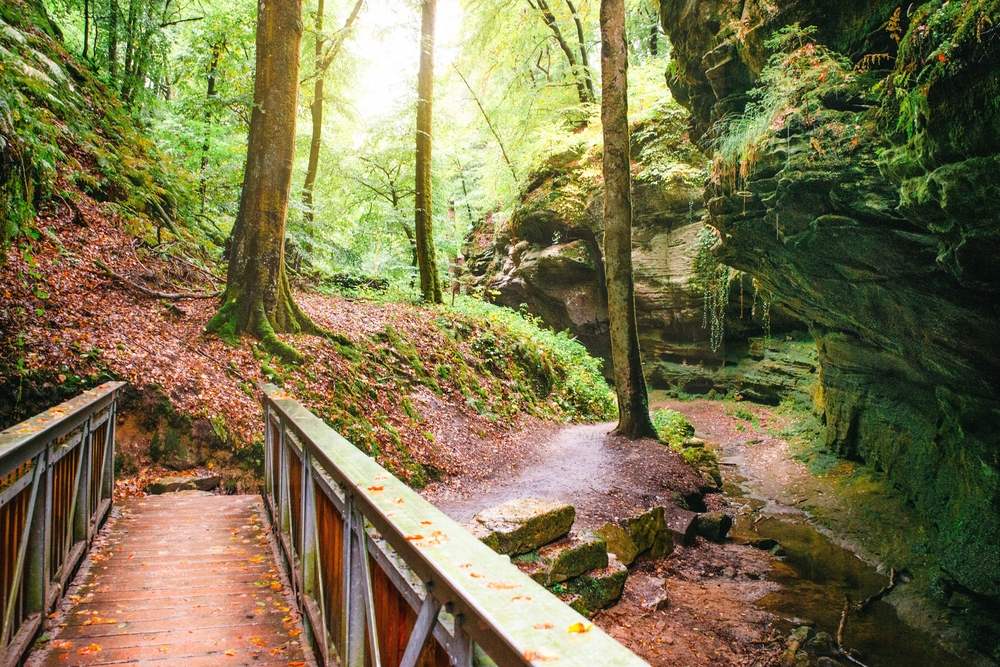 Mullerthal Trail. Photo: Shutterstock
Medieval Castles
Luxembourg is also a great destination for castle lovers. One of the most famous is Vianden Castle, located in the north of the country above the town of Vianden. The castle, which dates back to the Middle Ages, has become one of the country's most recognizable tourist attractions.
The town itself is also worth a visit, with its streets, ancient houses, and castle views creating a particularly period atmosphere.
Another castle is Beaufort Castle in the Mullerthal region, where you can combine history with the area's natural landscapes.
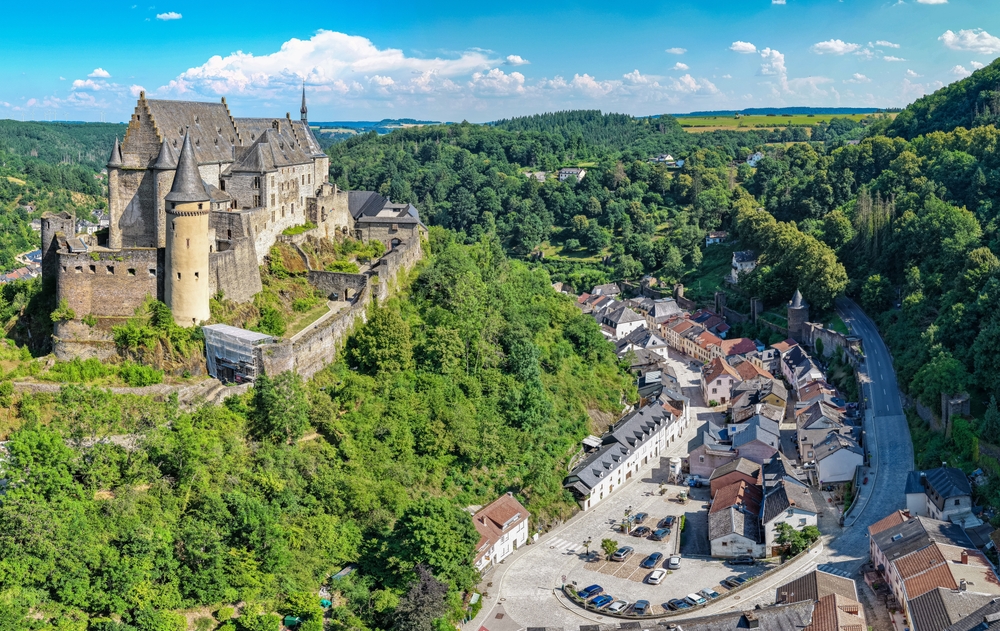 Vianden Castle. Photo: Shutterstock
A Small and Photogenic Village
Esch-sur-Sûre is one of the most photogenic places in the country. The small village sits along the Sur River and is surrounded by forested hills.
Above it stand the remains of an ancient castle, and from the high points, you can see the houses, the river, and the valley.
The schedule here is simple: walk around, go up to the observation deck, then sit in a cafe and enjoy the view.
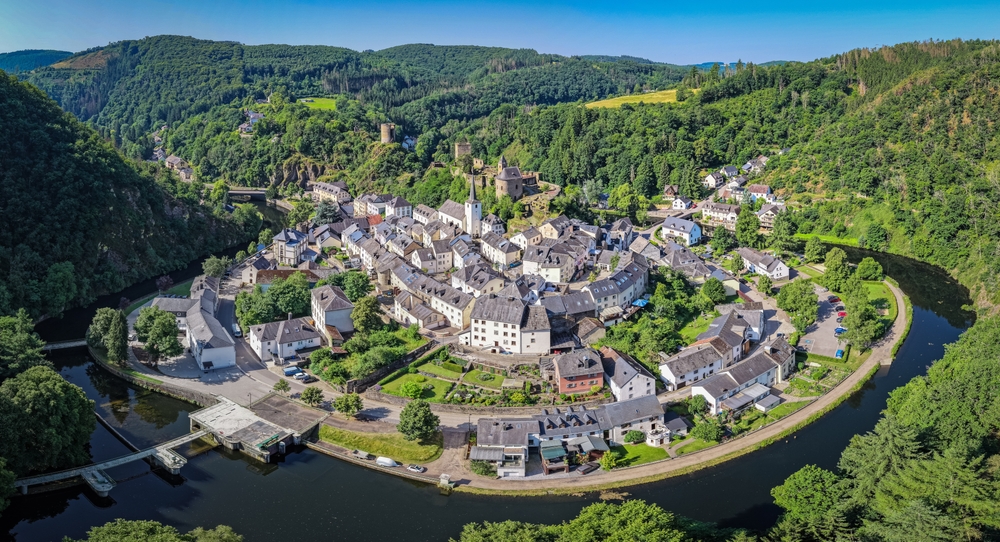 The village of Esch-sur-Sûre in Luxembourg. Photo: Shutterstock
Moselle Region: Vineyards, River and Wine
In the east of Luxembourg, the Moselle River runs through it, separating it from Germany. This is a region of vineyards, small towns and a more relaxed atmosphere.
The area is known for its local wine industry, especially its white wines. You can combine a visit to the wineries, a trip along the river and a stop in towns like Remich.
For those looking for a more relaxed day during their trip, this can be one of the most successful areas in the country.
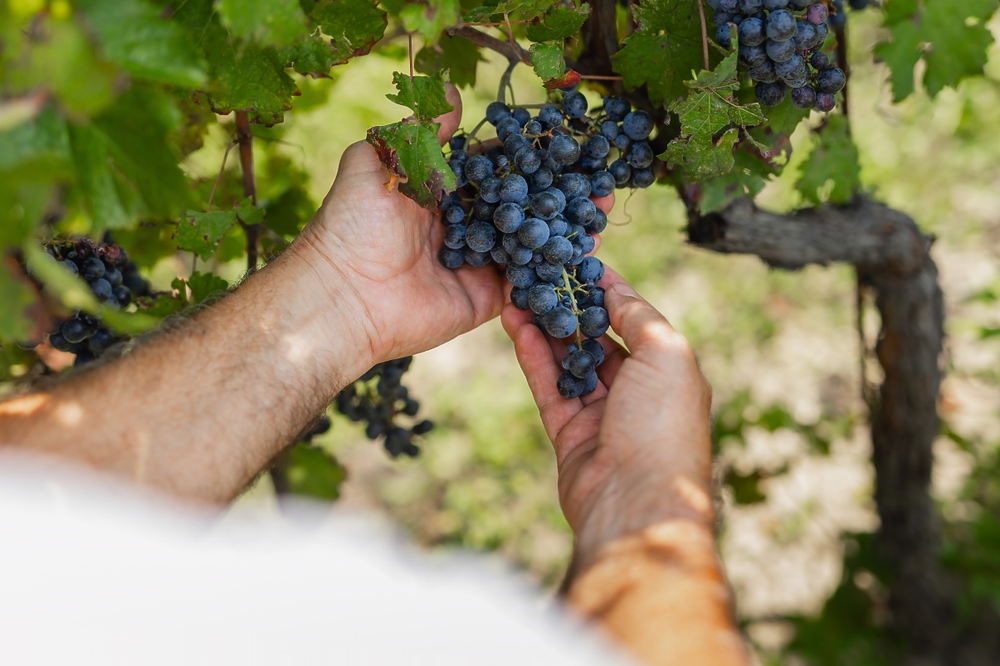 Harvest season. Photo: Shutterstock
It Is Also Recommended for Swimming
The European Commission and the European Environment Agency's annual bathing water report found that bathing water quality across Europe remains high. The report, which was based on data from the 2025 bathing season, examined more than 22,200 bathing sites.
According to the data, 85% of the bathing sites inspected met the strictest standard and received an "excellent" rating, while 96% met at least the minimum quality requirements.
Luxembourg ranked fifth among the countries tested, with 94.1% of bathing sites receiving an excellent water quality rating. Unlike Cyprus and Greece, which led the ranking with seawater, Luxembourg's bathing sites are mainly lakes.
By the way, those dreaming of the clearest water in Europe will be disappointed: Cyprus ranked first, with 100% of the bathing sites tested rated "excellent", followed by Greece with 97.1% and Bulgaria with 96.9%.
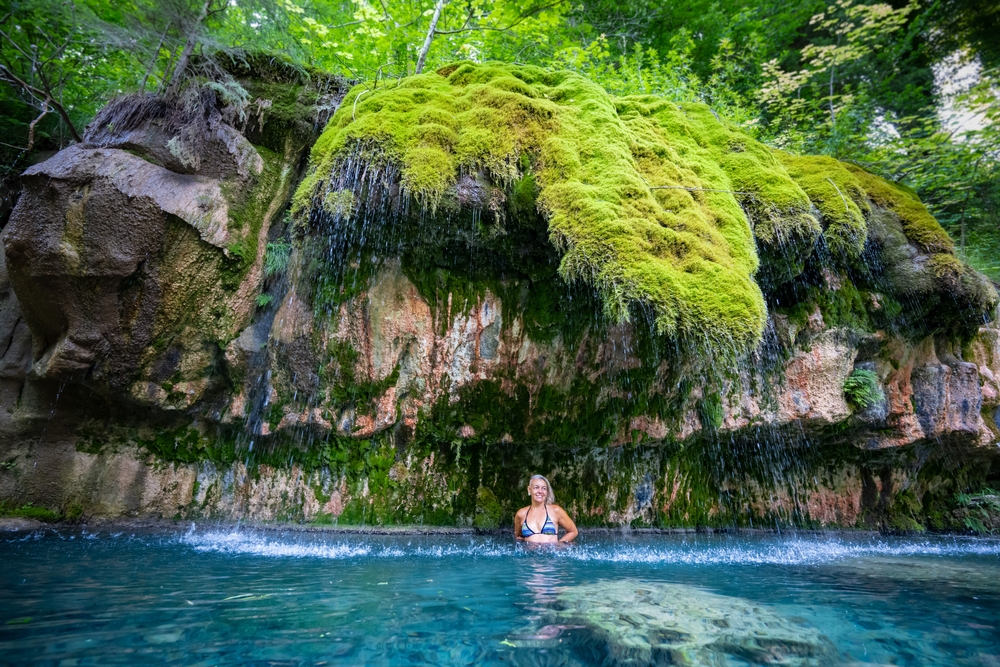 You can also swim on the Mullerthal Trail. Photo: Shutterstock
Not Just for Traveling: Luxembourg Is Also Popular for Living
And if all this isn't enough to make you look at her a little differently, there's another interesting fact.
In the Henley & Partners Global Residence Program 2026 ranking, Luxembourg came in fourth place on the list of most sought-after countries to live in, along with the UK. Greece came in first place, followed by Italy, Switzerland, and the United Arab Emirates.
The ranking examines, among other things, quality of life, international status, taxation, requirements for obtaining a residence visa, the length of the procedure, and the possibility of bringing family members.
This means that this small country not only attracts tourists; it is also seen as an attractive destination for those looking for a place to live.
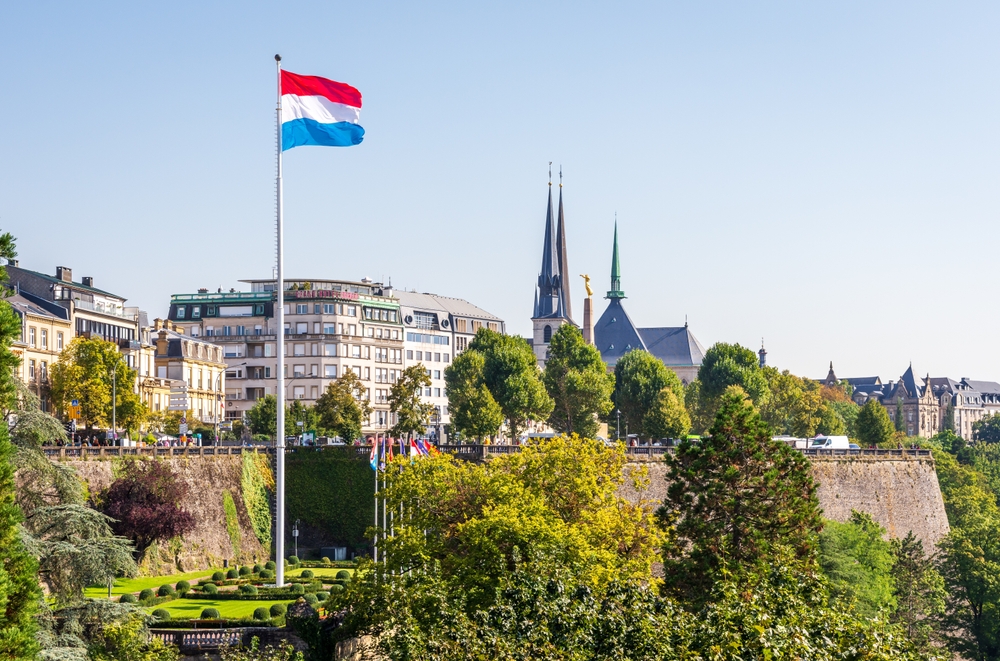 Luxembourg City. Photo: Shutterstock
And What Do You Eat Here?
The local cuisine is influenced by neighboring countries, so you can find French, German, and Belgian influences.
One of the dishes identified with the country is Bouneschlupp, a thick green bean soup with potatoes and vegetables, and sometimes meat.
Alongside local food, the capital offers a very diverse restaurant scene, from cafes and bakeries to high-end restaurants.
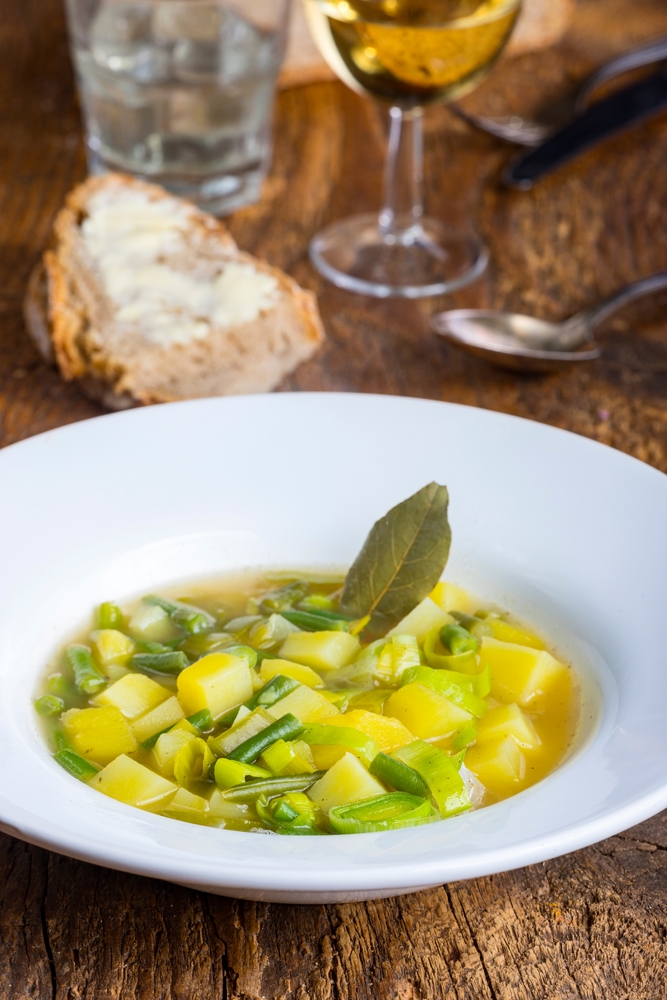 Bouneschlupp soup. Photo: Shutterstock
How Much Does It Cost and How Do You Get Around?
Luxembourg is a wealthy country, and accordingly prices in the capital, especially in hotels and restaurants, may be relatively high.
On the other hand, tourists have a significant advantage: public transport in the country is free. Buses, trams and trains are available without the need to purchase a ticket, with the exception of first class on trains.
Therefore, it is certainly possible to travel in Luxembourg without a car, especially if you plan your route correctly. Those who want to reach more remote villages and natural sites may prefer a rental car.
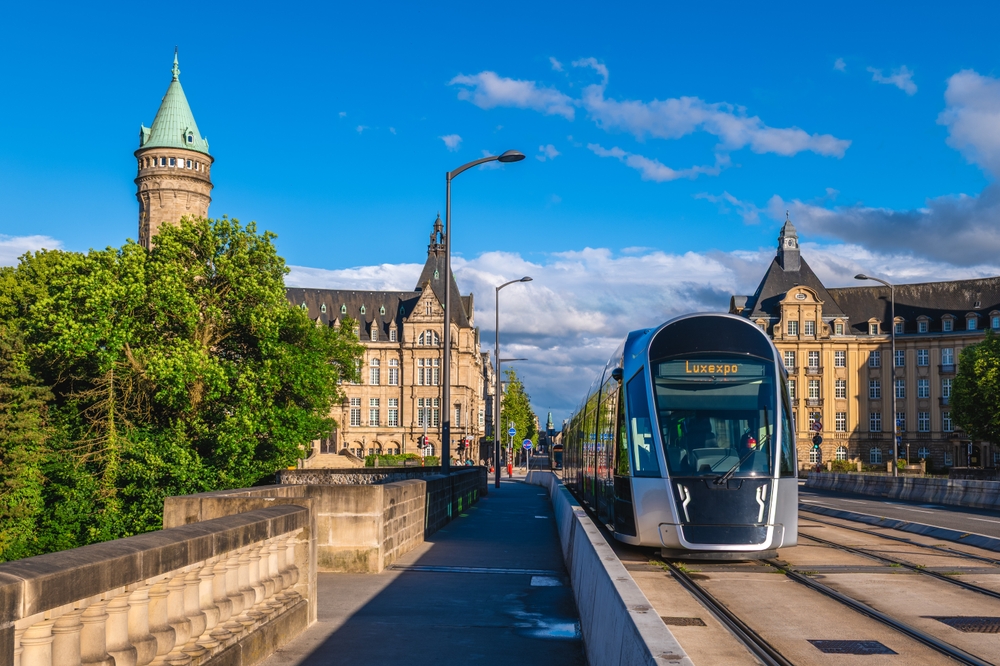 Public transport in Luxembourg is free. Photo: Shutterstock
How Many Days Do You Need?
Luxembourg is very suitable for a 3-5 day vacation.
In three days you can combine the capital, Vianden Castle, and the Mullerthal region.
In five days, you can add the Moselle region, small towns, more castles, and more time for nature walks.
You can also combine it as part of a larger trip to Western Europe, thanks to its proximity to Belgium, France, and Germany, and spend a few hours in the capital.
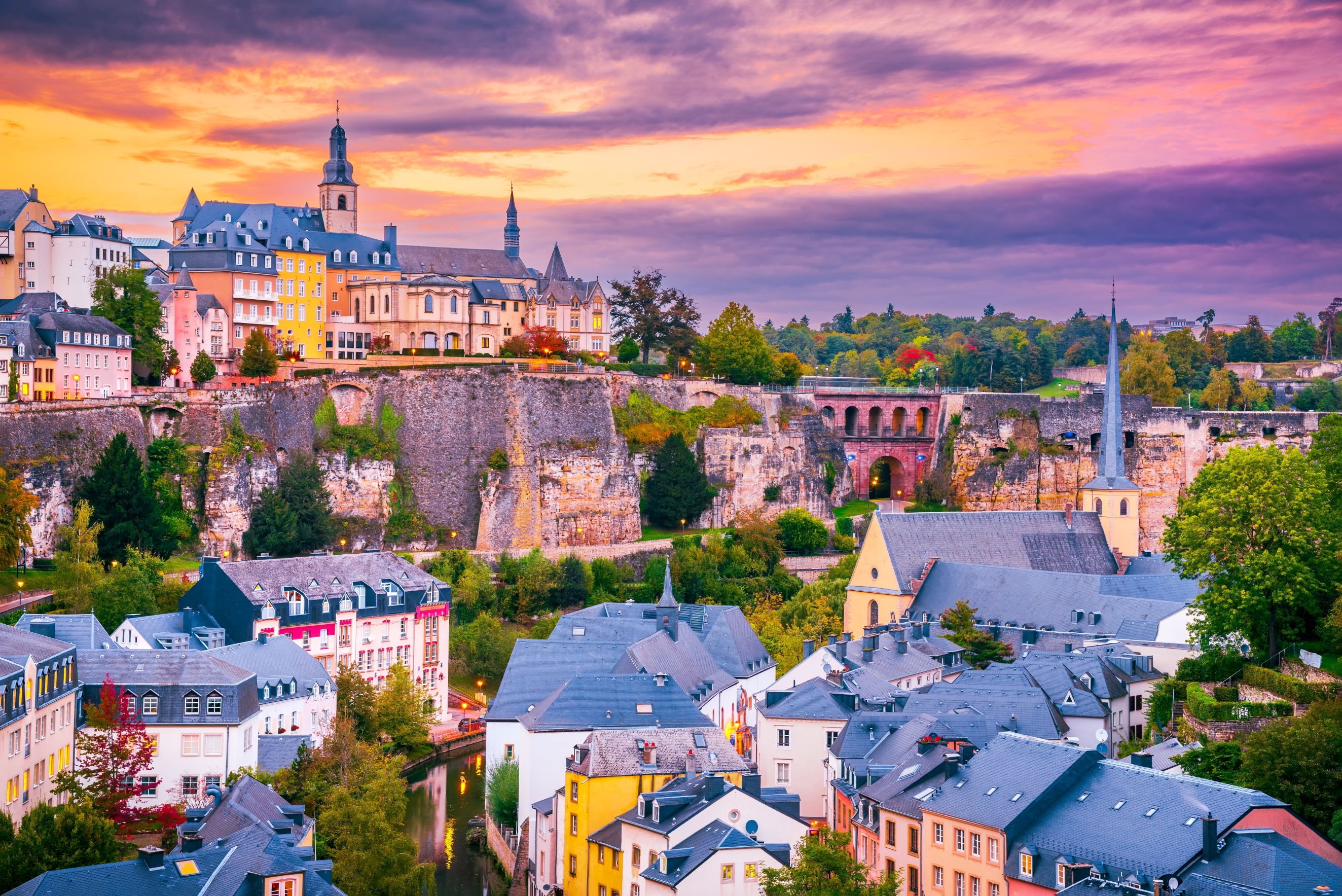 Luxembourg. Photo: Shutterstock
It doesn't try to be Paris, Rome or Barcelona. Instead, it offers something different: a small country where you can quickly move between an ancient city, a medieval castle, a forest, vineyards and a village that seems to have remained outside of time.
It is suitable for couples, families, nature lovers, history buffs, and especially for those looking for a slightly less predictable European destination.