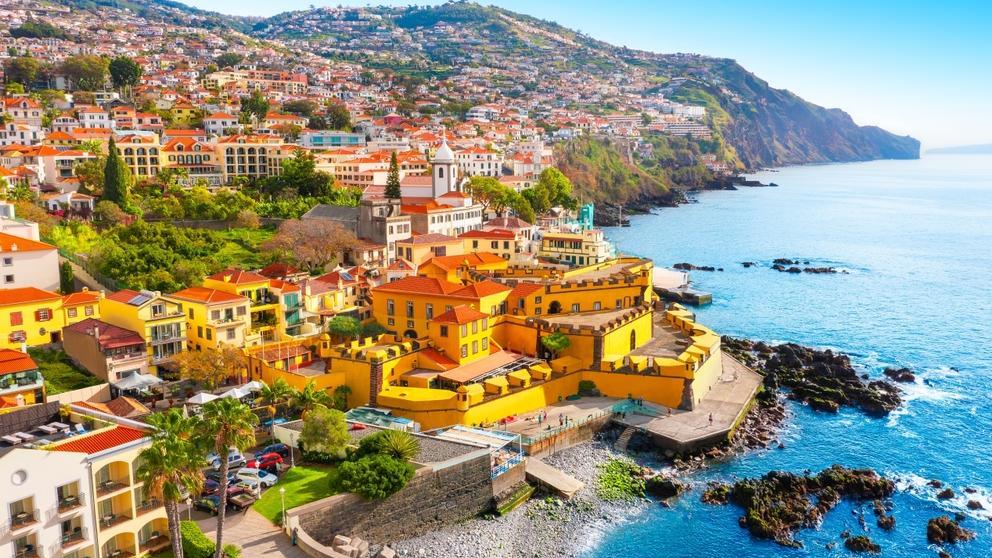
When you think of a European vacation, you usually think of historic cities, Mediterranean beaches, or Alpine landscapes. But hidden in the heart of the Atlantic Ocean is an island that offers a completely different picture, with views that are reminiscent of far-flung tropical destinations.
This is the island of Madeira, which belongs to Portugal and is located west of the coast of Morocco, about an hour and a half flight from Lisbon. It is no coincidence that the island has been nicknamed the “Hawaii of Europe”: its volcanic origin, rich subtropical vegetation and steep cliffs that slope down to the ocean create a landscape that is difficult to associate with classical Europe.
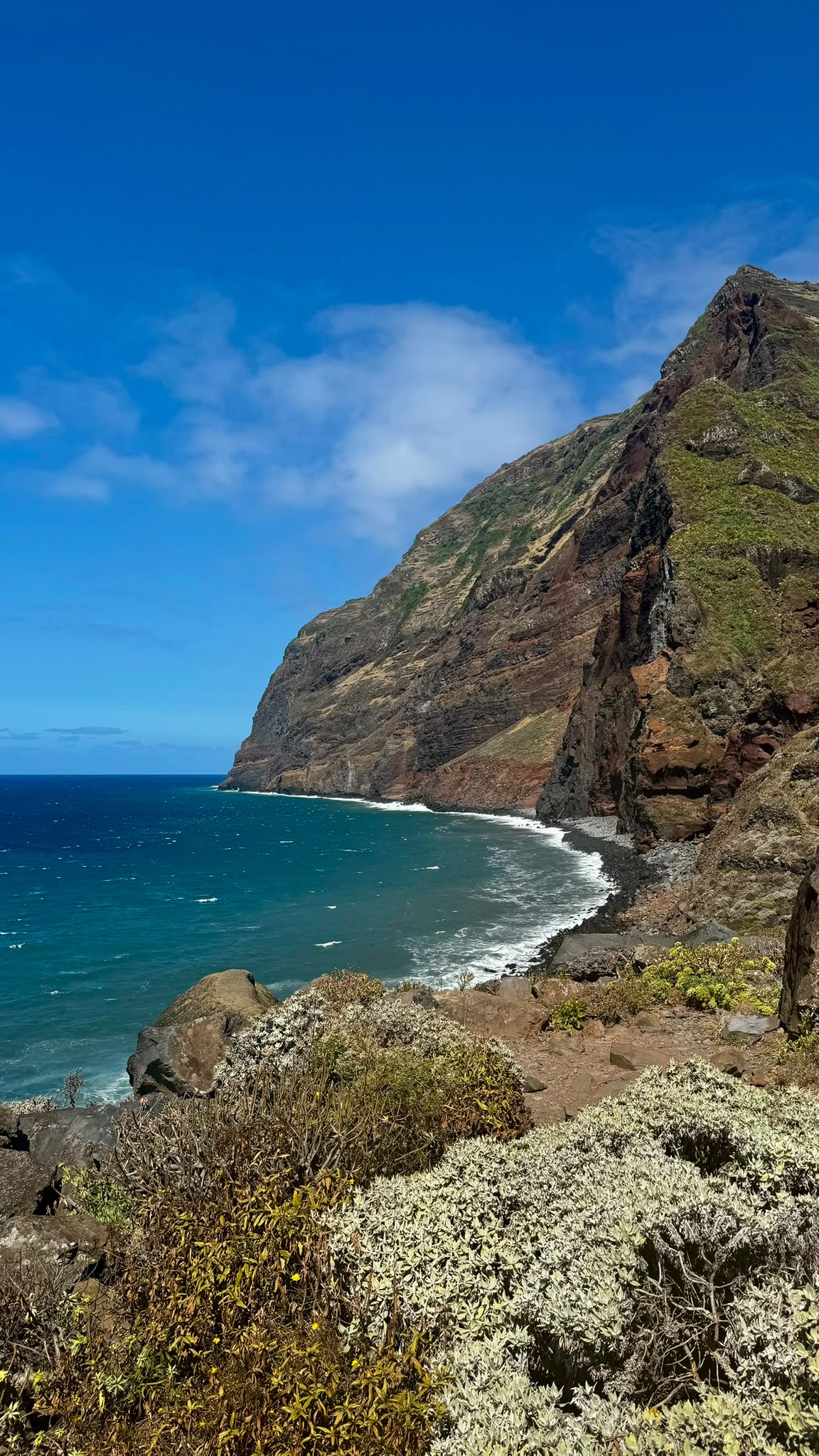 Madeira. Photo: Tamar Abergel
One of Madeira's most striking features is the sheer variety of landscapes in a relatively small area. Within a short drive, you can go from a sunny stretch of coastline to cloud-covered mountain peaks, to ancient forests and picturesque towns. This combination makes the island a destination suitable for nature and adventure lovers, but also for those looking for a relaxing vacation by the ocean.
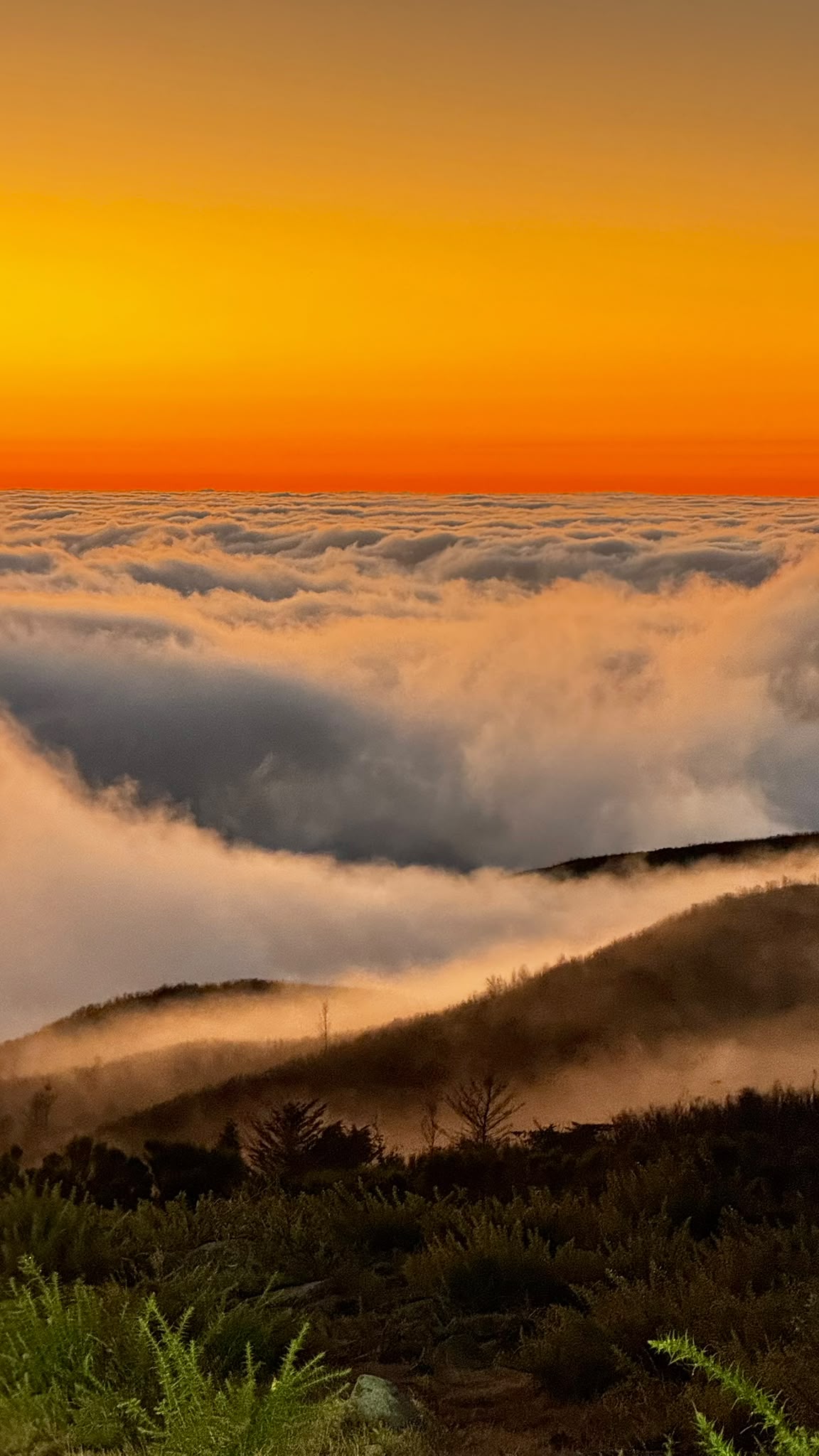 Above the clouds - the dramatic peaks of Madeira. Photo: Tamar Abergel
Above the Clouds: the Dramatic Peaks of Madeira
One of the sights most identified with Madeira is the mountain range in the center of the island, where pointed peaks rise to a height of almost 2,000 meters above sea level.
Under suitable weather conditions, a spectacular phenomenon known as “cloud gliding” occurs here, when a dense layer of clouds covers the valleys and the high peaks protrude above it.
The area offers spectacular hiking trails, and roads that pass between narrow ridges, steps carved into the rock, and overlooks of deep valleys.
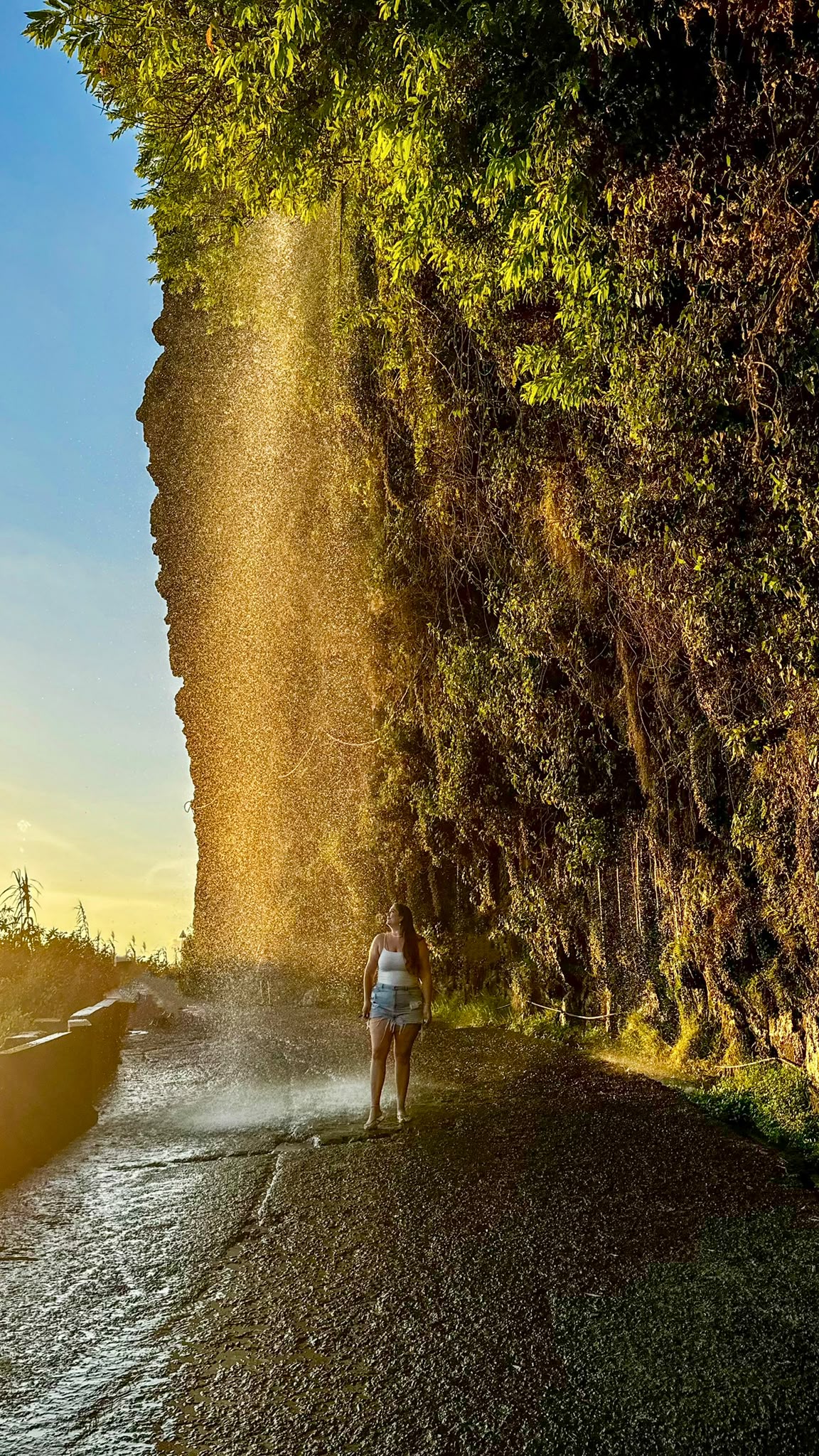 Angel Falls in the middle of the road. Photo: Tamar Abergel
Mysterious Forests, Waterfalls and Hiking Trails
Alongside the exposed peaks, Madeira is characterized by dense green vegetation, ancient forests and hiking trails that pass between waterfalls and streams. One of the island's special places is the Panal Forest in northwest Madeira.
The forest is famous for its centuries-old trees with thick, twisted trunks, scattered among green grass. When mist covers the area, it takes on a mysterious appearance reminiscent of a fairy-tale setting. Panal is part of the Laurisilva Forest, an ancient subtropical laurel forest that has been recognized as a UNESCO World Heritage Site.
Another attraction that characterizes the island is the hiking trails, which run alongside historic irrigation canals. The trails lead through dense forests, tunnels, waterfalls and natural pools. Among the well-known trails are the 25 springs and the Caldeirao Verde, which offer walks through rich vegetation to impressive waterfalls.
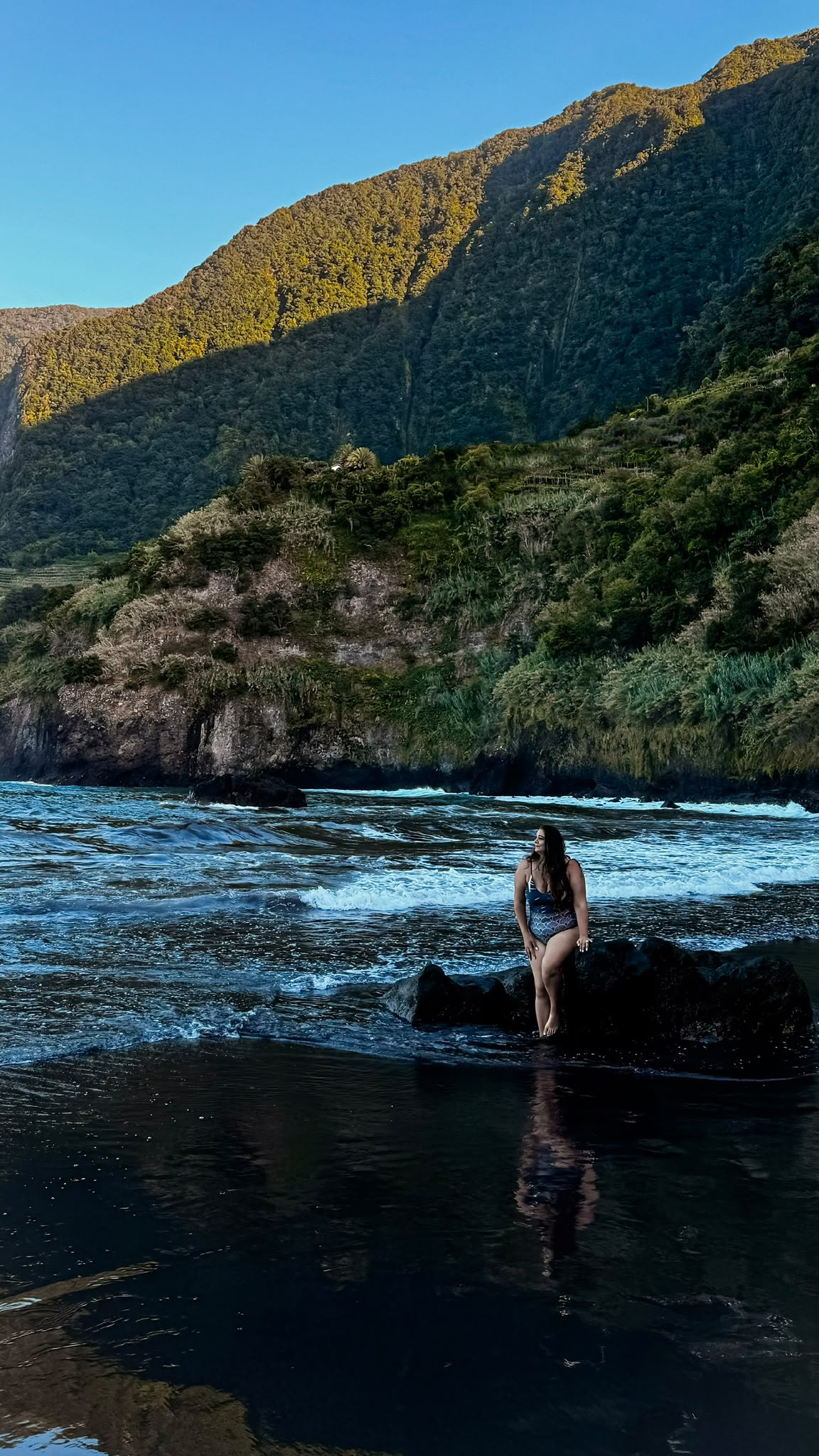 Black Beach Seychelles. Photo: Tamar Abergel
Black Beaches, Volcanic Pools and Picturesque Towns
Although Madeira is not a classic white-sand beach destination, its coastline is one of the island's most beautiful features. Green cliffs that descend into the ocean, volcanic rocks, and small coves create a landscape unlike the familiar Mediterranean coast.
One of the most prominent beaches is Seychelle, in the north of the island, famous for its black sand and the green cliffs that surround it. The beach has become one of the most photographed places in Madeira thanks to the contrast between the dark sand, blue ocean and mountains.
About a 15-minute drive away is the town of Porto Moniz, known for its natural pools formed from cooled lava rocks. The pools are filled with ocean water and allow swimming among volcanic rock formations, depending on sea conditions.
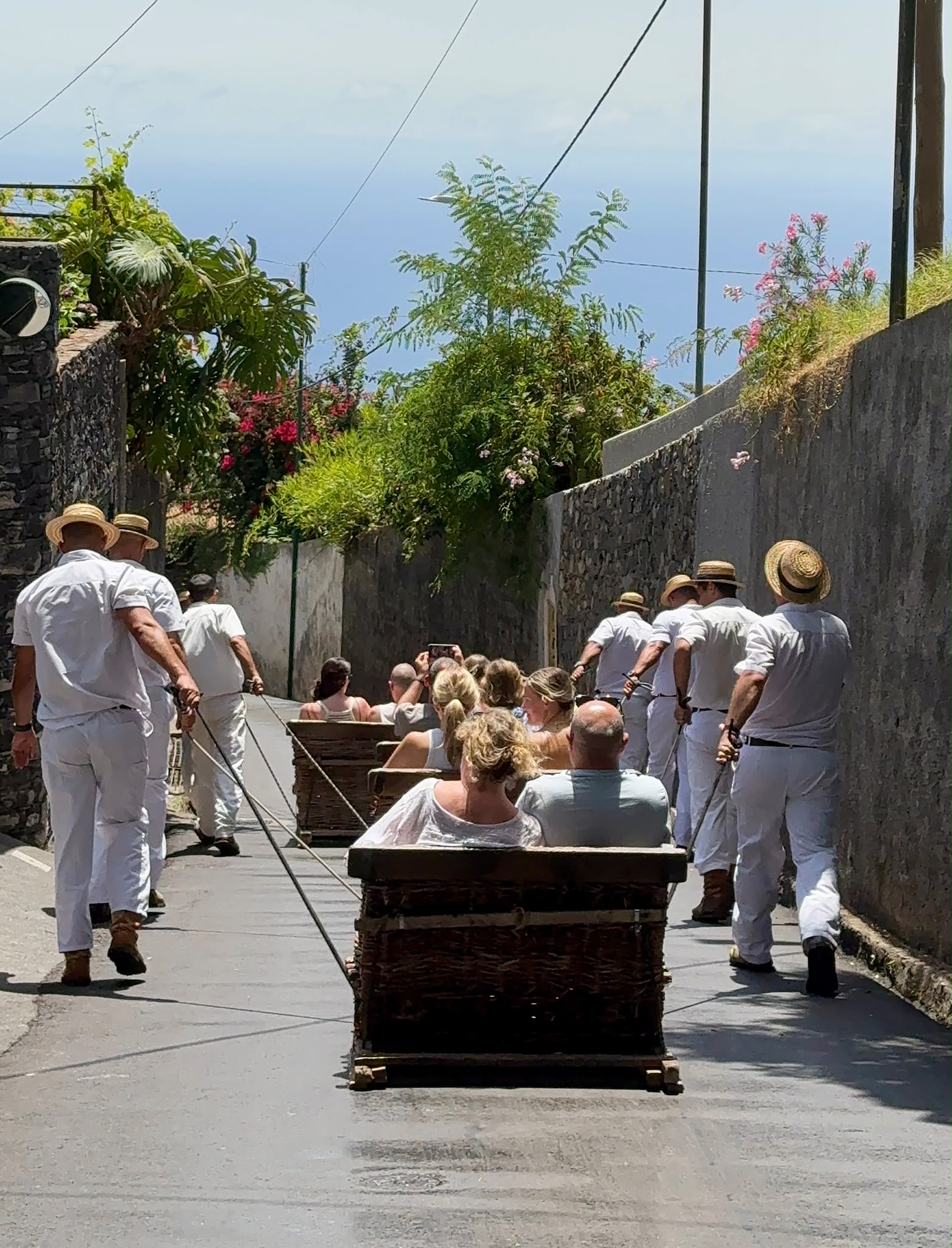 Throughout the capital city of Funchal. Photo: Tamar Abergel
Funchal and the Towns: From Fishing Villages to Cristiano Ronaldo
The island's capital, Funchal, is the urban and tourist center of Madeira. The city has a historic center, markets, restaurants, a promenade along the ocean, and a cable car leading to the Monte neighborhood, which offers views of the city and the bay.
Funchal is also the birthplace of Cristiano Ronaldo, one of the world's most famous footballers. In 2017, Madeira International Airport was named after him, and the city is home to the CR7 Museum, dedicated to his career and displaying trophies, awards and memorabilia.
Madeira is also known as the “Island of Flowers”, thanks to its subtropical climate that allows a wide variety of plants to thrive throughout the year. In many areas, you can see colorful blooms, from bougainvillea and hydrangeas to birds of paradise and other exotic plants. In spring, the island is especially colorful, and in May the traditional Flower Festival takes place.
But Madeira's nature doesn't end on land. The deep waters surrounding the island are home to various species of dolphins and whales, and boat tours depart throughout the year to view them in their natural habitat.
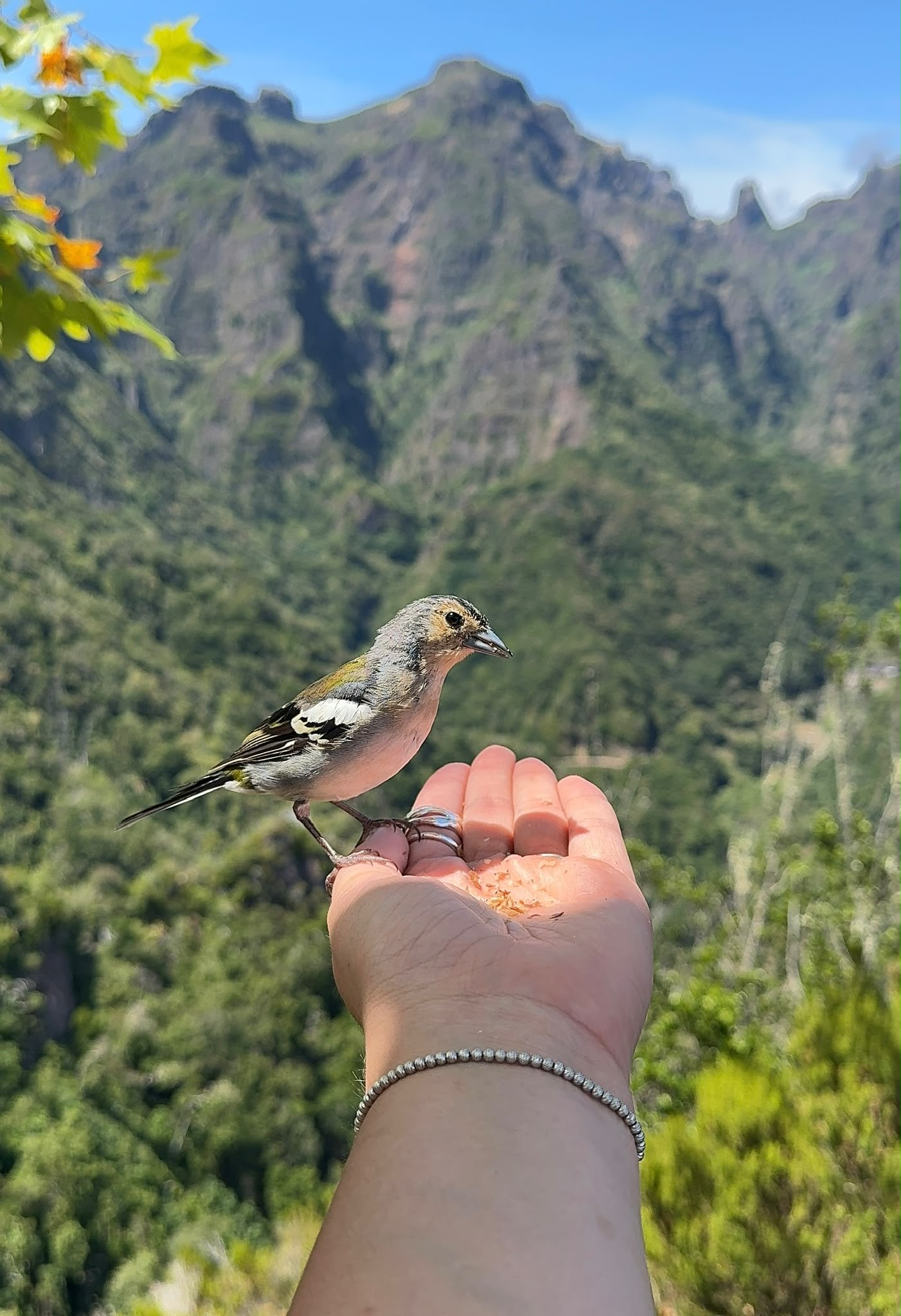 And there are also birds. Photo: Tamar Abergel
When Should You Arrive and How Many Days Should You Dedicate to Madeira?
One of Madeira's significant advantages is its pleasant weather. The island enjoys a mild subtropical climate, with pleasant temperatures throughout most of the year, making it suitable for travel even outside the European summer season.
Spring is especially suitable for those who want to enjoy the blossoms, while summer and early autumn let you combine nature walks with swimming in the sea.
You can also visit the island in winter, although the weather can be rainy and more volatile, especially in the mountains. Due to the topography, it is not uncommon to find sunshine on the south coast while fog and winds prevail on the peaks.
It is recommended to dedicate between seven and ten days to a trip to Madeira, which will allow you to combine hiking trails, lookouts, beaches, towns, and ocean sailing without rushing from place to place.
The most convenient way to travel around the island is by rental car, and one of the advantages is the possibility of planning a star trip: base yourself in Funchal or one of the coastal towns in the south of the island, and go out to a different area every day, without having to change hotels frequently. However, the mountainous, winding roads can make some trips longer than they look on the map.
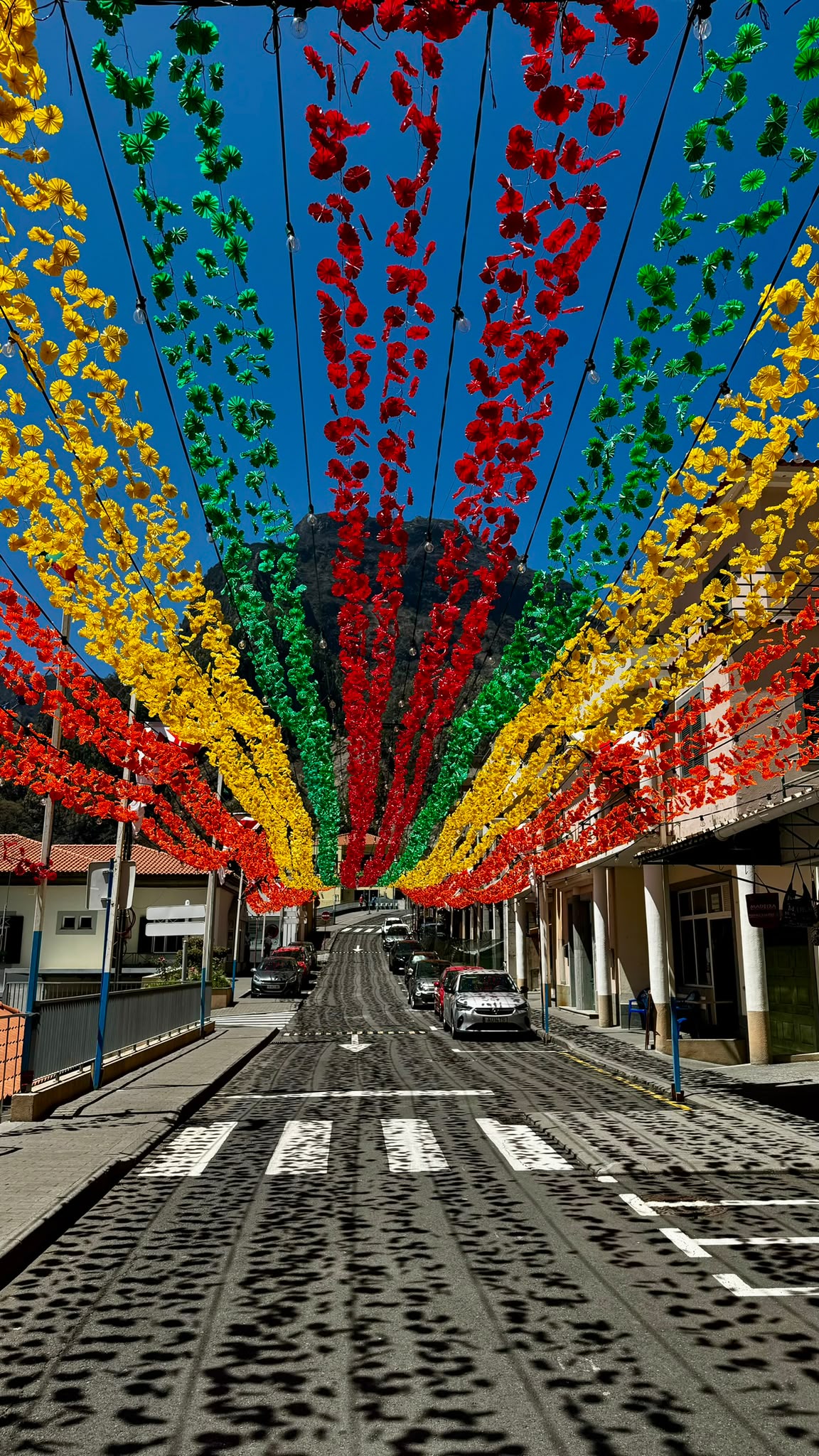 Madeira. Photo: Tamar Abergel
Madeira combines an active nature vacation with a relaxing ocean getaway, with challenging routes and accessible viewpoints, and wild mountain peaks and colorful towns.
And perhaps that is precisely its great charm. After quite a few trips around the world, Madeira reminds you that you don't have to fly to the other side of the world to encounter breathtaking nature. Sometimes, a small island in the Atlantic Ocean surprises you with landscapes that are hard to believe are all in the same place.
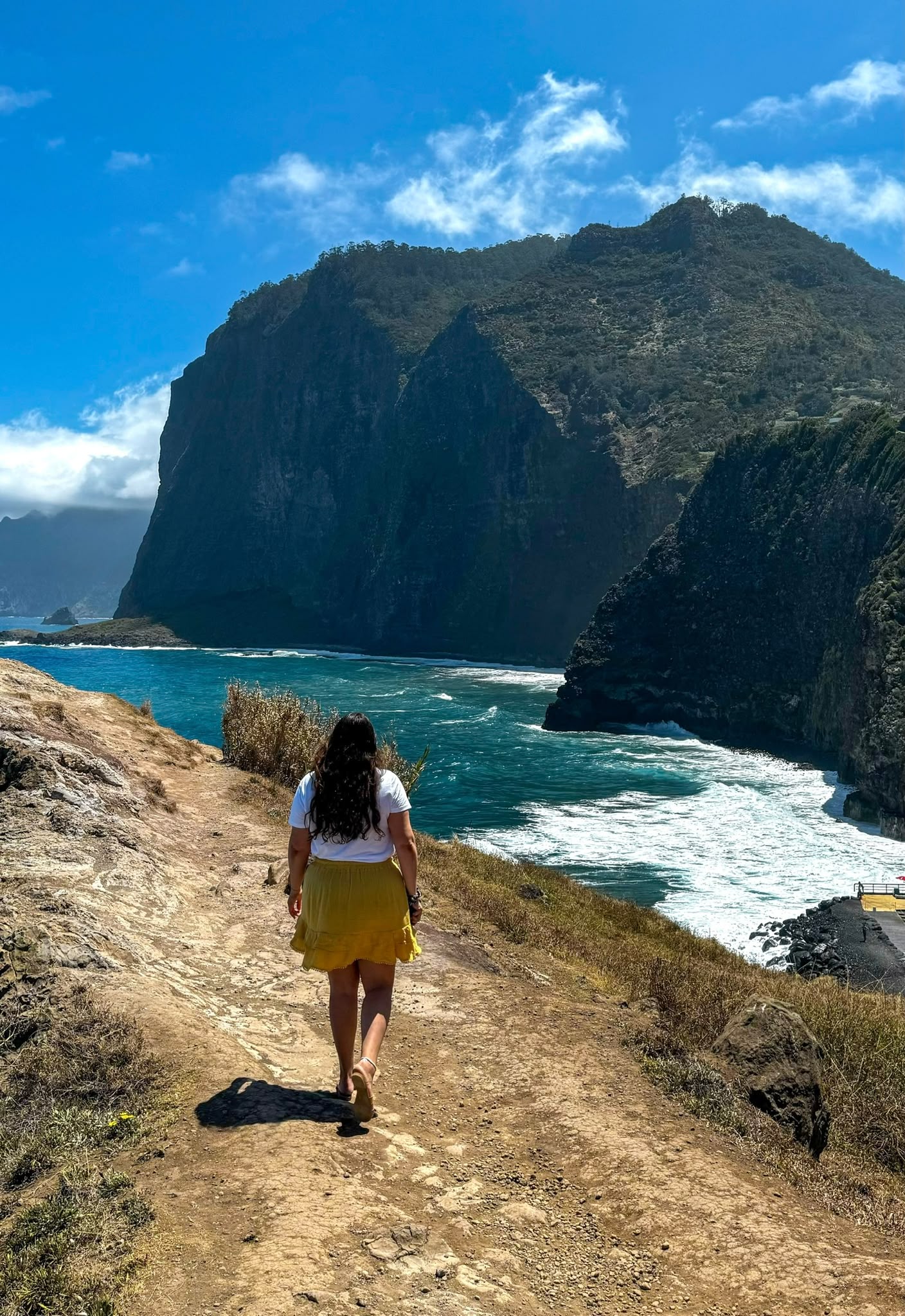 Madeira. Photo: Tamar Abergel