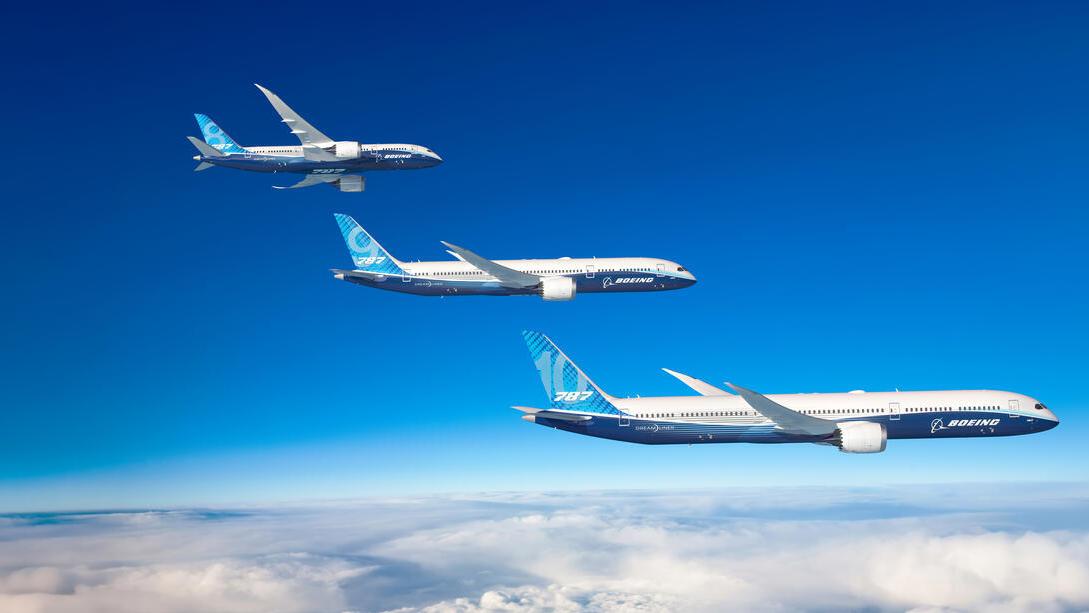
The Boeing 787 Dreamliner has carried more than 1.3 billion passengers since entering commercial service on October 26, 2011, opening hundreds of nonstop routes and changing how airlines build their long-haul networks. Fifteen years after its debut, airlines operating the aircraft say its technology continues to offer capabilities that feel remarkably modern.
The milestone was highlighted by Boeing as airlines and industry representatives gathered at the 2026 787 Fleet Team Conference in Huntington Beach, California, to discuss the aircraft's performance and future.
The 787 has become the world's bestselling passenger widebody aircraft in history, with more than 2,450 orders from 91 customers. Its global fleet now connects more than 530 destinations and has helped airlines introduce over 550 nonstop routes between city pairs that previously had no direct service.
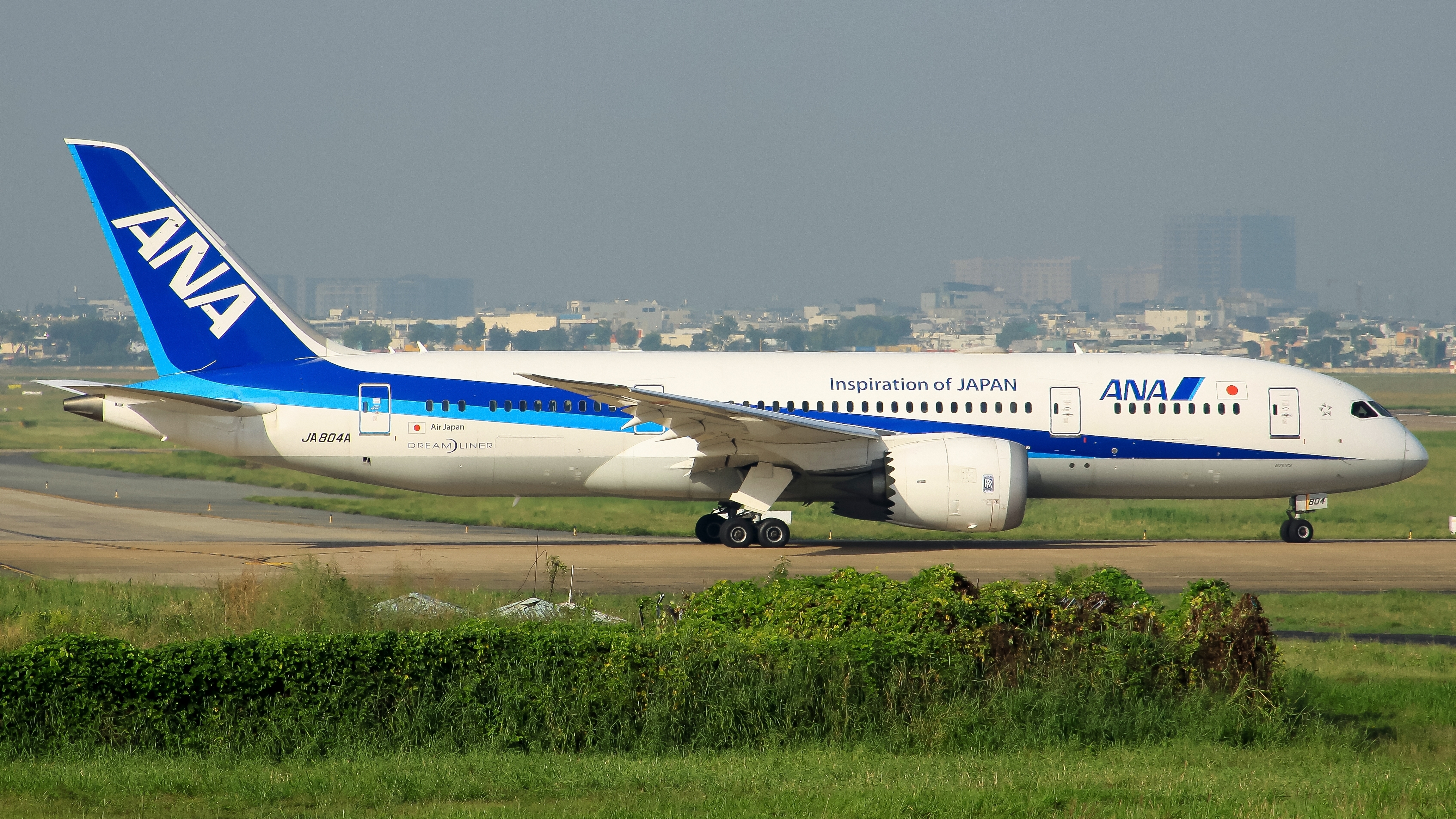 Boeing 787 Dreamliner. Photo: Phung Quang Minh / Shutterstock.com
The aircraft also plays a significant role in long-haul operations. In 2025, the 787 operated 28% of all airline routes worldwide in the 4,000 to 8,000 nautical mile range.
Some of the longest routes served by the aircraft include London–Perth, covering 7,829 nautical miles, Dallas–Melbourne at 7,811 nautical miles, and Auckland–New York at 7,670 nautical miles.
For Australian low-cost carrier Jetstar Airways, the aircraft has opened opportunities that were previously difficult to pursue.
"The technology that was put into that airplane, in the design, was so advanced at the time that even now, 15 years later, you feel like you're dealing with new technology," said Jordan Becroft, Jetstar's senior fleet engineering manager.
He added that the 787 had fundamentally changed what was possible for the airline, allowing it to operate long-haul international services as a low-cost carrier.
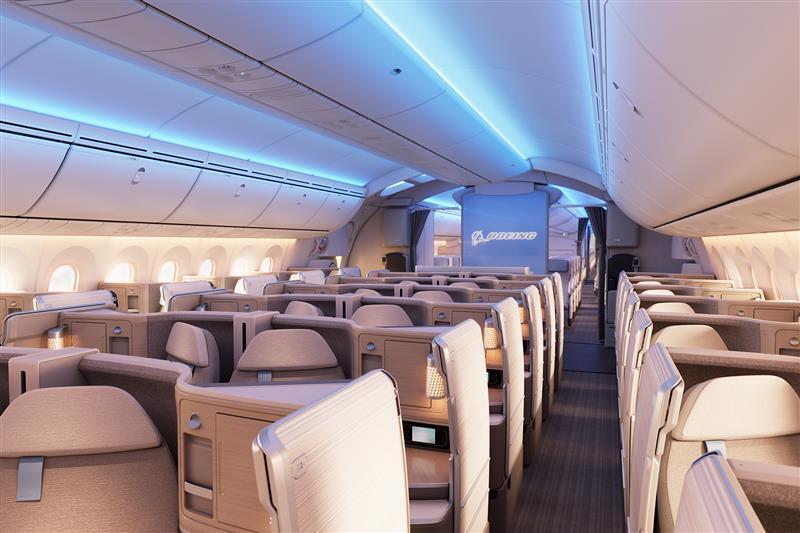 Beoing 787 Dreamliner. Photo:Teague / Boeing
ANA: The Airline That Launched the Dreamliner
All Nippon Airways (ANA) became the first airline to operate the 787 on October 26, 2011, with a specially chartered inaugural flight from Tokyo's Narita Airport to Hong Kong.
"This year the 787 Dreamliner marks 15 years since entering service with ANA, and operators say this airplane still feels like the future," said Boeing.
For ANA, the aircraft delivered more than the expected fuel savings and passenger comfort improvements. It also changed the airline's international network by making direct services to smaller and midsize markets economically viable.
"The 787 is so much more. It has completely reshaped ANA's global network," said Shinchiro Ohya, ANA's director and 787 fleet chief. He explained that the aircraft's range and efficiency allowed the airline to introduce direct routes that previously would not have been profitable.
ANA now operates 92 Dreamliners, making it one of the world's largest 787 operators. The aircraft accounts for approximately 40% of its total fleet.
One aircraft has accumulated particularly extensive operational experience. ANA's JA817, the 59th 787 ever assembled, had recorded approximately 20,600 flight cycles as of October 2026. A flight cycle represents one takeoff and the subsequent landing.
Ohya also highlighted how operating the aircraft from the beginning helped ANA develop its engineering and maintenance capabilities. Being the first operator meant encountering technical challenges without an established operational history to draw on. The experience encouraged the airline to make greater use of its own operational data and Boeing's Airplane Health Management and Monitoring systems.
The relationship between the two companies has since developed into a long-term partnership focused on technical improvements and fleet reliability. ANA received recognition at the 2026 787 Fleet Team Conference for its contribution as the aircraft's launch customer.
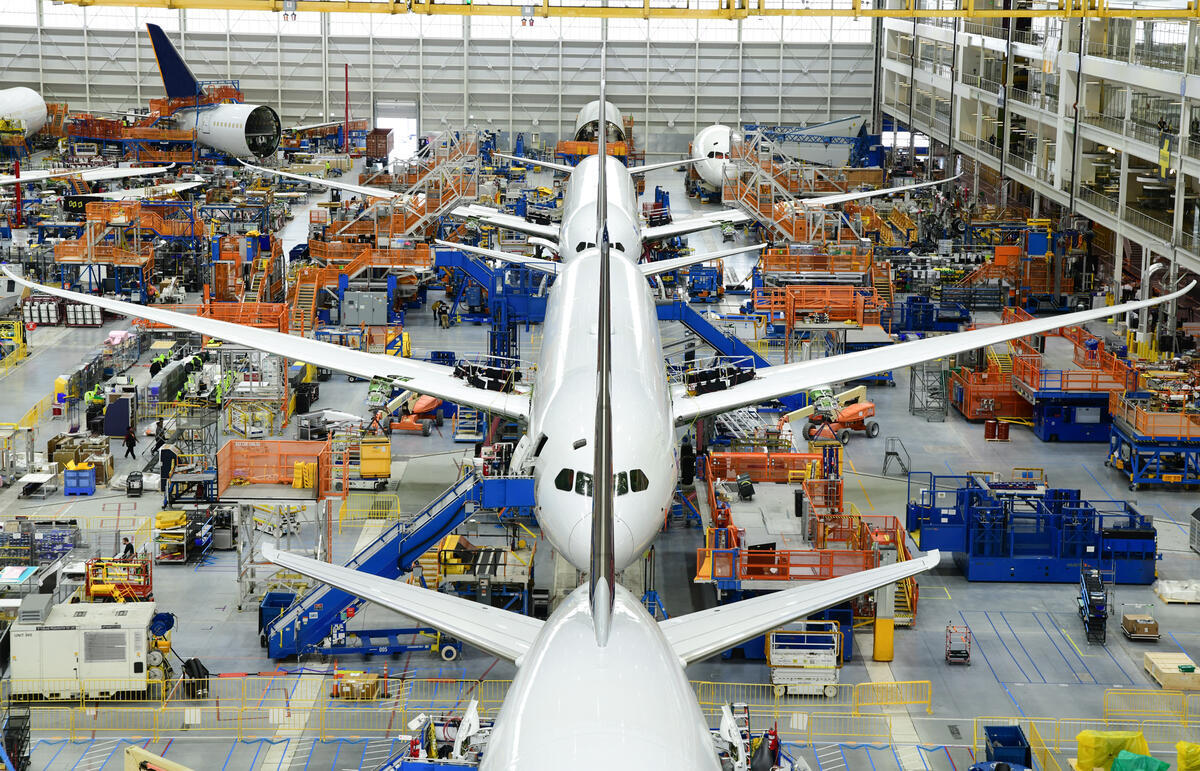 Beoing 787 Dreamliner. Photo: Boeing
Boeing Says There Is More to Come
Despite the aircraft's 15 years in service, Boeing believes the 787 still has considerable potential.
"When we designed this airplane, we set it up for multiple generations of service. There's so much capability yet to unlock," said John Sims, Boeing's 787 fleet chief.
The manufacturer says it has completed more than 500 improvement projects since 2011, focusing on reliability, aircraft performance and cabin features. Recent developments include an increase in maximum takeoff weight for the 787-9 and 787-10, approved by the FAA earlier in 2026.
Boeing also points to the growing number of operators as an important factor in the aircraft's continued development. With more than 90 customers, the company receives feedback from airlines with different fleet sizes, operating models and network requirements.
"Our customers have always had a big voice in what we do here," said John Murphy, the 787 chief project engineer, noting that Boeing continues to use operator feedback to identify improvements that can benefit the wider fleet.
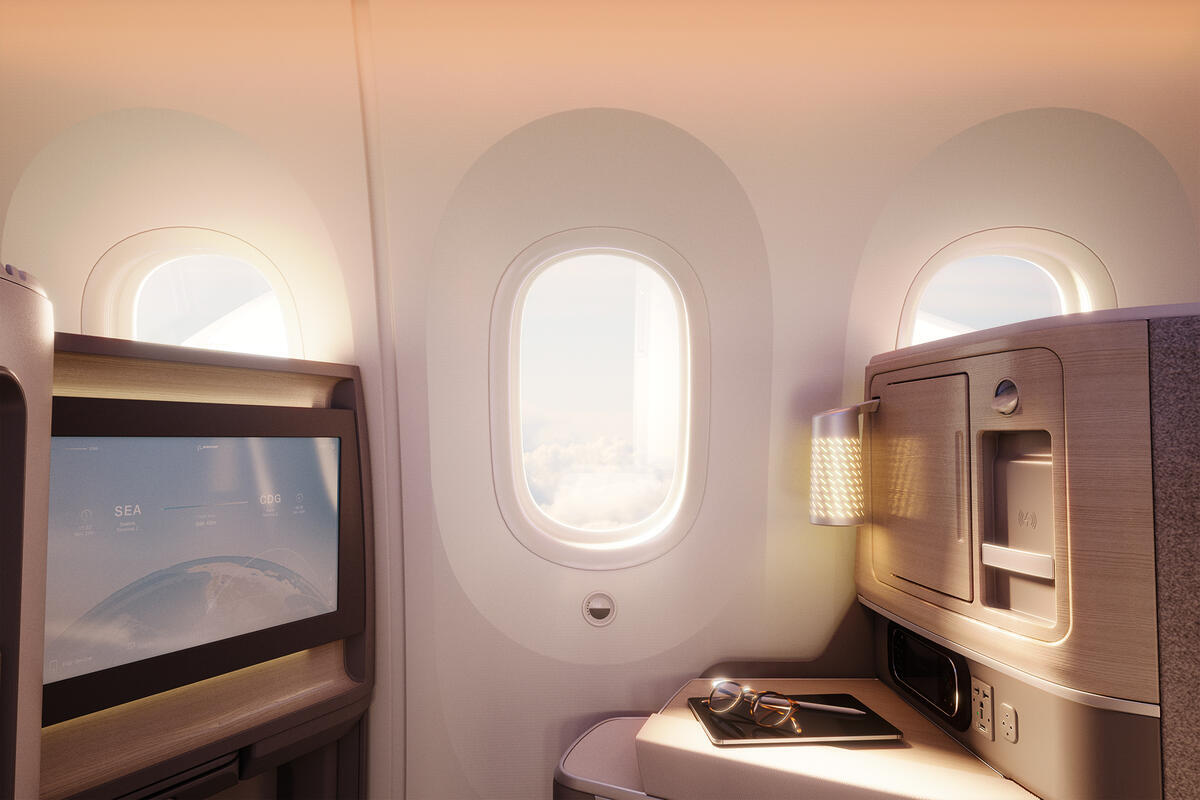 Beoing 787 Dreamliner. Photo:Teague / Boeing
Fifteen years after its first commercial flight, the Dreamliner has become a central part of long-haul aviation. Its record of opening new routes and serving markets that were previously difficult to reach has helped establish its position among the world's leading widebody aircraft.
Murphy said the scale of the aircraft's success had exceeded expectations, particularly in how it has influenced aviation and the passenger experience.