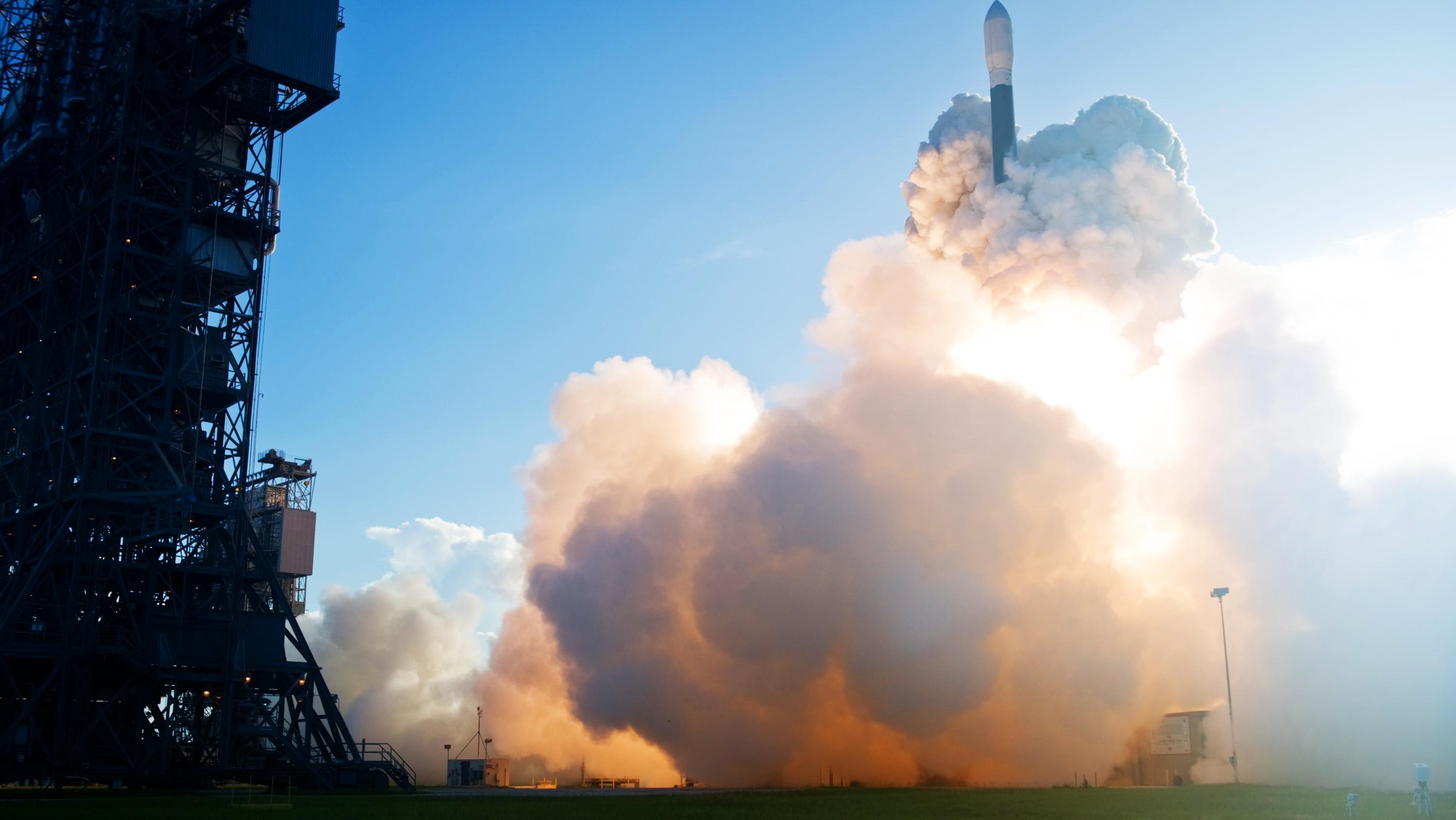
United Launch Alliance's (ULA) Vulcan rocket suffered a mid-flight failure on Sunday, November 15, losing all 40 Amazon Leo satellites it was carrying and dealing a setback to Amazon's plans to build a global satellite internet network.
The rocket lifted off at approximately 12:40 p.m. Eastern Time from Space Launch Complex 41 at Cape Canaveral Space Force Station in Florida. About 10 minutes into the flight, an anomaly prevented the vehicle from delivering its payload into orbit, ULA confirmed.
The company announced the failure in a statement posted on X at approximately 1:30 p.m. ET, saying the information was based on data received by its Launch Director.
ULA said it did not yet have enough information to determine what went wrong, as the anomaly had only just occurred. The company promised to work with Amazon and other relevant organizations to establish the cause, identify corrective measures and return the rocket to flight as quickly as possible.
"We hold ourselves to the standard of mission success. Today, we did not meet that standard," ULA said.
All 40 satellites were part of Amazon's Leo broadband constellation, which is being developed to compete with SpaceX's Starlink satellite internet service.
Launch Delayed Twice Before Sunday's Failure
Sunday's mission had already encountered problems before the rocket left the launch pad.
The launch was initially scheduled for Friday, November 13, but was postponed following a power interruption. A second attempt on Saturday was also called off because of a communications issue between the ground equipment and the rocket.
After resolving the problems, ULA rescheduled the mission for Sunday. The Vulcan eventually lifted off at 12:40 p.m. ET, carrying the 40 satellites on what was designated the Amazon Leo 1 mission.
The failure is a significant setback for ULA. It was the company's first outright mission failure since its formation in 2006 through the combination of Boeing and Lockheed Martin's launch businesses. It was also Vulcan's first flight in approximately nine months and its fifth mission since the rocket made its debut in 2024.
Amazon had planned for this mission to be the first of 38 launches contracted with ULA to deploy satellites for its broadband network.
Amazon acknowledged the risks involved in spaceflight, particularly on early missions, and expressed confidence in its launch partner.
"There is risk with any launch, and that's especially true for inaugural missions like LV-01," Amazon said, adding that it believed ULA would learn from the incident and continue delivering on its long-term Vulcan plans.
Investigation Underway
The cause of Sunday's failure remains unknown. ULA said its investigation would involve a detailed review of flight data and cooperation with Amazon and other appropriate organizations.
The company also pledged to keep its customer informed throughout the investigation and provide further public updates when additional information becomes available.
The incident attracted a response from SpaceX CEO Elon Musk, who commented on ULA's announcement on X: "Sorry to hear this. Hope you are back to flight soon."