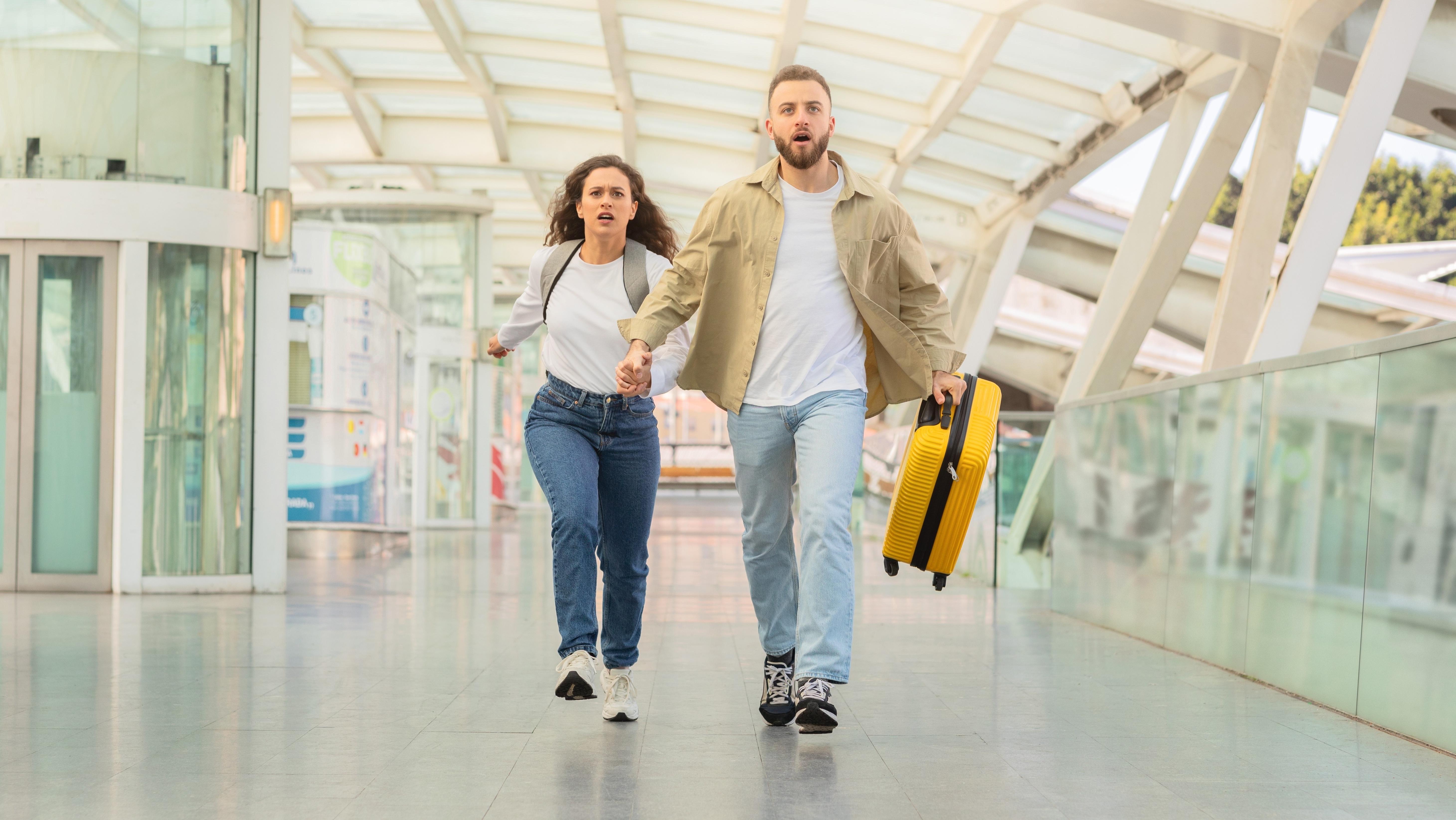
Is the stress of flying causing people to give up vacations and trips? New research by international technology company SITA points to a significant trend that may also affect airline and airport revenues: 42% of passengers who participated in the survey said they decided to give up traveling because they expected the flight experience to be too stressful.
The data is published as part of SITA's Passenger IT Insights 2026 report, based on a survey of almost 8,000 passengers in 24 countries. According to the study, 8 in 10 passengers believe that technology can reduce the stress of flying and improve the travel experience.
This is particularly worrying for airlines, as the findings show that 6 out of 10 frequent flyers (not occasional travelers) said they had given up on traveling due to concerns about a stressful flight experience. The picture is not encouraging among the younger generation, who may become the airline's regular passengers in the future: more than half of passengers under the age of 30 have given up on traveling for a similar reason.
These two groups in particular believe in technology's ability to change the situation: 89% of frequent travelers and 86% of young people believe that technological solutions can reduce stress.
Lines, Delays and Luggage: What Really Stresses Travelers?
According to SITA CEO David Lavorel, much of the stress comes from uncertainty. Passengers want to know when their flight will take off, how long they will wait at security, where their luggage is and what happens when the boarding gate changes.
The company proposes to address the problem by sharing information between airlines, airports, ground handling companies and border control authorities, allowing passengers to receive real-time updates before they have to search for information themselves.
Among the solutions offered by SITA: direct notifications to mobile phones, displaying wait times and walking times to gates on screens throughout the terminal, and using artificial intelligence that will track the passenger's route and send an update whenever a change occurs.
Airports Also Have an Interest: Less Stress, More Time for Shopping
In addition to improving the passenger experience, technology could have a significant economic impact on airports. One interesting piece of data from the study concerns the amount of time spent in the area between security and the boarding gate. This is the amount of time passengers can spend in duty-free shops, restaurants, cafes and lounges.
However, according to the study, it is precisely in this area that there has been a significant increase in the feeling of stress: a third of passengers now report feeling anxious in the area after the security check, three times more than in 2023.
The company believes that shortening lines and providing accurate information about boarding-gate opening times and the walk to the gate will allow passengers to use their free time more comfortably while also increasing airports' commercial revenue potential.