The U.S. Transportation Security Administration (TSA) is marking its 25th anniversary, reflecting on a quarter-century of airport security operations and efforts to protect the country's transportation network following the September 11, 2001, terrorist attacks.
Created in the aftermath of the attacks, the agency was established to strengthen aviation security by bringing passenger and baggage screening under federal control.
Since then, its responsibilities have expanded beyond airport checkpoints to cover a wider range of transportation security challenges across the United States.
TSA Administrator David P. Cummins said the agency had carried out its mission for 25 years, emphasizing that preventing another tragedy on the scale of September 11 remains central to its work.
"As we look to the future, the agency will continue to innovate and evolve to meet new challenges while maintaining that strong sense of mission and purpose which has guided us since 2001," Cummins said.
New Technology and Shorter Airport Security Waits
Alongside its security responsibilities, TSA highlighted several developments intended to improve the passenger experience.
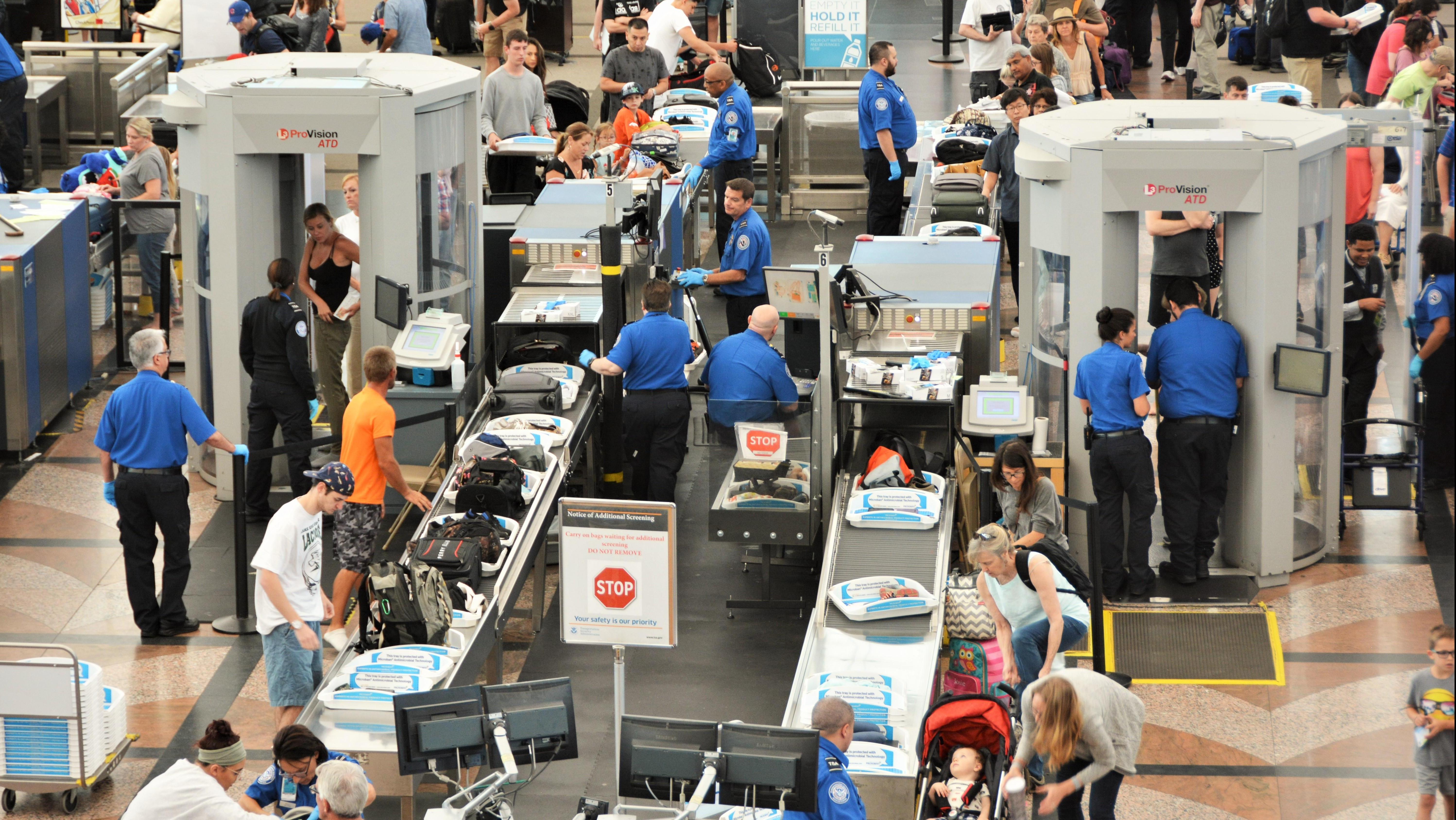 TSA at airport: Photo: Shutterstock
One of the agency's priorities has been introducing technology that allows eligible travelers to keep their shoes on during security screening. The use of advanced screening systems is also intended to reduce waiting times and make checkpoint procedures more efficient.
The agency said it has continued screening record numbers of travelers, including during periods of operational pressure and multiple U.S. government shutdowns.
TSA is also expanding its focus beyond traditional aviation security. Its responsibilities increasingly include protecting transportation infrastructure against emerging threats, including cyberattacks and the growing use of drones.
The agency said these developments are part of its efforts to adapt to changing security risks while maintaining the protection of passengers and transportation systems.
Programs Designed to Make Travel Easier
TSA also pointed to several programs designed to simplify airport procedures and improve the experience for specific groups of travelers.
One is One Stop Security, an initiative intended to simplify international connections by reducing the need for passengers to undergo repeated security screening when transferring between participating airports and countries.
Another development is remote screening, which TSA has been testing through a pilot program at Boston Logan International Airport. The initiative explores ways to conduct certain screening processes remotely, potentially improving the use of airport security resources.
The agency also highlighted dedicated screening lanes for families traveling with children and military personnel, offering additional assistance to passengers with specific needs.
Looking ahead, TSA says it intends to build on these initiatives as it enters its next 25 years. The challenge will be balancing increasingly sophisticated security requirements with the need to keep passengers moving through airports efficiently.
The anniversary marks a significant milestone for an agency that has become a central part of the U.S. air travel experience since its creation in 2001.