In an era where the aviation world is changing at a breakneck pace – from smart aircraft to air taxis – the United States is positioning Texas as a leading strategic destination in the next aerial revolution.
The U.S. Department of Transportation and the Federal Aviation Administration (FAA) have announced that the Texas A&M University System will establish and operate the National Center for Advanced Aviation Technologies (CAAT) – a groundbreaking initiative aimed at propelling air transport into a new era of innovation, safety, and efficiency.
This is a move of national significance, but also a clear declaration: the air future of America begins in Texas.
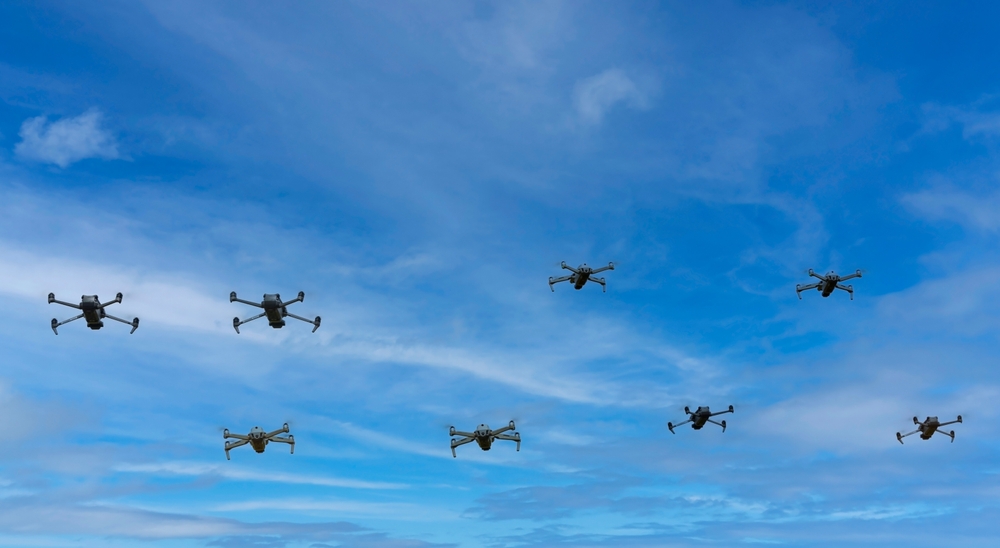 Photo: Shutterstock
The combination of advanced research infrastructure, technological vision, and a strategic geographical location near international airports places Texas at the heart of next-generation global aviation.
Vision Takes Flight: Drones, Air Taxis, and Groundbreaking Technology
At the official announcement held in Washington on April 23, Transportation Secretary Sean P. Duffy and Senator Ted Cruz were present. According to Duffy:
"Texas is already a leader in safety trials for drones, and now it will become the hub of the air transport revolution – from air delivery to hover taxis. The CAAT center will implement this vision while ensuring safety and leveraging the technological capabilities of the U.S."
Senator Cruz, who initiated the provision in the 2024 Federal Aviation Administration authorization bill that led to the establishment of the center, noted:
"I requested to locate the center in Dallas-Fort Worth precisely because of the groundbreaking innovation happening here. The center will help create thousands of jobs, drive investments of billions of dollars, and strengthen Texas's position as a global aviation powerhouse."
Beyond Research – A Living, Breathing Testbed
The CAAT center will not only be a research entity: it will include aerial laboratories, test corridors, demonstration areas, and systems for managing unmanned traffic (UTM). Special emphasis will be placed on the development and implementation of Advanced Air Mobility (AAM) systems, with close collaboration among federal government, academic institutions, and industry companies.
The choice of Texas A&M was made from 28 proposals from different states, based on the university's advanced infrastructure, extensive industry-academic partnerships, proximity to key transportation hubs, and above all – from the long-term vision for developing innovative, sustainable, and safe aviation.
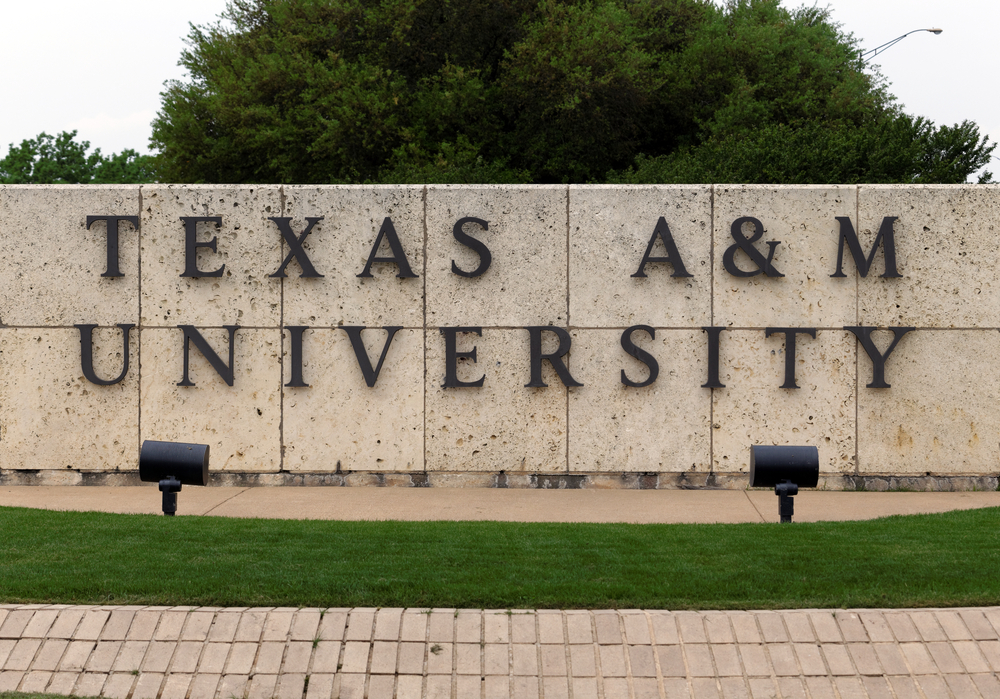 Photo: Shutterstock