Wizz Air launches new aircraft.
Let's start with some basic facts. The narrow-body aircraft market is still alive, thriving, and larger than that of wide-body aircraft. For Boeing, this means the latest versions of the 737, such as the MAX. For Airbus, it's the A320 family, which is constantly being updated, with the latest step being the delivery of the first A321XLR to low-cost carrier Wizz Air.
The first delivery to a low-cost airline sends a message about the near future of this massive market, which continues to grow worldwide.
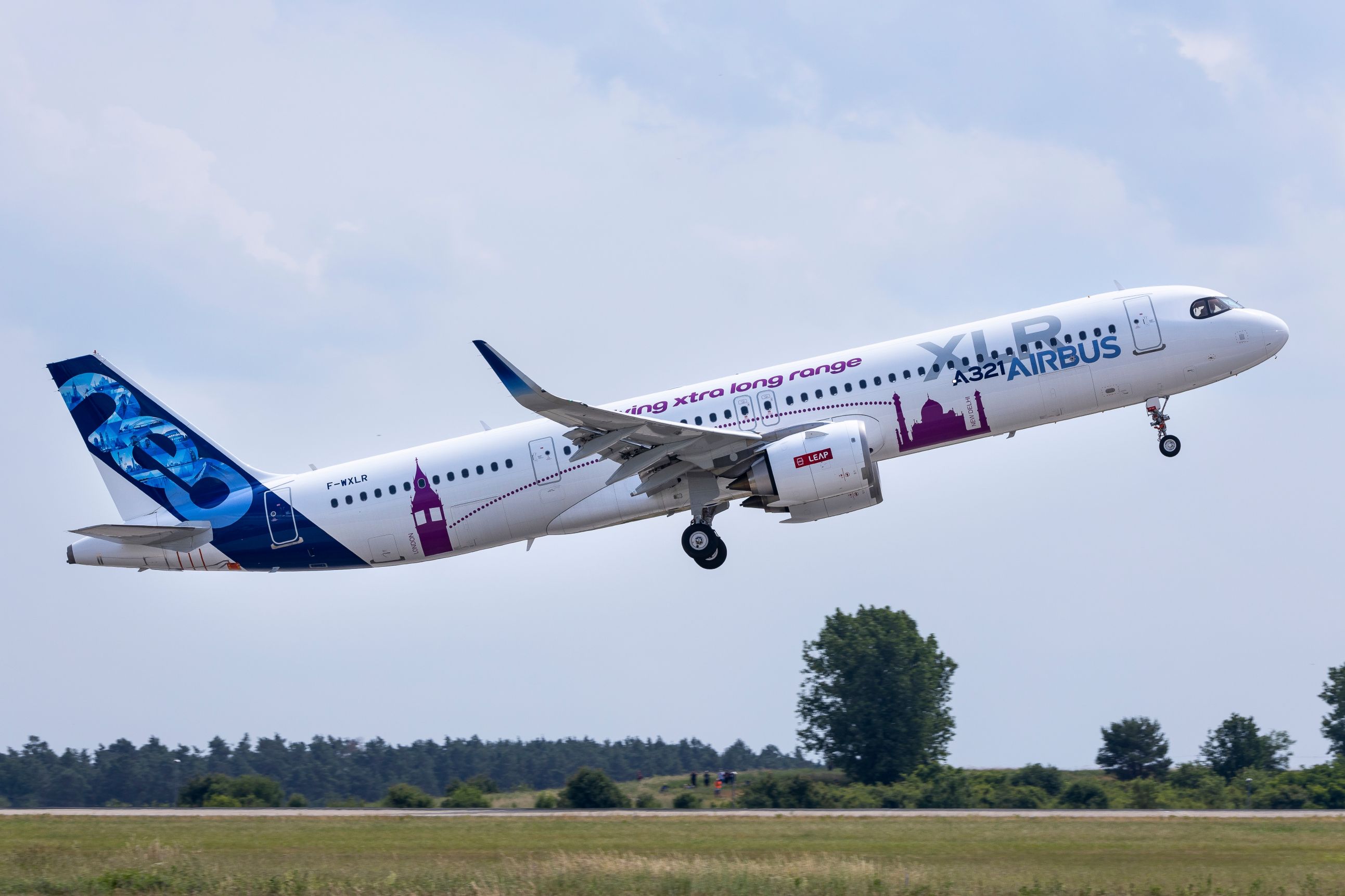 Photo: SHUTTERSTOCK
Say goodbye to two or three-hour flights. This plane will serve budget travelers on long-haul flights, a sub-market that few low-cost carriers have entered so far (such as Scoot), especially with narrow-body aircraft.
What Can It Do?
Before we get to the "where," let's first understand the "what." Among the significant innovations in the A321XLR are the center-aft fuel tank that doesn't impact cargo capacity, and a cabin with wider seats in economy class (Wizz's model has the entire plane as economy class with 239 seats).
 Photo: WIZZ AIR
Other airlines can offer business class with advanced entertainment systems, just like wide-body aircraft. It is a more economical and "greener" aircraft than previous A320 family models, with lower operational costs compared to wide-body planes.
The major advantage of the aircraft is the distance it can fly non-stop. If the older A320 Airbus aircraft could travel 5,740–6,940 kilometers, and the A321 could fly up to 7,400 km, the new plane can fly 8,700 kilometers continuously.
However, it's worth noting that, even in previous models, pilots and their planes generally do not reach the maximum possible range and fuel capacity.
Therefore, this is a groundbreaking opportunity for airlines, including low-cost carriers that will be able to open up to new markets. With Wizz Air's new order, it's not just flights from London to the Emirates or Saudi Arabia that the company is interested in; we may see the company entering the transatlantic market for the first time, allowing it to surpass competitors like easyJet and Ryanair.
Where To, For Example?
Theoretically, the airline could fly non-stop from Athens to New York (7,900 km); from Rome to Miami (8,300 km); from Madrid to Cuba (7,300 km) or from Warsaw to Montreal (6,500 km). Of course, these are only theoretical destinations, and there are countless other points that could be connected thanks to the aircraft's long haul and distance capabilities.
From Israel, the news is less significant due to the geopolitical situation and the environment we live in. It won’t be possible to fly the XLR from Tel Aviv to New York, or to any destination in North or South America. In Africa, flights to South Africa are possible, as also to India, but not to the further-off Thailand.
Lastly, although it's a matter of taste, many will agree that the flying experience in a narrow-body aircraft is entirely different and much less comfortable and pleasant than in a wide-body plane.
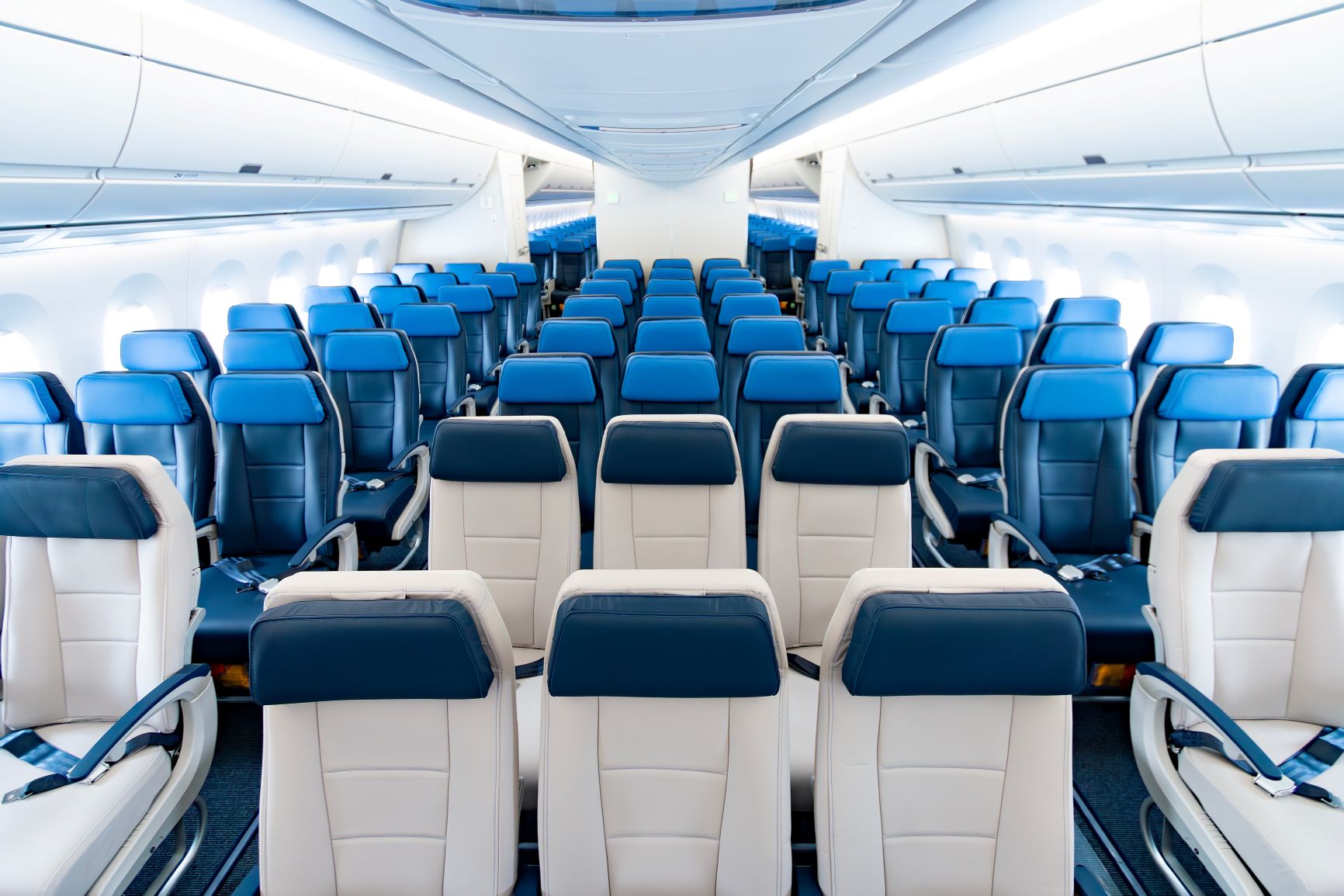 Photo: SHUTTERSTOCK
The spacious environment of a plane with two aisles is fundamentally different from the "tin can," as advanced as it may be. Nevertheless, if it's a more efficient aircraft that also reduces costs, we all stand to benefit from its entry into the market.
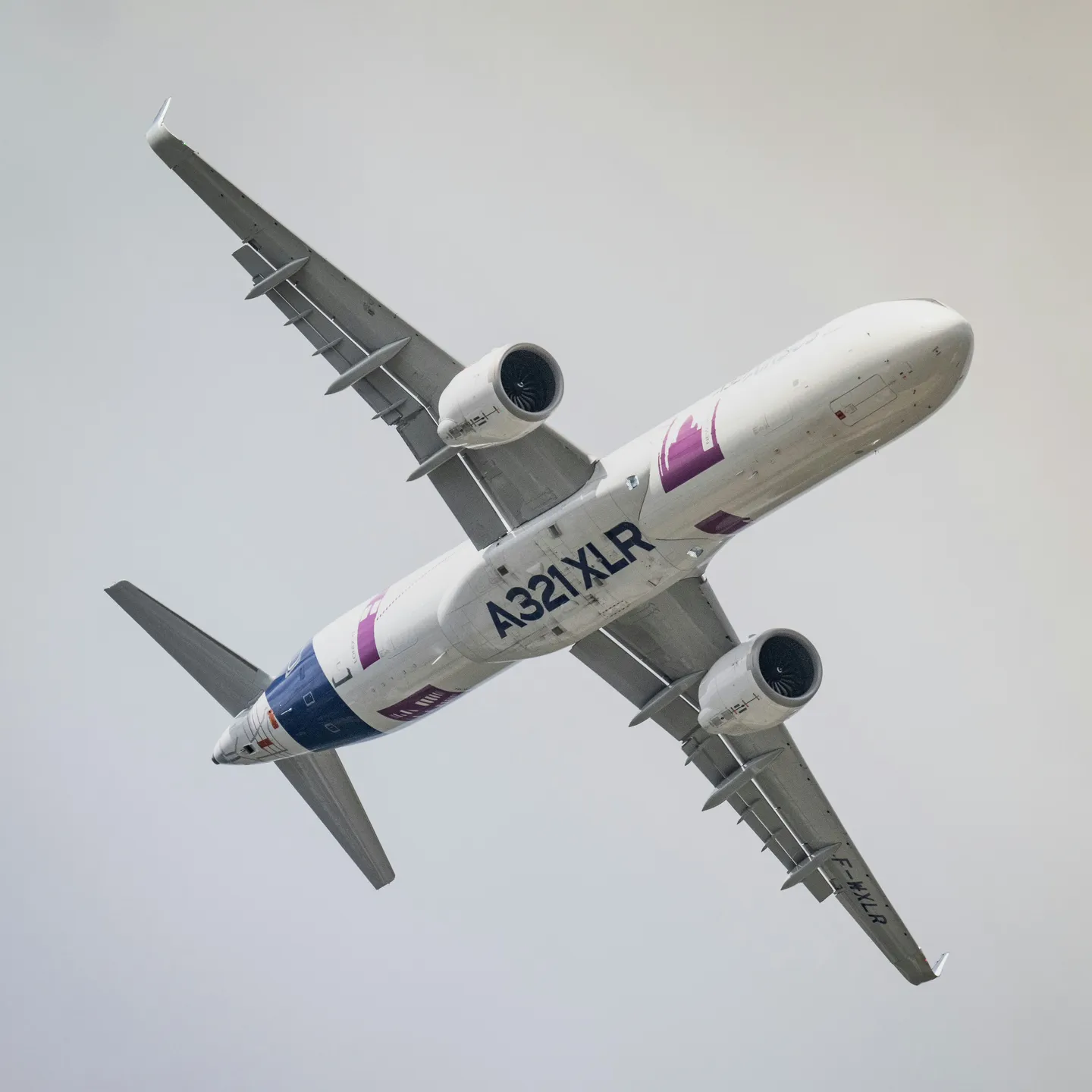 Photo: AIRBUS