February 2012. A pivotal moment in Budapest. Hungary's national airline, Malév, collapsed after years of losses and a decision by the European Union to no longer support it. The company, established after World War II in 1946, was considered "cumbersome" in its operations, with many attributing its collapse to numerous structural and economic reasons, particularly its outdated management dating back to the communist regime control until the late '80s.
During Malév's final days, Wizz Air, a small and some might say "cheeky" low-cost airline, watched from the sidelines. Although it started operations in 2004 from Katowice, Poland, it was managed from day one by József Váradi, the former CEO of - guess who - of course, the collapsing Malév.
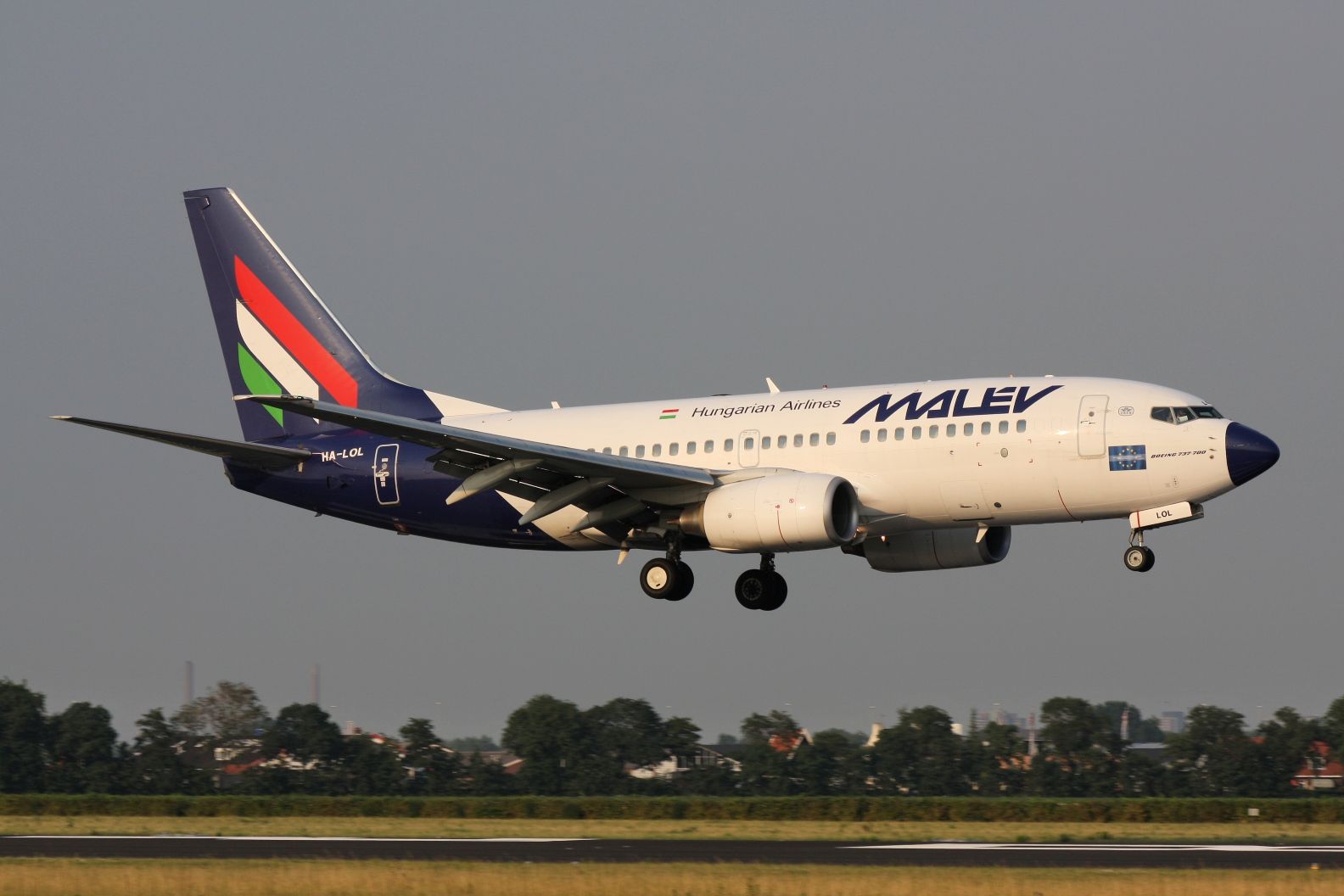 Malév airplane, the defunct Hungarian airline. Photo: Shutterstock
Unlike the outdated Hungarian "Legacy" airline, Wizz Air was born in the 2000s and established from day one not as a classic Hungarian company, but as one that utilized the European Union for more up-to-date operations, based on local bases in different countries, and operating under the "Fifth Freedom" in aviation, the right of an airline registered in country X to fly between country Y and country Z, without political alignment or government reliance. If you will, this shift in thinking is one of Wizz's magical secrets and 21st-century aviation.
But more important than geopolitical developments was Wizz Air's distinction from Malév in its economic model. The historic company, unable to adapt to modern aviation business, failed to understand the model of Wizz and Ryanair, growing as low-cost and ultra-low-cost airlines in the European Union. The end result, as mentioned, was the collapse of the historic airline on the landing strip in 2012 and the increasing profitability of the low-cost flight industry.
Waiting on the Sidelines and Winning Hearts
Even before Malév's collapse and certainly since its disappearance from the skies, Wizz Air identified an opportunity (many would say largely thanks to the CEO who crossed the lines and understood the differences between the companies better than anyone), stepping into the old company's shoes and winning audience hearts.
 Photo: WIZZ AIR
Unlike Ryanair, the pioneer of low-cost in Europe, and largely thanks to its branding and distinction from it, Wizz has not suffered and still doesn't suffer from the cheap and disrespectful image towards passengers that Ryanair deliberately cultivates, mainly on social media today.
The company is perceived to this day as reliable and professional, offering low-cost service with modern planes and excellent crews. Yes, there is no doubt that extra hours have been invested at the Budapest headquarters to differentiate Wizz's activities from Ryanair's as much as possible, despite the similarity in business model.
Brand New
Speaking of new aircraft, many were surprised when Wizz Air became one of the pioneers in the world in the acquisition field concerning next-generation narrow-body aircraft.
In May this year, the company announced the purchase of 47 Airbus A321XLR aircraft capable of flying especially long distances (8,700 km), carrying about 240 passengers.
 Photo: WIZZ AIR
If you like, these are the future faces of low-cost. Is there also a hint of trans-Atlantic low-cost flights in the future? We wouldn't be surprised if that's what we see in the coming year or two.
"Will This End Israeli Aviation?"
In recent months, Wizz Air made headlines in Israel mainly due to its operations base at Ben Gurion, vigorously promoted by Transportation Minister Miri Regev. The story, confronting many objections from Israeli airlines, quite resembles Malév's story when El Al's workers committee strongly opposes the base establishment, arguing that "it will end Israeli aviation".
There were already others willing to interview with the Israeli media, claiming that "this is what ended Malév's career". Well, as we've told here, this is far from accurate.
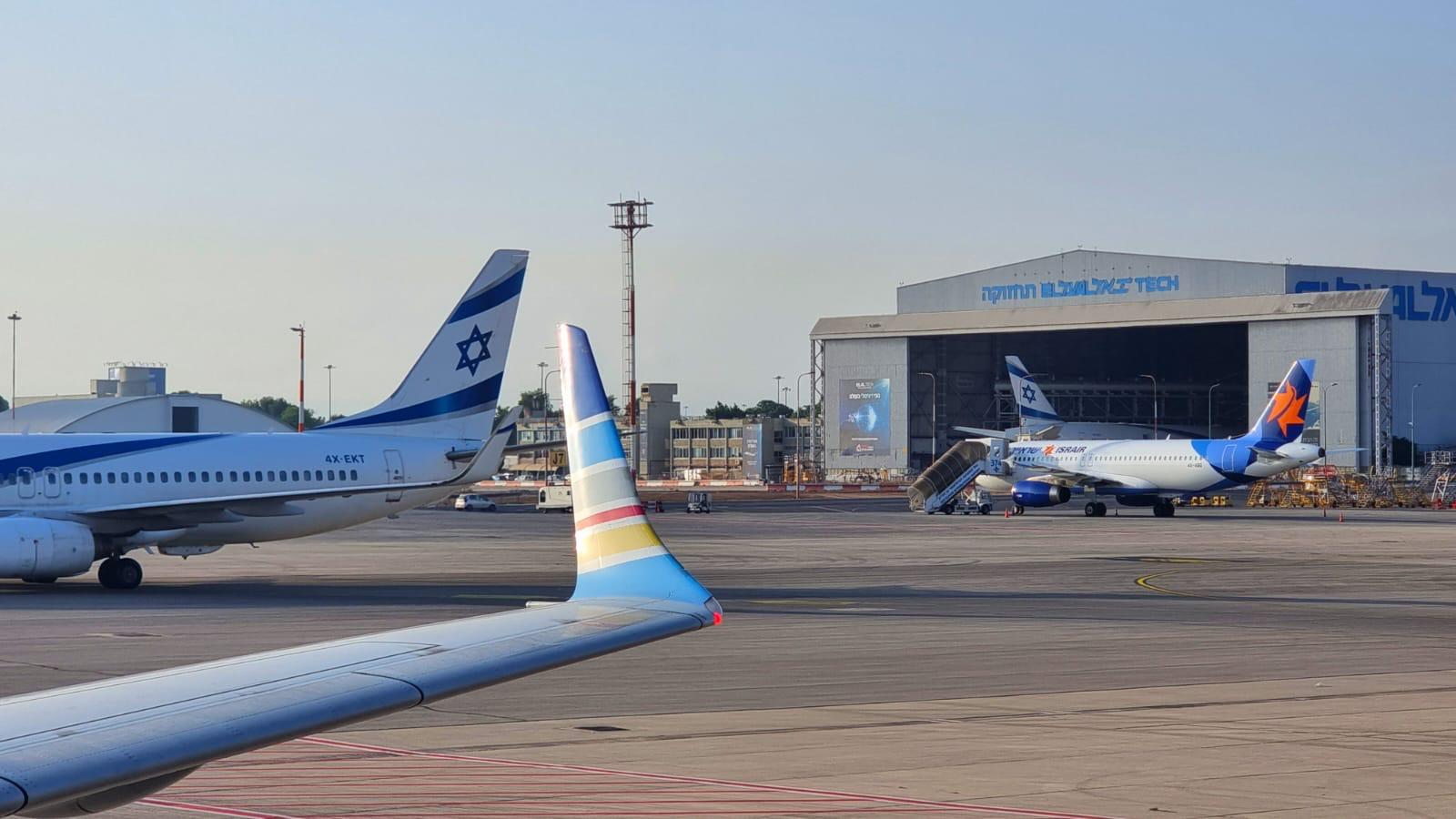 Israeli airlines' planes at Ben Gurion Airport. Photo: Sapir Peretz
As we've said already, one of Wizz Air's core principles is the fact that the Hungarian company does not see itself as a Hungarian brand, but as an all-European one. According to its operation and development plan over the years, it has established bases in numerous countries across Europe and even in the United Arab Emirates (recently announced its close focus back on Europe).
Among others, it operates from fixed bases today in Austria, Italy, Albania, England, Bulgaria, Georgia, Poland, Cyprus, Romania, and more, running endless routes from each. This week it also announced further network development and expansion of operations in Cyprus, for instance.
By the way, the bases where the company maintains planes are not only aviation-related but also touristic - reducing flight prices and the inter-base operations increase tourism between the countries.
Take the Polish market that has grown in Cyprus in recent years, ever since establishing its Larnaca base, holding an impressive number of aircraft there. The focused investment has led to a dramatic increase in Polish tourism to Cyprus. Which brings us back to our focus.
"Like Another Blue and White Airline"
Now the company's eyes are focused on Israel, with very healthy thinking towards the near future and the end of the war. Establishing a base at Ben Gurion, as we published before, will allow routine maintenance activities, permanently stationed planes, and overnight stays domestically, establishment of local offices, and employing Hebrew-speaking crew members for the Israeli audience.
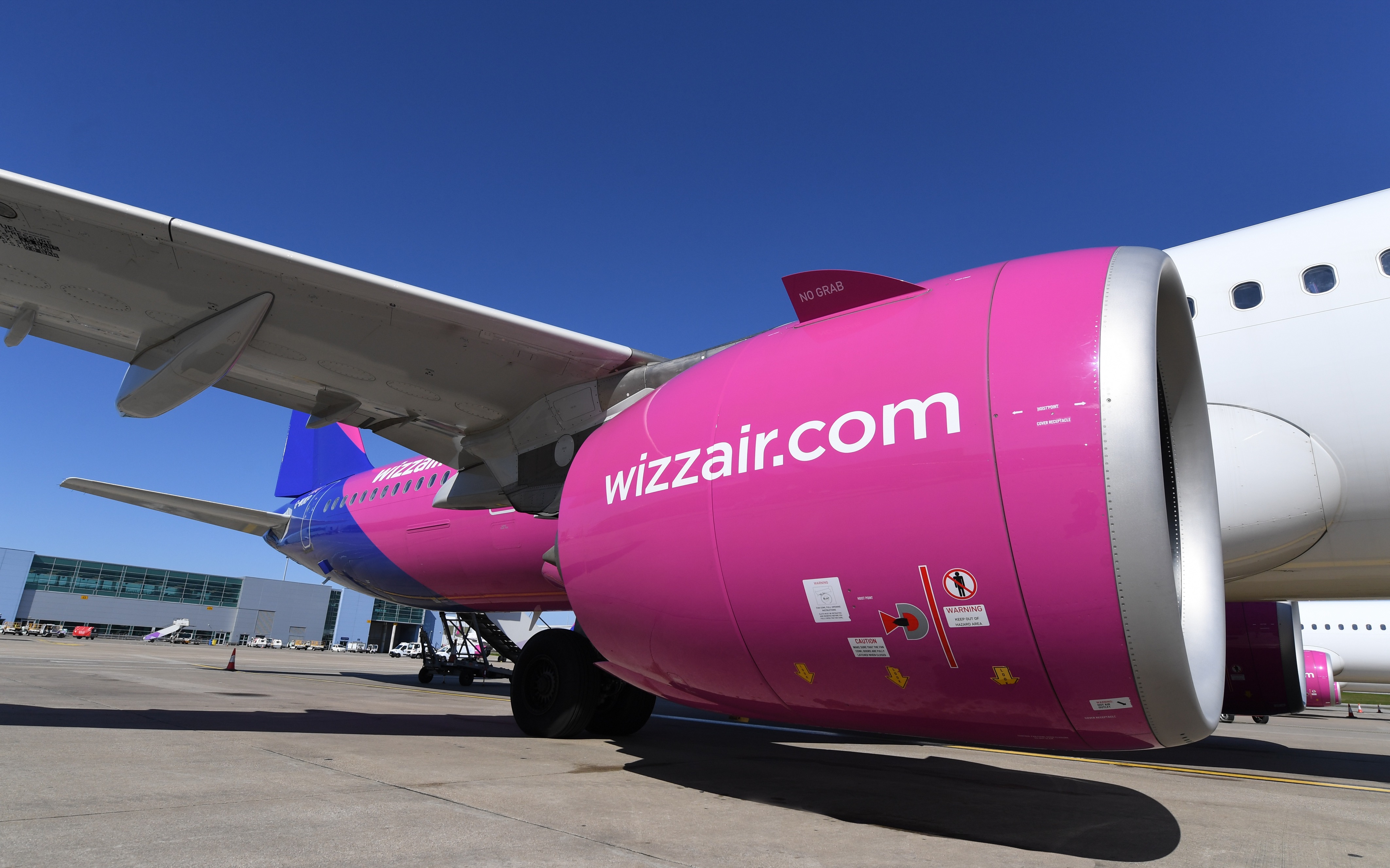 Photo: WIZZ AIR
The operations, defining Wizz as a sort of "another blue and white airline," faced adamant and understandable opposition from El Al's workers committee and the Civil Aviation Authority, aiming to protect Israeli companies' operations. Opposition reminiscent of Uber's attempt to enter Israel, blocked by taxi drivers' committees.
However, this time, it seems the transport minister does not intend to give up, and Wizz Air's operations base will indeed come into being at Ben Gurion. It was enough to hear her words at this week's press conference, where she stated "don't threaten me," and that "she has full backing from the Prime Minister for establishing the base, which will lower prices for passengers." Furthermore, she said that the company will commit, contrary to El Al's workers committee's claims, to fly to the country even during war times.
 Photo: PassportNews
We can't ignore this. The opponents of Wizz Air's base in Israel are full of butter on their heads, not only because of the astronomical profits and huge commercial success of Israeli companies during the war but primarily because of their opposition to a move that benefits us, the customers, and forces old companies to sweat a bit more to earn our trust, the Israeli travelers known for their relentless search for the cheapest way to fly abroad. Perhaps even more than other nations.
Where does Wizz Air intend to expand further, and what's next? We can say to many directions we reviewed in this article. Whether it's for long-haul flights (even after closing the Abu Dhabi base), establishing additional bases (like in Israel and possibly in more Middle Eastern countries) meanwhile expanding the fleet and the number of destinations, including secondary ones, in different countries. What is certain is that the small company from Budapest is no longer small at all but truly an empire, far beyond Hungary's size.