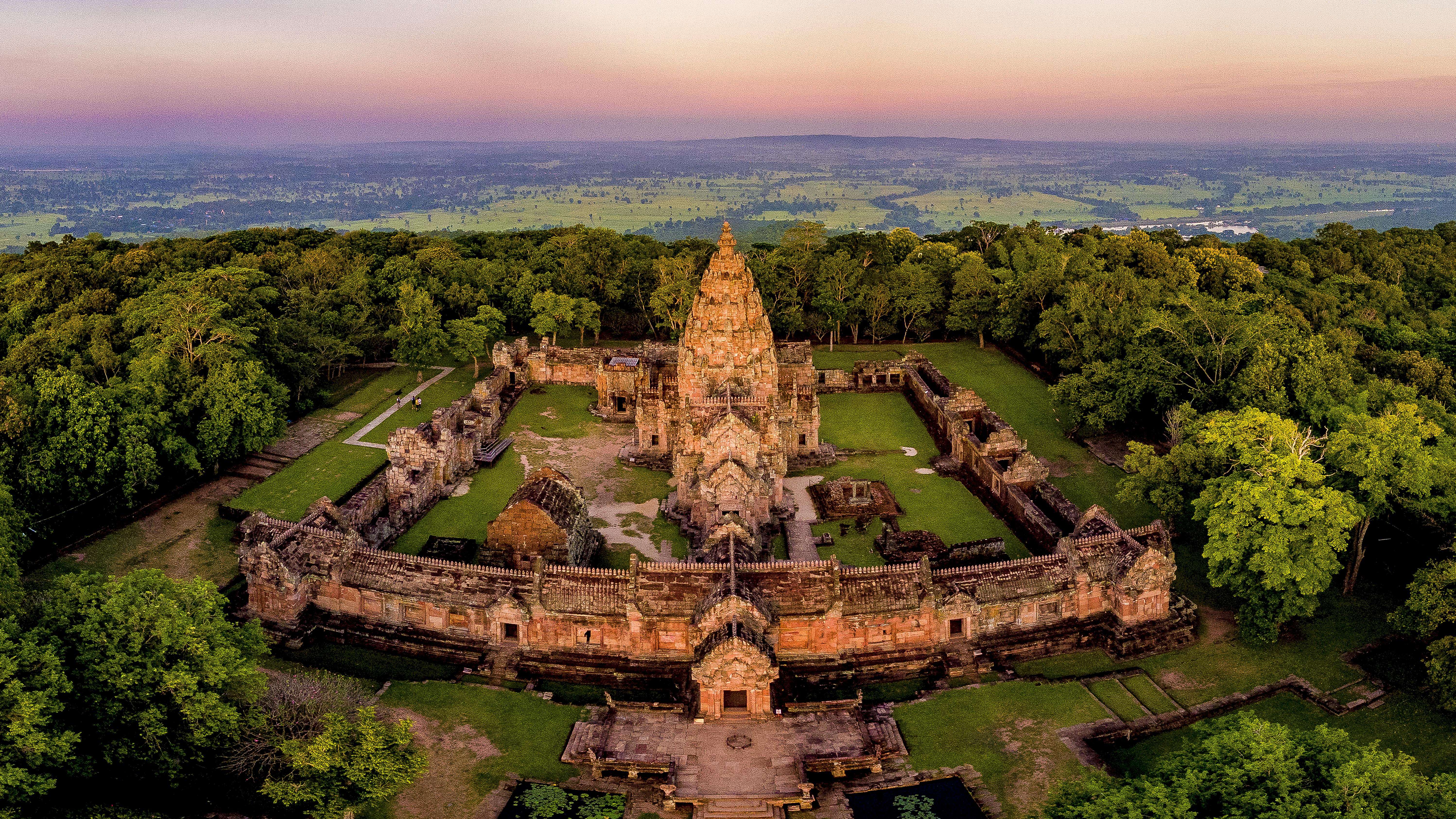
In 2001, I first discovered Isaan (Isan), also known as northeastern Thailand, when I traveled to Surin for the Elephant Festival. A planned two-week trip extended to six weeks, during which I encountered something completely different from anything I had ever known in Thailand before.
Namely, I discovered a land that had remained unspoiled, far from the much too familiar and worn paths walked by tourists and visitors on the island. I also encountered kind and unique people and explored new landscapes and subcultures of the Mekong Delta that I had not known before. By 2008, I had completed two more long and comprehensive trips throughout the area, totaling five months. These trips included visits to parks and nature reserves, major cities, and towns, as well as a slow journey along the banks of the Mekong River with excursions to neighboring Laos, all leaving a deep impression on me.
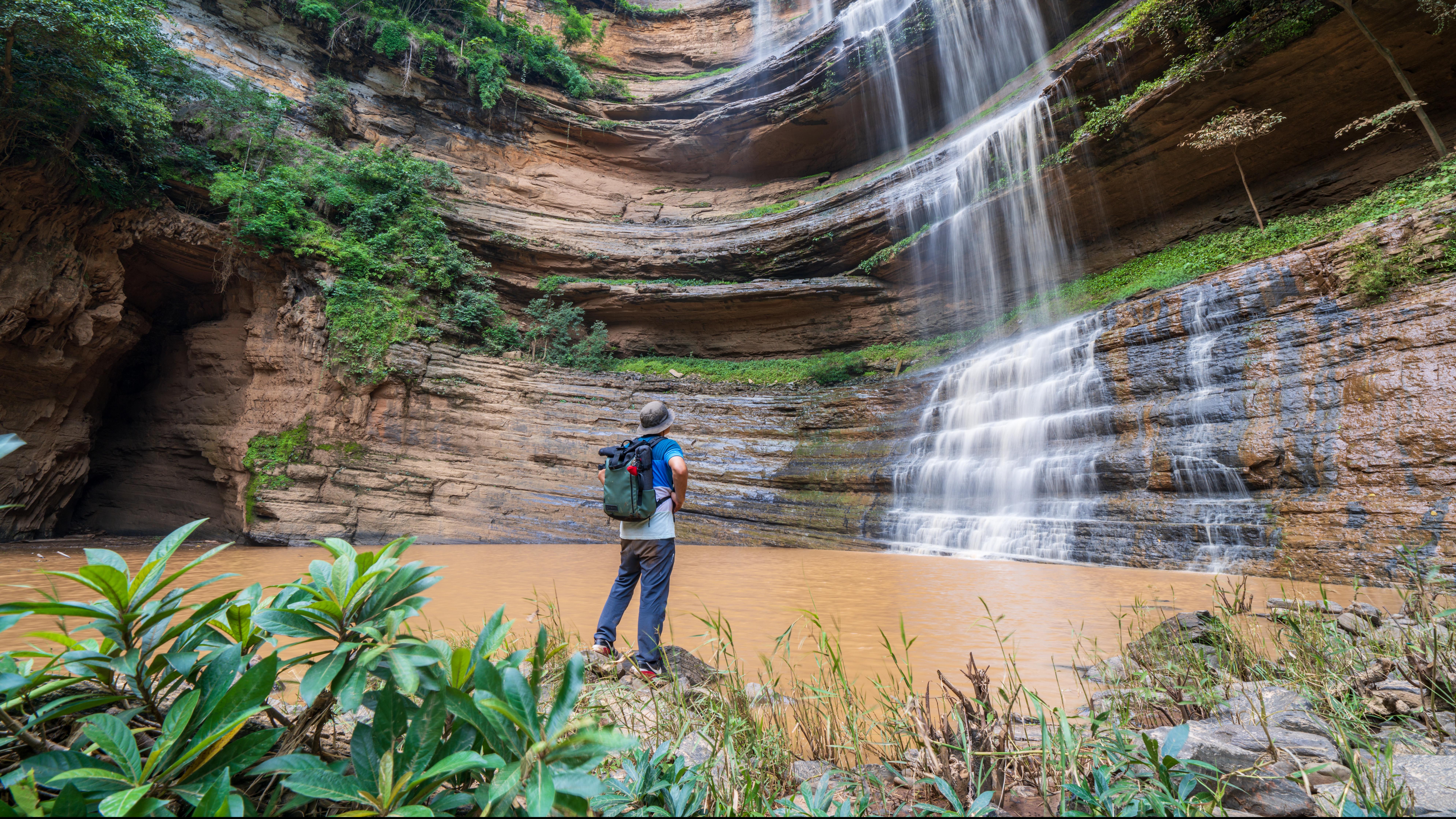 Phetchabun-Phu Pha Man National Park-Tat Yai Waterfall. Photo:- TAT
A Country Within a Country
Isaan is the largest region in Thailand, comprising 20 provinces and covering a total area of 168,000 square km. It is bordered by Laos and Cambodia to the north and east, respectively, by the San Kamphaeng mountains to the south, and the Phetchabun mountain range to the west. Within these natural borders lies the Khorat Plateau, a fertile agricultural area known as Thailand's "breadbasket." Despite dry climate conditions, it produces one of the world's most famous and expensive jasmine rice varieties (Hommali) for export.
However, Isaan is not just about rice; it is a country within a country, an "advanced Thailand" for those who have already visited its other parts. It's a place meant for those who want to travel at a different pace and meet locals from the poorest region of Thailand who are still rich in smiles and hospitality, tasty food, and culture.
The locals speak a unique language, with influences from neighboring Laos, Cambodia, and even Vietnam. They exhibit a distinct, darker appearance than other Thai people. Isaan's influence is noticeable throughout the kingdom. For example, the famous green papaya salad (Som Tam), popular all over Thailand, originates from Isaan.
While Isaan does not have the beaches of southern Thai islands or the northern region's lofty mountains or dense jungles, it has lakes, waterfalls, the banks of the mighty Mekong River, open spaces of endless rice fields, and peaceful villages amid colorful Buddhist temples. The usual noise, fast pace, and bustle of Bangkok are missing, yet beautiful and fascinating cities and towns worth visiting offer plenty of attractions and entertainment day and night.
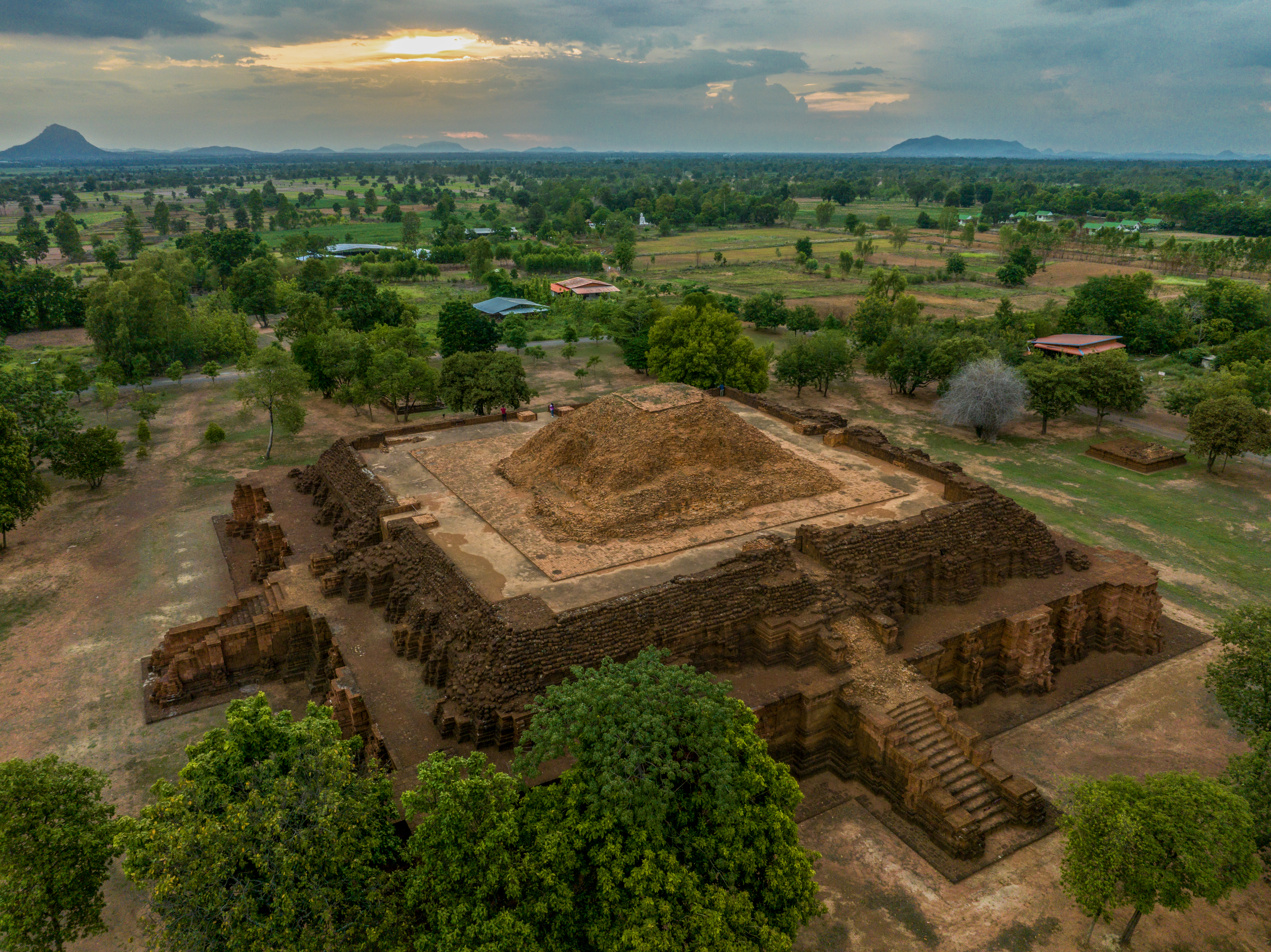 Phetchabun-Si Thep Historical Park-Khao Klang Nok. Photo:- TAT
The Big Four
The four major cities in Isaan are known as The Big Four: Khorat, Ubon Ratchathani, Udon Thani, and Khon Kaen. They all offer tourist services at various levels and a vibrant, youthful atmosphere thanks to their universities. Ancient temples like Phimai, Phanom Rung, and many more attest to hundreds of years of Khmer and Laotian rule and culture in the area.
Isaan also houses significant prehistoric archaeological sites, including Pha Taem, Si Thep, and Ban Chiang, where you can see 4000-year-old cave paintings, all of which are included in UNESCO's cultural heritage list. The fact that many sites and parks are close to the Mekong River adds a touch of magic to visits, particularly at sunrise and sunset.
Isaan also features 24 national parks, including large and impressive ones like Khao Yai, which offer a variety of attractions such as elephants, monkeys, wildlife, waterfalls, and forests. Its hiking and walking trails attract many visitors for day trips. This most visited park in Isaan is located 200 km from Bangkok, making it the main gateway for many tourists to the area.
Other well-known parks include Nam Nao, which features thick tropical forests and protected wildlife such as bears, tapirs, and even tigers. Phu Kradueng Park has spectacular hiking trails of various difficulty levels. In most national parks, you can also stay overnight at low prices, albeit very basic, and in some, you can also camp independently.
How to Get to Isaan?
For those short on time or preferring comfort, a short flight from Bangkok to most major cities in the region is available, including Ubon Ratchathani, Khon Kaen, and Udon Thani.
A train runs on two lines from Bangkok to Isaan. One goes to the city of Nong Khai, where you can cross the border to Laos, and the other to the city of Ubon Ratchathani. These lines also operate night trains.
Many companies offer bus trips to most cities in the area from most major cities in central and northern Thailand.
Rental cars are the most convenient and recommended way, as they allow you to both reach the area and visit various sites flexibly. Those who reach the area by public transport should consider renting a car or motorcycle. The roads in Isaan are of good quality, and the signage is relatively clear.
Noam Levy is a tour guide in Israel and abroad, a lecturer on tourism, and the owner of the travel agency "Compass Enterprises".
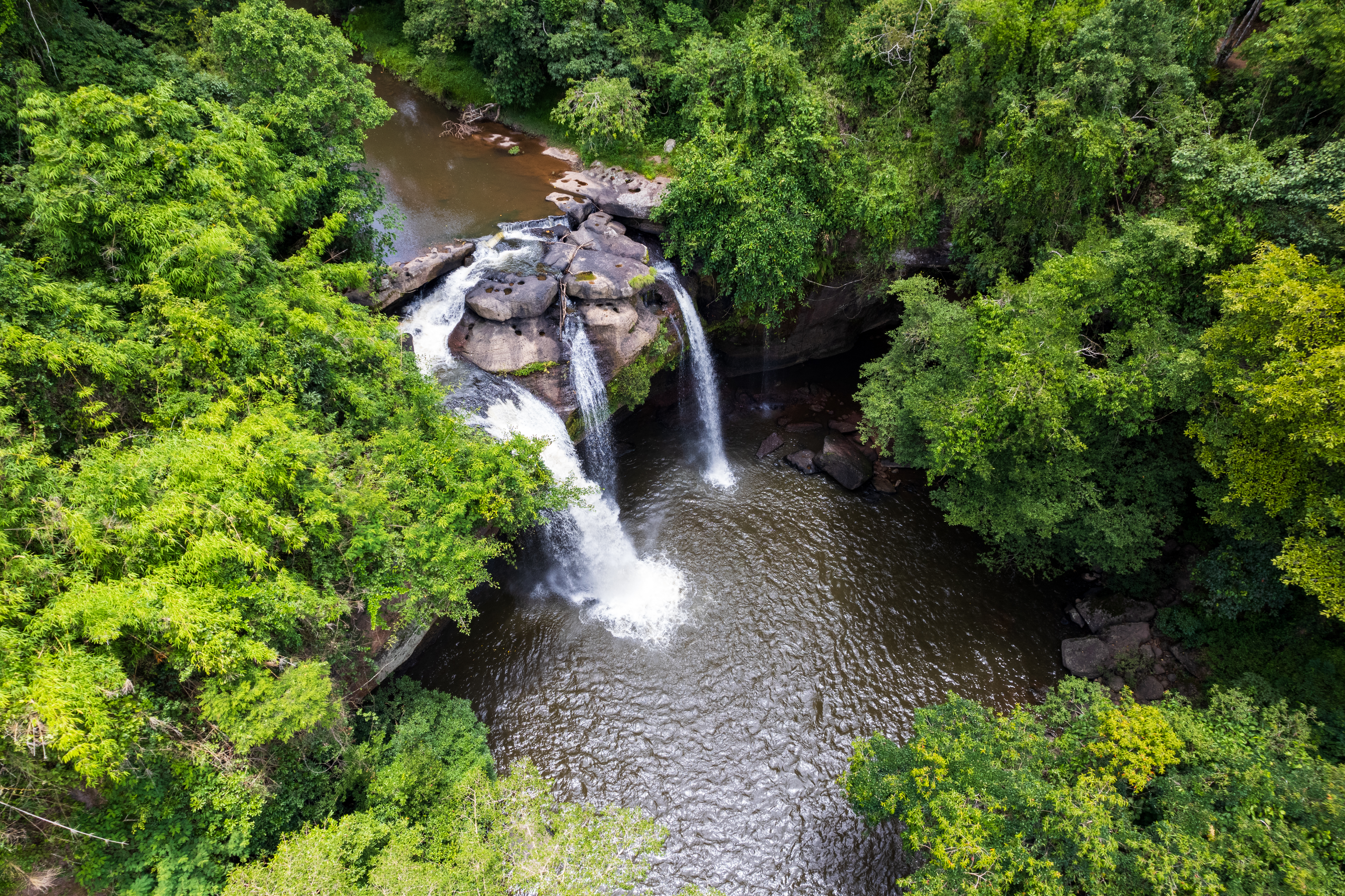 Nakhon Ratchasima-Khao Yai National Park-Haew Suwat Waterfall. Photo - TAT