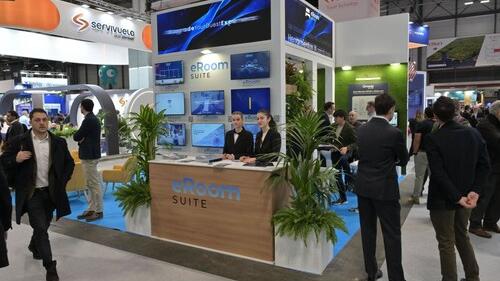
As the tourism world leans harder into digital tools, AI and more connected experiences, technology now sits at the centre of how destinations and businesses compete.
That shift is especially visible at the International Tourism Trade Fair (FITUR) 2026, where the Travel Technology area has become one of the main drivers of change across the entire event. Tech companies are stepping into roles that go far beyond support services, shaping the way travellers move, companies operate and new business models appear. The event will run from 21 to 25 January, giving that change a bigger stage than ever.
Biggest Edition Yet
FITUR 2026 is expected to be its biggest edition yet, bringing together more than 150 companies which have are already confirmed their presence, even with two months to go. That represents a 50% jump from last year. Exhibitors will come from more than 20 countries, including Austria, Brazil, China, Ireland, Israel, Italy, the UAE, the UK and the United States, reflecting how global the sector has become.
A major update for 2026 is the move to the new Knowledge Hub in Hall 12. This space is designed to bring innovation, training and business together under one roof. It’s where ideas around AI, automation, data, digital marketing, mobility and immersive experiences can cross paths with the people who actually put them to work.
The goal is to strengthen FITUR’s role as a place where the tourism industry and the tech sector can speak the same language and develop practical solutions instead of abstract predictions.
Visitors will find a mix of established leaders and newer innovators. Amadeus, Travelgate, Roommatik, Septeo, Juniper Travel Technology, BEONx, Tech Tourism Cluster and Roiback are all part of the 2026 lineup. Business France will bring a group of start-ups that show how fast new ideas are emerging, especially around automation and guest experience.
The rise of Travel Technology proves the broader shift taking place in tourism, with digital tools playing a major role in the way destinations remain competitive, hotels and operators work more efficiently, and travellers shape their journeys. Data-driven tools make it easier to personalise experiences, while automation and energy-efficient solutions help businesses cut costs and stay sustainable.
The fair, which is one of the leading global events in the tourism industry, will use this space to highlight how these elements connect, offering a meeting point for tech firms, destinations, investors and partners across the tourism value chain.
The IFEMA MADRID-organized event will once again reunite industry professionals, companies, destinations, and global organizations intersted in showcasing trends, innovations, and business opportunities.
The momentum behind Travel Technology shows that digital innovation is no longer a side topic in tourism. It’s one of the engines driving the entire industry forward.