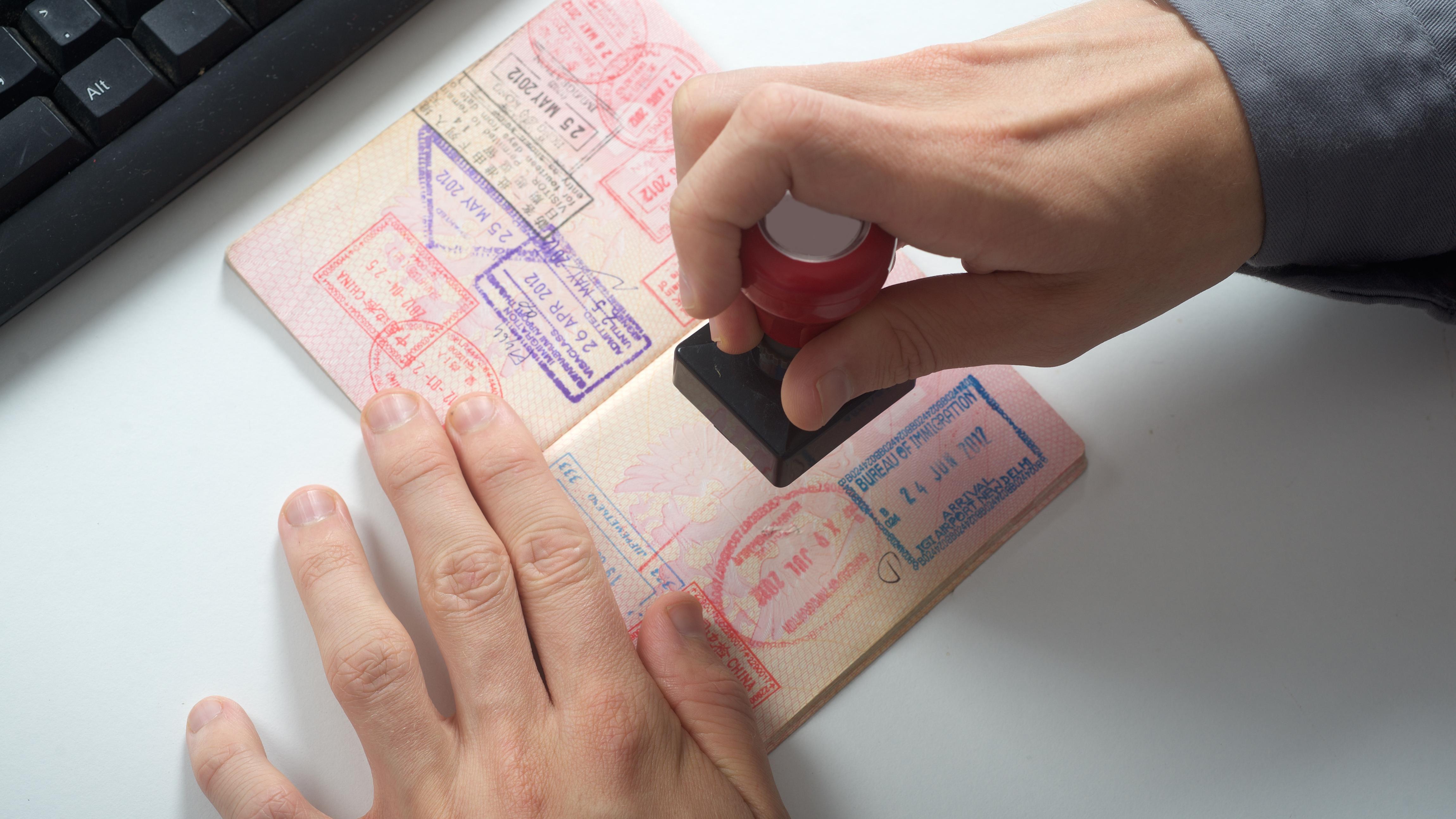
Starting February 1, 2026, the Transportation Security Administration (TSA) will allow travelers who do not have an acceptable form of ID to verify their identity using a modernized system called TSA Confirm.ID.
After paying a $45 fee designed to “come from the traveler, not the taxpayer”, and be used to “cover verification of an insufficient ID”, passengers will be able to establish their identity at airport security checkpoints and carry on with their travel plans. The process will cover a 10-day travel period. Paying online in advance should save passengers more time.
TSA stresses that the best way to avoid delays is to get a REAL ID or another approved form of identification.
“Identity verification is essential to traveler safety, because it keeps terrorists, criminals, and illegal aliens out of the skies and other domestic transportation systems such as rail,” said TSA Senior Official Adam Stahl.
“The vast majority of travelers present acceptable identification like REAL IDs and passports, but we must ensure everyone who flies is who they say they are. The security of the traveling public is our top priority, so we urge all travelers to get a REAL ID or other acceptable form of ID as soon as possible to avoid delays and potentially miss flights.”
Acceptable Forms of ID
Acceptable forms of ID include REAL ID-compliant state driver’s licenses, passports and passport cards, DHS trusted traveler cards, Department of Defense IDs, permanent resident cards, enhanced Tribal IDs, HSPD-12 PIV cards, Canadian provincial driver’s licenses, and several other federally recognized documents.
Temporary driver’s licenses are not accepted. Anyone unsure whether their ID qualifies should check with their state DMV before traveling.
TSA Confirm.ID will operate differently at each airport, and the agency is working to offer online payment options ahead of arrival. Passengers who show up without an acceptable ID or without paying the fee will still have the option to use TSA Confirm.ID at designated locations near security checkpoints, though they should expect longer processing times.
The REAL ID Act has been law for more than two decades, but proper implementation only took place recently. Today, more than 94% of travelers already carry an approved ID, but TSA wants to make sure everyone has a clear path to fly safely.
For more information, including the full list of accepted IDs, travelers can visit TSA.gov/travel/security-screening/identification, or learn about REAL ID at TSA.gov/real-id. TSA also provides assistance via text at 275-872 (“AskTSA”) or on social media at @AskTSA.