The climate reality in South Asia is much more severe than predicted, a new study says.
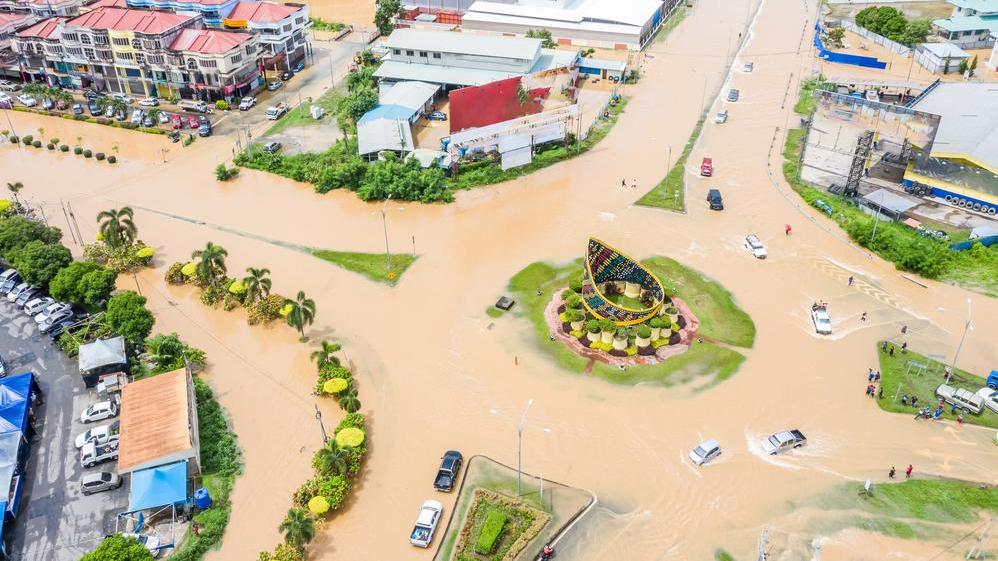
As you may recall, a series of tropical storms that struck Sri Lanka, Indonesia, Vietnam, Malaysia, and Thailand at the end of November caused widespread disasters, with over 1,800 deaths, hundreds of thousands displaced.
In Indonesia, Cyclone Senyar claimed the lives of around 1,200 victims, while Cyclone Ditwe led to the worst flooding and landslides in Sri Lanka since the early 2000s.
So did climate change make the South Asian floods inevitable? According to a new study by World Weather Attribution, the answer is yes, at least in part. Scientists have found a clear link between global warming and the extreme rainfall that has hit the region as a result of tropical storms.
The study notes that sea surface temperatures in the northern Indian Ocean were about 0.2 degrees higher than average over the past 30 years, an additional heat that provided storms with a lot of energy and increased their intensity, with the main conclusion: the recent events are not only statistically rare, but have become much more powerful due to the 1.3 degree warming in global temperatures since the Industrial Revolution.
Without global warming, scientists point out, the sea surface would be expected to be about a degree cooler, a change that directly affects storm intensity and evaporation, and ultimately rainfall intensity.
The study also highlights that human activity, particularly deforestation and construction in flooded areas, has significantly increased the extent of damage and the impact on the population. The researchers found that the affected areas experienced rainfall of "once in 30 to once in 70 years," and the data indicates a clear trend: the weather in the area is getting colder year after year.
According to the report, the intensity of extreme rainfall has increased significantly in the two regions examined: in Sri Lanka, an increase of 28% to 160% was measured due to warming, and in the Strait of Malacca region (Indonesia and Malaysia), an increase of 9% to 50% was recorded.
However, despite the clear strengthening trend observed in observations, most climate models still fail to consistently simulate the increase in precipitation intensity in these specific regions. The researchers note that the models may be missing important mechanisms in local atmospheric moisture and circulation cycles.
In other words, what is happening on the ground is more severe than what the models predict. This result is concerning to the scientific community, particularly against the backdrop of gloomy predictions for the future: if warming continues at the current rate, events like those that have hit South Asia could become much more common and more extreme.
Beyond the impacts of climate change, the report notes the increasing vulnerability of these regions due to settlement in low-lying areas, unplanned urbanization, and weak infrastructure. All of these exacerbate the impacts of extreme rainfall events.
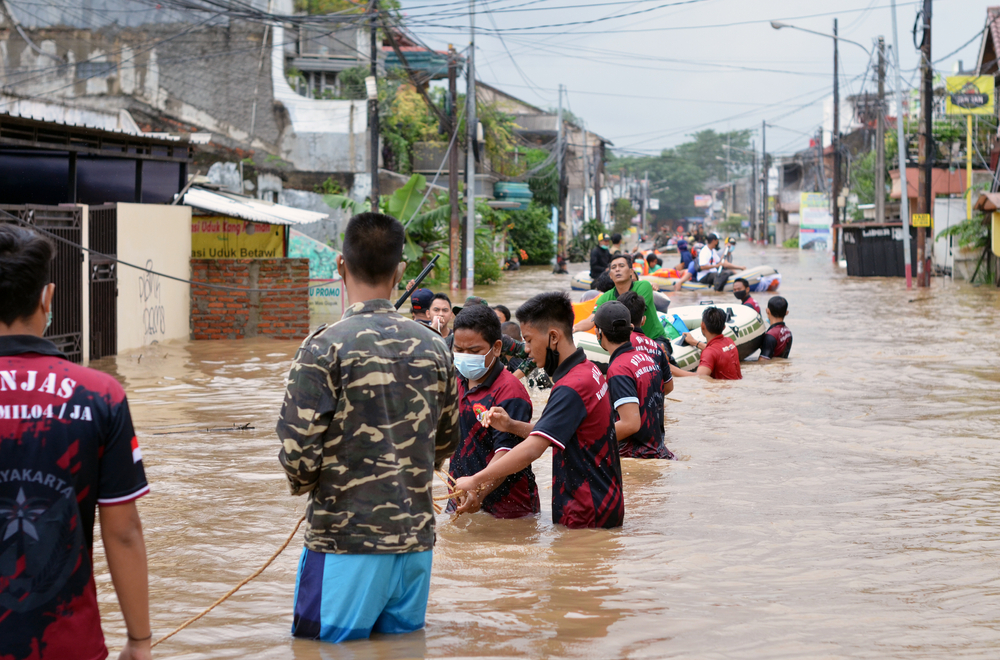 Flooding in Indonesia. Archive photo: Shutterstock / farzand0