In the last decade, surfing has moved out of the ocean and into city centers, shopping malls, and resort complexes, and the global tourism industry is facing a revolution.
Data from industry leaders, from WavePoolMag to Lakes Surf, Curl Rip and Surf Endless, indicate a sharp change: artificial waves are no longer a mere attraction, but an economic, cultural, and empirical engine for tourist destinations, hotels, and entrepreneurs. We have compiled five key trends, alongside practical insights for hoteliers, real estate developers, and guest experience managers.
1) Artificial waves as economic infrastructures, not just recreational facilities
The year 2024 was a record year, with nine surf parks opening worldwide. The market is divided into standing wave ($2-5 million) and giant wave lagoons ($15-25+ million). The economic impact is easy to notice: $194.7 million a year in revenue in Santa Cruz, occupancy rate boosts around wave pools in Europe, and O2 SurfTown MUC in Munich turned into a major employment hub.
Why is this happening? The answer is a number of reasons, including perfect weather all year round, and attractions for events and sponsorships. What do we do with it? Stay & Surf packages, youth leagues and family events, dedicated shops, photography, training, and a recovery spa.
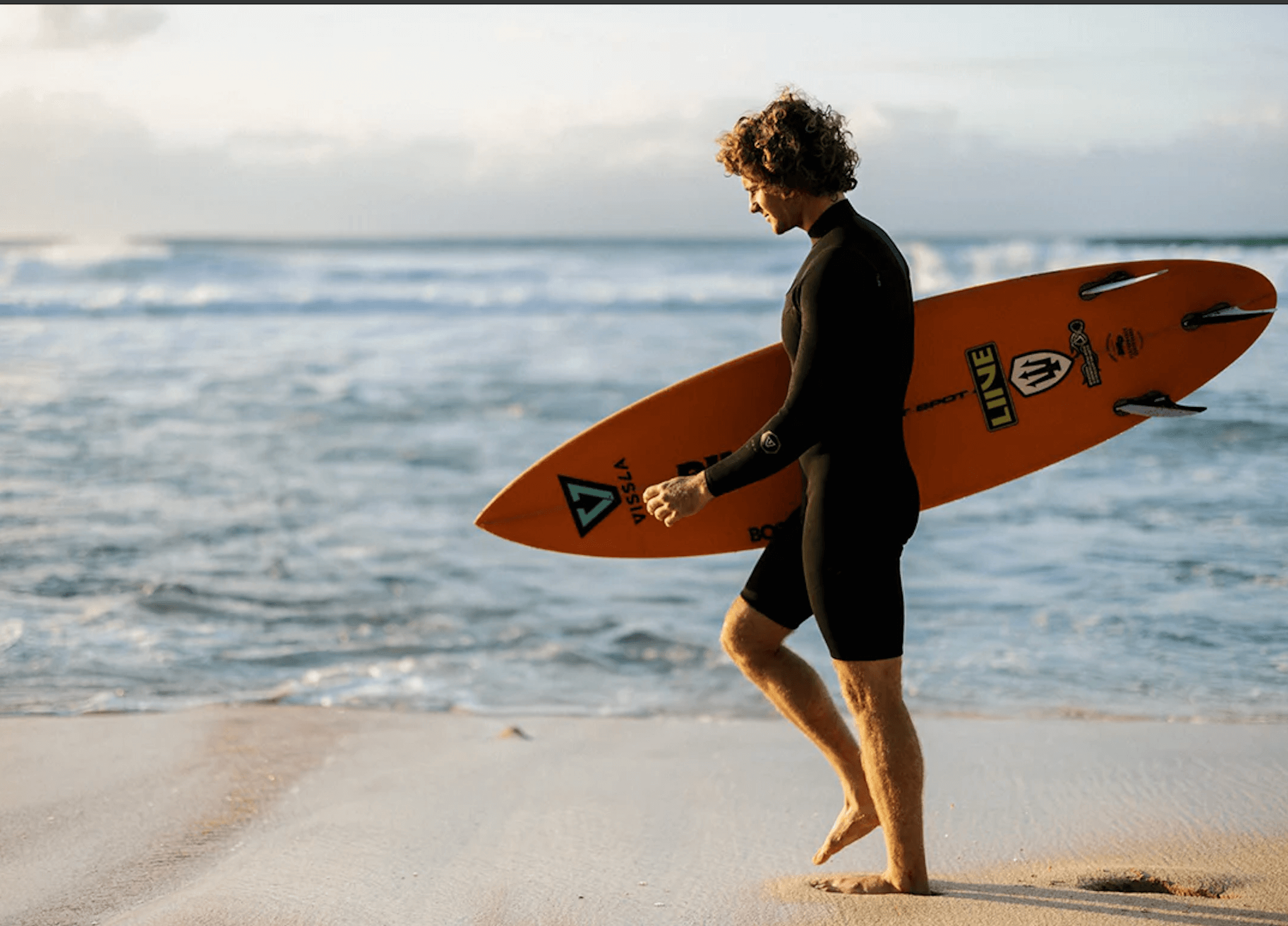 Photo: Courtesy of Vissla / Liam O'Brien
2) The waves as real estate anchors, similar to ski cable cars
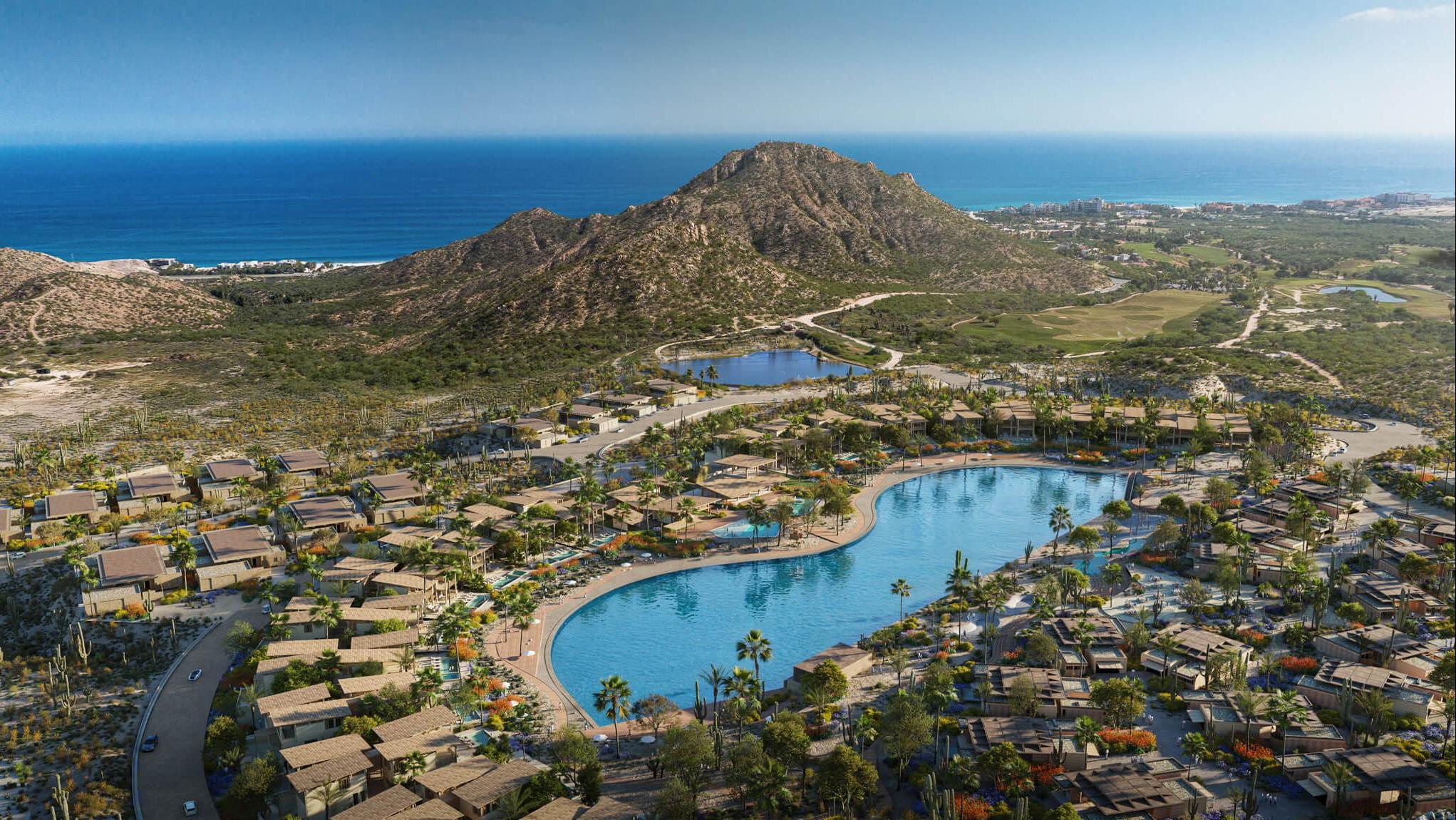
Wave parks are becoming an anchor for real estate development. Surf Lakes currently operates a model with a private district for subscribers alongside public access. In Mexico, Club Surf Real Cabo was built around the Endless Surf Lagoon with hundreds of housing units, a beach club, and a golf course. What developers can do: create a “seafront” even without the sea, create diverse sources of income (subscriptions, events, courses, photography), and build local communities around shapers, curatorial shops, and a members’ club.
3) The custom wave via real-time programming
The biggest technological revolution has been reached through live programmed waves. For example, Surf Endless’ Studio Swell system allows you to change height, speed, and angle in real time. This translates to professionals getting dedicated sections, teams training under uniform conditions, families enjoying convenient timings, and events creating a common lineup for amateurs and pros. For brands and hotels, this is an opportunity to create unique experiences through personal wave sessions, brand films in a controlled environment, and social day types of events with music, lighting, and DJ Wave.
4) No more clichés: brands are returning to authenticity
In the age of AI, many brands sound the same. Surfing is reclaiming authenticity through an active community, support for local shapers, and time in the field. Automotive brands like Lexus, Rivian, and Polestar are already identified with surf culture, minimalism, sustainability, and aesthetics. The market is shifting to a brand voice that is authentic, community-based, and less “smeared.”
5) Sustainability and community resilience: a must, not an option
Urban surfing requires responsibility: recycling suits (Vissla's Exchange Stoke), environmental transparency, preventing economic leakage, and creating a local employment circle. Things that make a difference: regular impact reports, social KPIs, youth inclusion, and preference for local suppliers.
The new facilities are designed so that 13-year-olds, amateurs, and pros can surf together. Opportunities for hoteliers: private sessions for families, conferences with “First Wave at 7:00 AM,” and youth leagues in collaboration with domestic brands.
A Lesson From the Ski and Golf Market
Just as cable cars built towns and golf courses created entire ecosystems, wave pools create an economic engine with predictable revenues, annual operations, and a permanent community. That's why the big investors are already in.
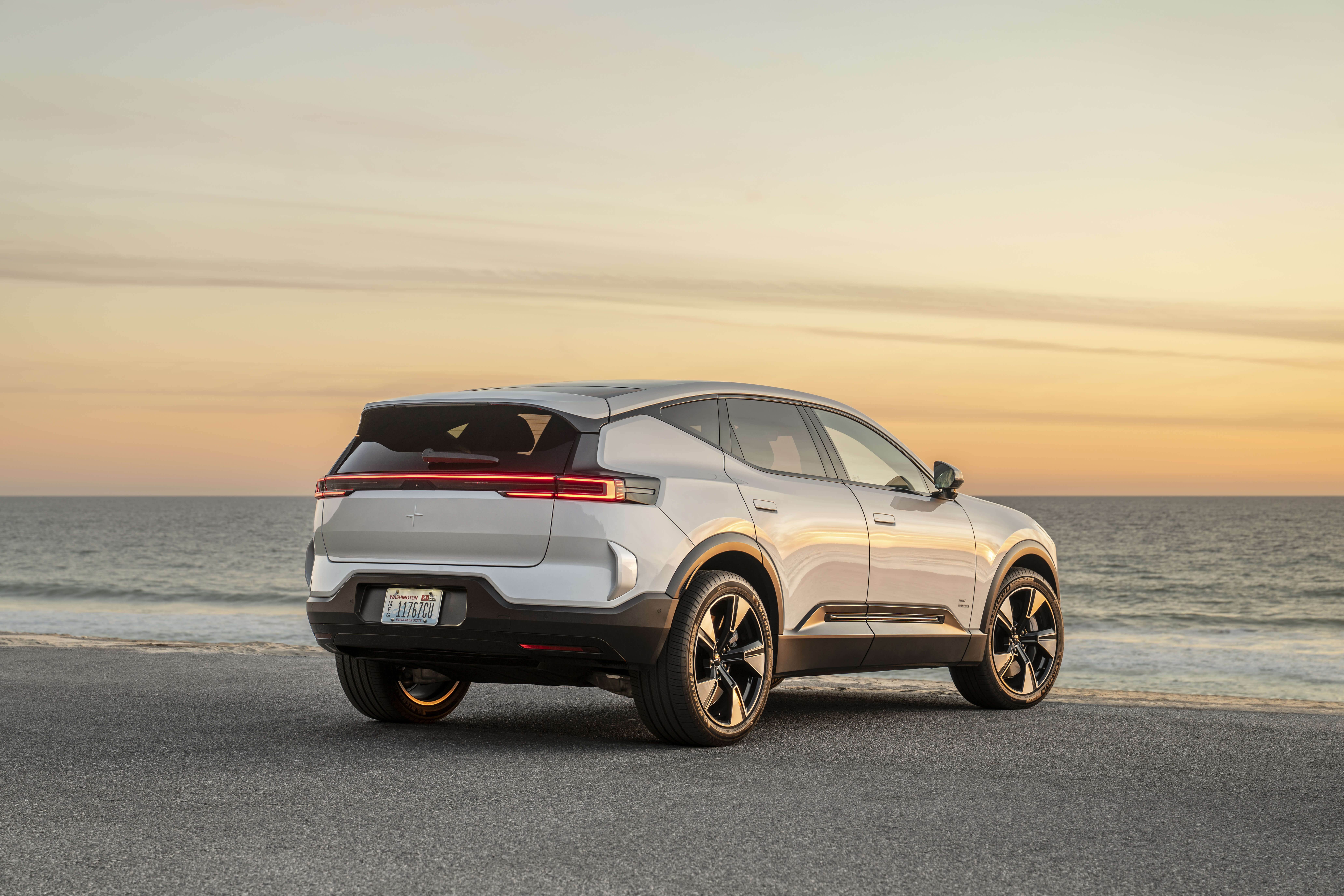 Photo: Courtesy of Polestar Global
Summary
The 2025 wave is a combination of technology, experience, real estate, and community. It allows for extended seasons, creating experiences that are independent of weather, and building brands that tell a real story, one that takes place on the deck, not on the screen. Ultimately, people can sit on a wooden deck, enjoy good music, and a fun wave that puts a smile on their faces.