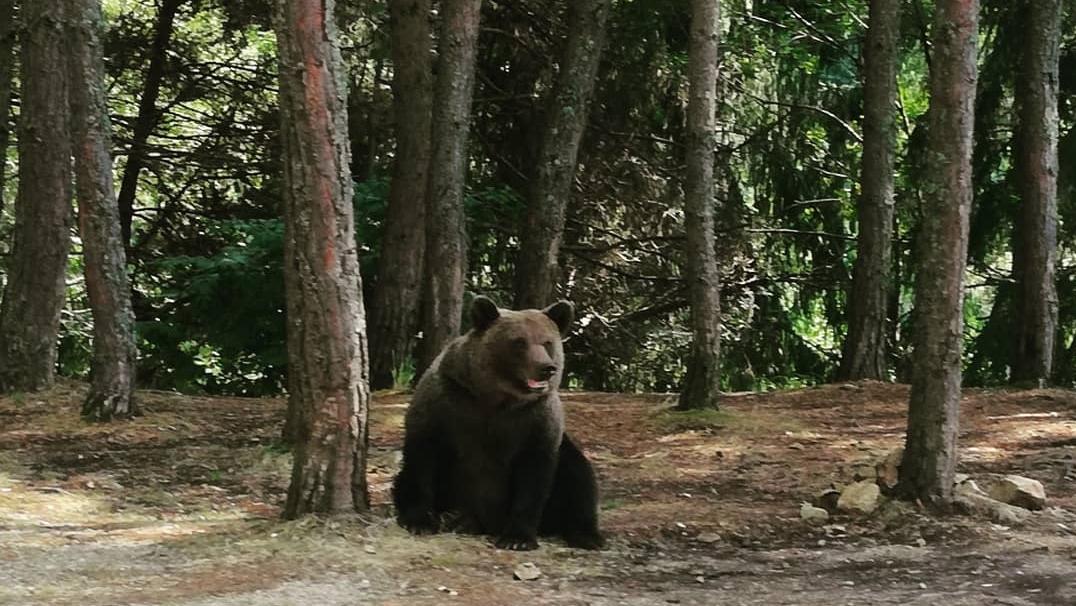
At the start of December, a driver in Brașov, Transylvania was struck by an image he's going to have a hard time forgetting anytime soon: a bear showed up in front of his car while in traffic. The majestic animal we'll call Martin was spotted in the center of the city in broad daylight. Authorities were already on alert after another majestic brown bear was spotted a few days earlier in the parking lot of a shopping mall. While it's not clear whether Martin visited the mall or another bear did, one thing is certain: this is not an isolated bear-sighting case.
Romania, the Brown Bear Haven
Romania hosts between 10,500 and 13,000 brown bears, according to a national genetic study conducted by the “Marin Drăcea” National Institute for Research and Development in Forestry.
The number represents, according to experts, "the largest brown bear population in Europe," while the "optimal number" should be around 4,000, further explained Environment Minister Mircea Fechet.
Stories of bears descending from forests and entering people’s yards, where they terrorize local residents, are as real as they can be.
The situation is critical in tourist resorts such as Predeal and Poiana Brașov, where bears frequently enter villages and even schoolyards. Roxana Cojocea, President of the Poiana Brașov Tourism Organization, warns: “Tourism is being affected by tourists’ fear of bears. Parents are asking whether it’s safe to send their children to camps in the Brașov area.”
Tourists Who Seek Bears for the Thrills
However, there is another category of tourists who choose to visit Romania specifically to see bears.
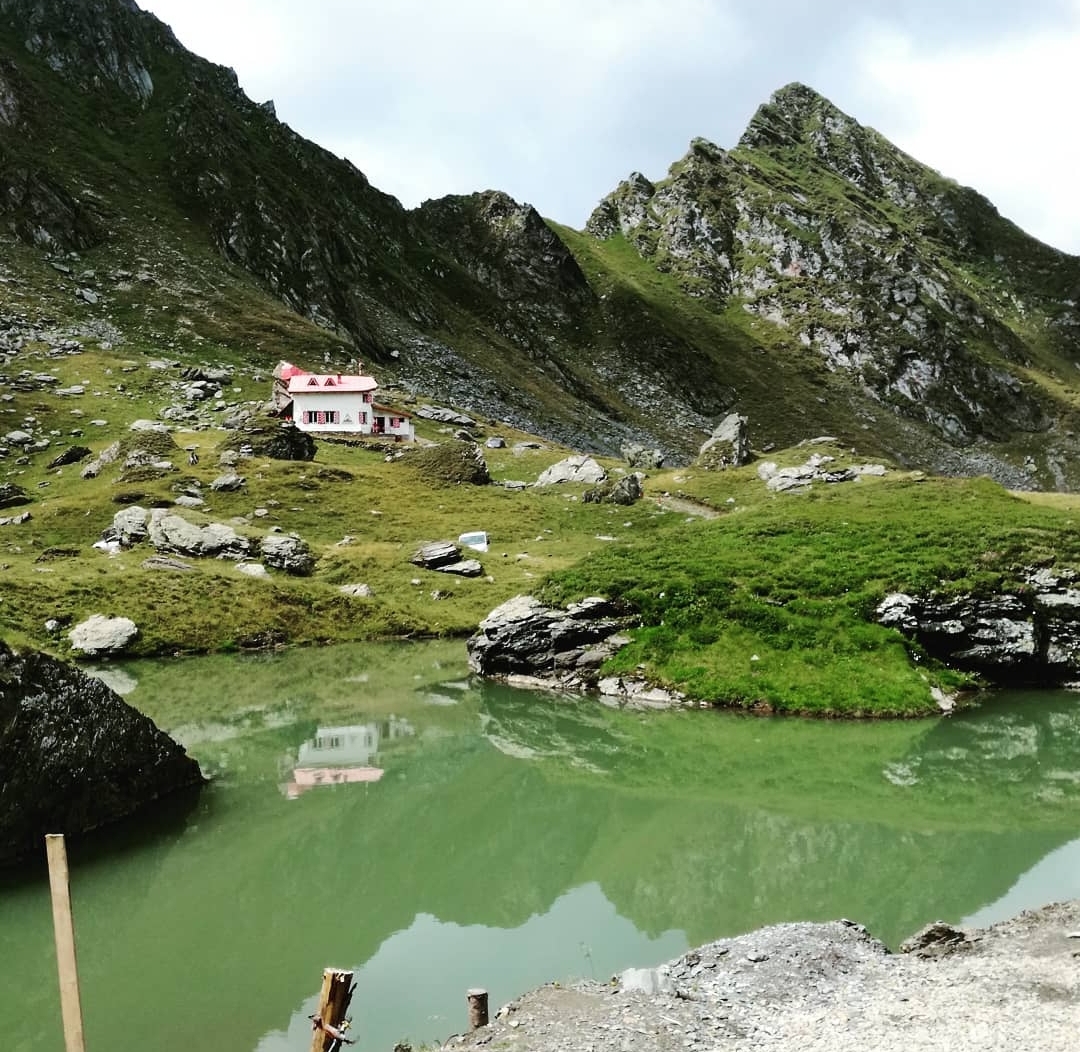 Balea Lac, Romania. Photo: Alex Igna (personal archive)
Unfortunately, they do not realize the danger they expose themselves to when getting too close to wild animals.
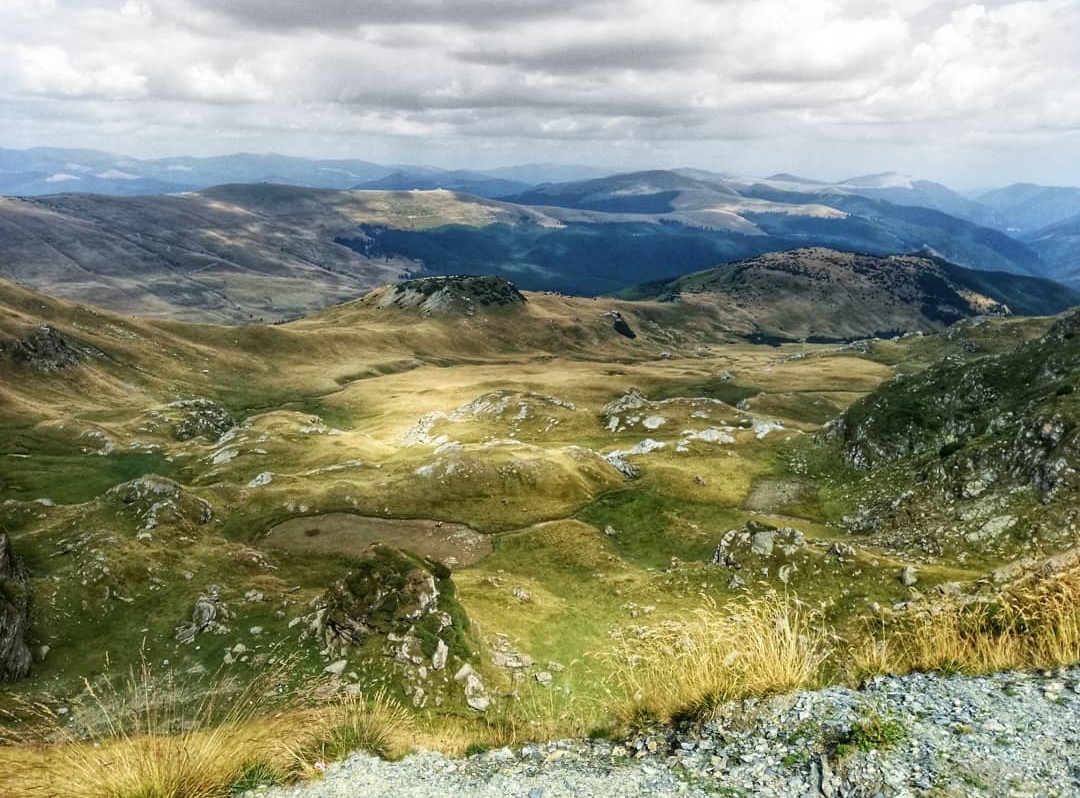 Translapina Road, Romania. Photo: Alex Igna (personal archive)
Such dramatic scenes can be seen almost daily along the spectacular Transfăgărășan and Transalpina roads in the Carpathian Mountains, where bears put on a show along the breathtaking roadside that attracts tourists on their way to Balea Lac and other locations in the area.
Deadly Encounters
However, not all encounters are positive. At the start of July, an Italian motorcyclist died after he was attacked by a female bear he had approached to photograph. The man had traveled to Romania specifically to see the bears in the Carpathians. More recently, a Polish tourist was bitten by a bear near a hotel in Arefu, Argeș County, while trying to feed it. In that case, the man survived.
But it's not the mountain regions that have become the favorite walking grounds for bears.
The National Institute for Research and Development in Forestry collected DNA from more than 24,000 fecal and hair samples across 25 counties, with more than 600 people. Results showed that bears are present across most of the country, including areas previously considered unusual for them, such as Brăila, Galați, and Vaslui.
Bears Leave Natural Habitats to Protect Their Cubs
According to Professor Ovidiu Ionescu, female bears with cubs leave forests densely populated by males and search for food near villages or farmland. “To protect their cubs, females leave their natural habitat and move into agricultural or urban areas where food is available,” says the professor.
Authorities recommend tourists follow simple rules to avoid getting into trouble with bears:
- never hike alone
- make noise while in the forest
- store food securely
- avoid eating in wooded areas
- carry bear spray if available
If they encounter a bear, tourists should stay calm, make noise, slowly back away while facing the animal, and avoid feeding them or trying to take their picture.
Finding Solutions
The Ministry of Environment has proposed simplifying procedures for shooting or relocating dangerous bears, emphasizing that rapid intervention is essential in populated and tourist areas. Only aggressive bears or those accustomed to seeking food in villages will be targeted to protect both humans and animals.
WWF Romania, however, recommends focusing on prevention, citing the example of Băile Tușnad, where fruit trees in public areas were removed, electric fences were installed, and problem bears are now monitored via GPS collars.