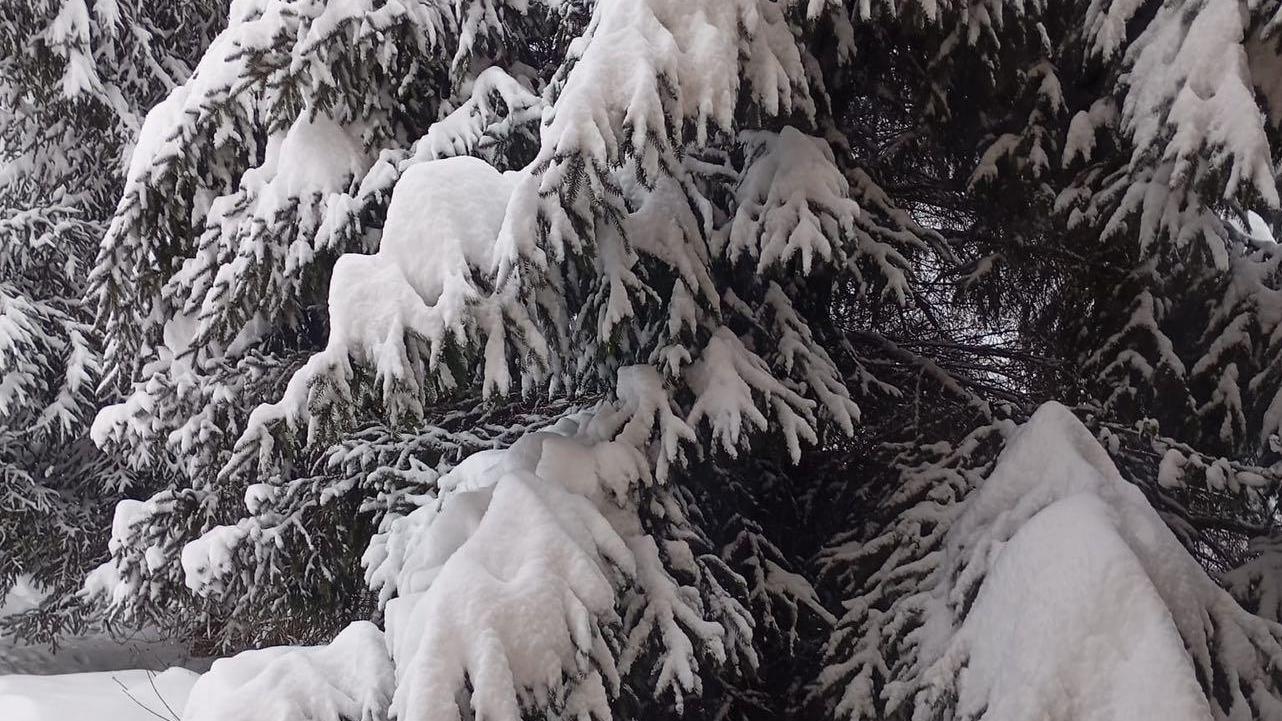
As winter storm can definitely turn your life upside down fast, especially when the extreme cold also brings with it hit heavy and oftentimes paralyzing snow fall, ice, freezing rain, and strong winds, and they all take you by surprise. Besides messing up travel plans, ruining your work or school commuting schedule, or making you miss your doctor’s appointments, snow storms can cause serious a plethora of more serious and potentially life-threatening problems.
With common issues like power going out and basic services shutting down, it is essential to know how to be proactive and set yourself and your home up for the next blizzard coming your way. While, in recent years, the climate crisis has made winters gentler, warmer and more moist, but this also frequently translates to heavier snowfalls and storms of higher intensity.
Here is what the American Red Cross advises.
Stay Updated with Bad Weather Alerts
Keep your eyes on fresh weather alerts announcing winter storm, as these warnings mean dangerous conditions are happening or will begin within 24 hours.
A blizzard warning signals severe winds and blowing snow that can reduce visibility to near zero for hours. Other terms to watch for include winter storm watches, which signal possible trouble within two days, and winter weather advisories, which point to hazardous but less severe conditions. Wind chill is also important, as it describes how cold it actually feels on exposed skin, not the temperature on the thermometer.
Keep Warm
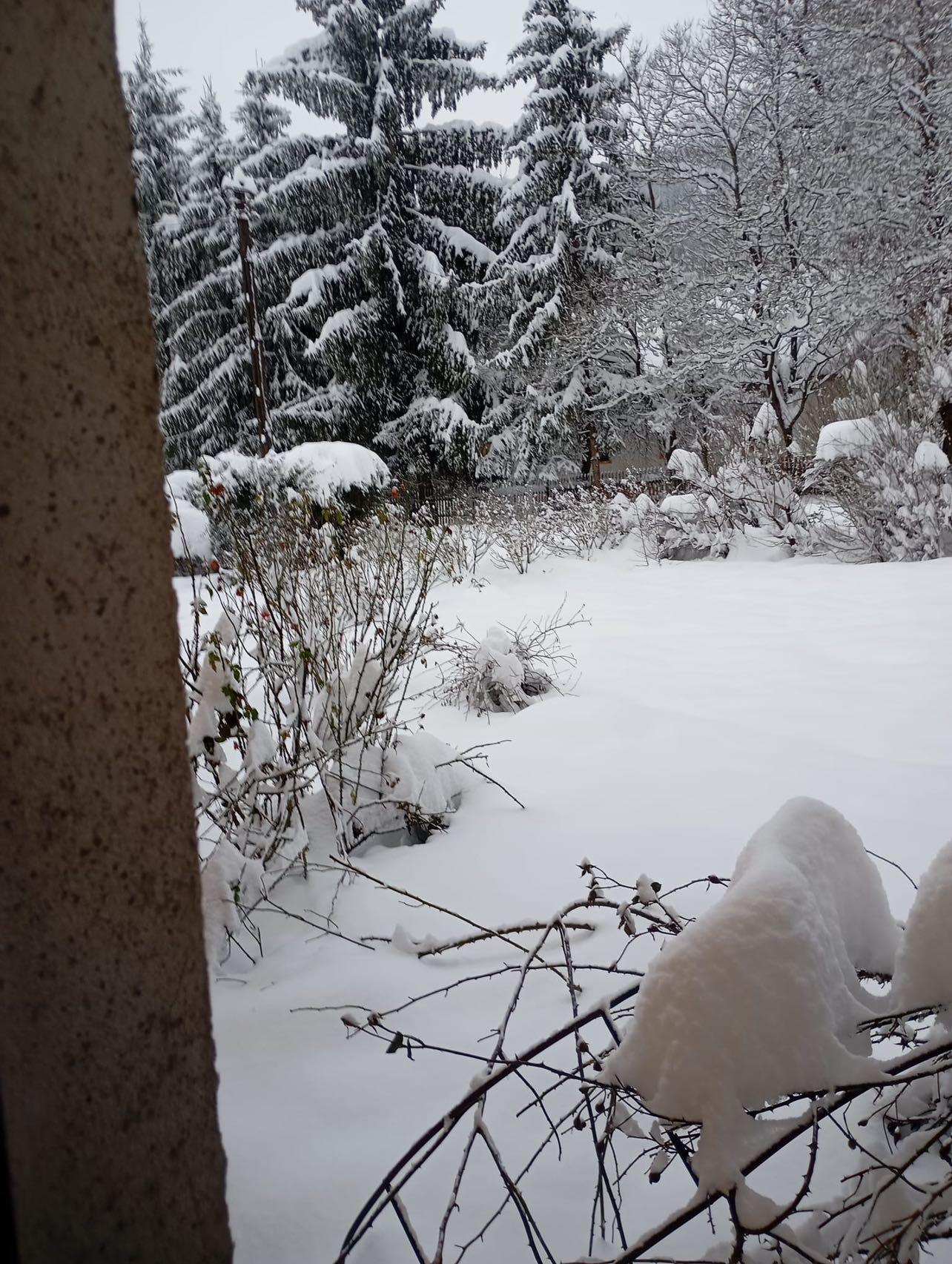 Snow. Photo: Alex Igna
Staying warm should be your top priority. Befire the cold season comes, be sure that your home heating system works properly and seal any drafts with the right insulation or weather stripping wherever possible.
Use indoor thermometers to keep track of temperatures and remember to check in on neighbors, especially older adults and families with babies.
Drink warm fluids, skip alcohol, and avoid unnecessary travel. If you must go outside, put on tight layers and keep your face, hands, and feet covered. Those areas are most vulnerable to frostbite.
Have Backup
Have a backup plan if your home becomes too cold. Know where nearby warming centers, libraries, or friends’ homes are located.
Stock up on food, water, medications, and essentials before storms hit. Be sure to keep a small go kit ready with a few days of supplies if you need to leave, and a larger stay at home kit with enough for at least two weeks.
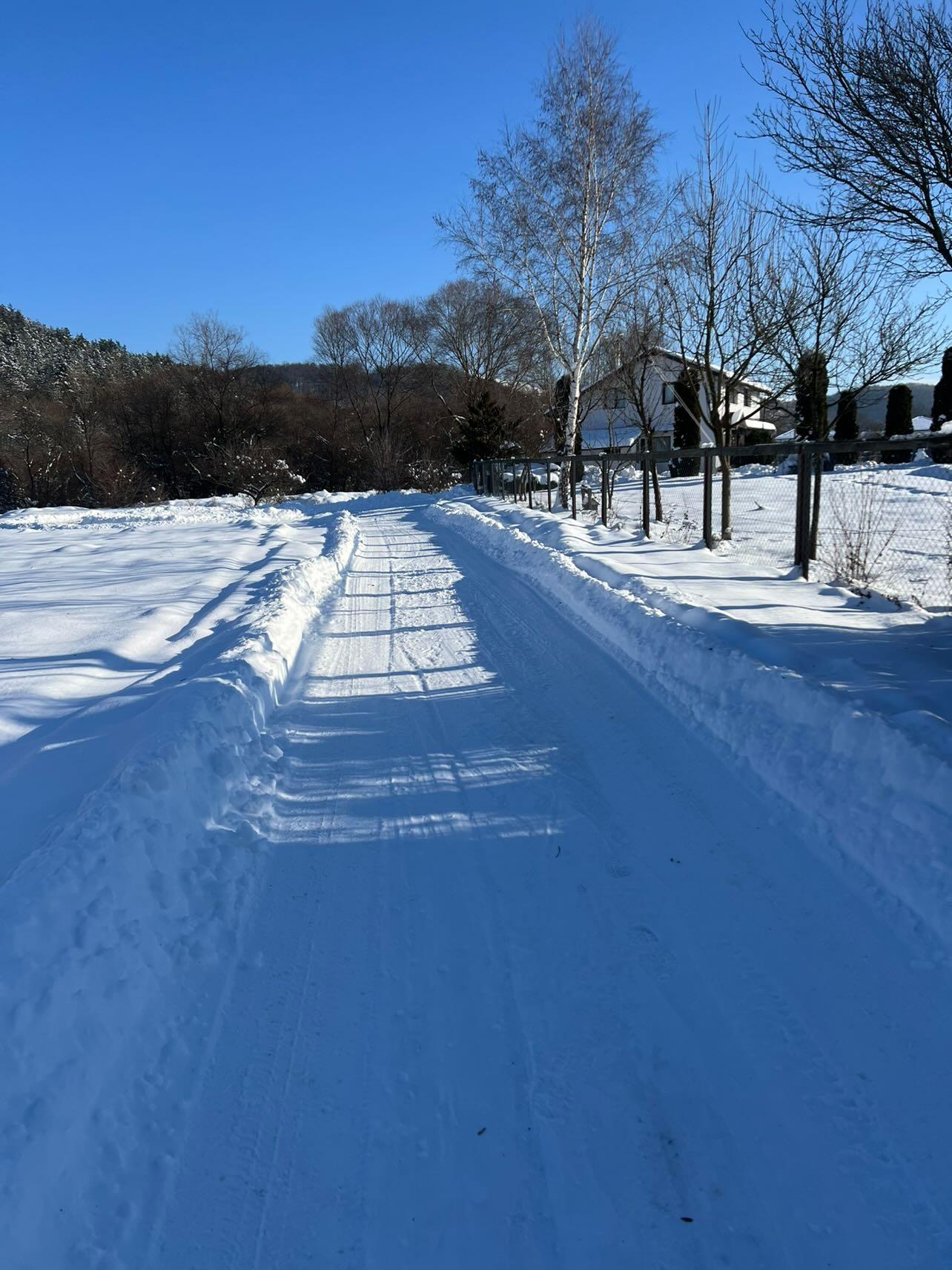 Snow in the winter. Photo: Alex Igna
Set aside one gallon of water per person per day. Make sure you have blankets, hats, gloves, and sturdy boots. If you drive, keep emergency items in your car as well.
Learn Basic Emergency Skills
Know how to recognize frostbite (pain, numbness, changes in skin tone) and hypothermia (shivering, confusion, slurred speech, dorwsiness) and act on it.
In case you or someone else is showing signs of hypothermia, do the following:
- call your local emergency number
- carefully move the person to a warm place
- observe breathing and circulation
- give CPR or rescue breathing if necessary
- remove wet clothing and dry the person
- warm the person using blankets, dry clothing, and hot water bottles wrapped in towels or blankets
In case of frostbite, do the following:
- move the person to a warm place
- gently warm the affected area using area using water (100–105 degrees F or 37.8°C to 40.6°C) until it it red and warm again
- use dry and sterile dressing for bandage
- separate fingers or toes affected by frostbite with dry and sterile gauze
- do not break blisters
- prevent affected areas from refreezing
Finally, stay connected by signing up for local alerts, follow weather updates, and make sure you have a way to charge your phone during outages. A little planning now can go a long way when winter shows its worst side.