The serious incident in early January 2026, during which Greek aviation was shut down and the country's airspace was closed due to frequency issues, shook the Greek aviation industry.
Following the publication of the investigative committee's report on the matter and the resignation of the head of the country's Civil Aviation Authority, other airports have expressed dissatisfaction with the situation.
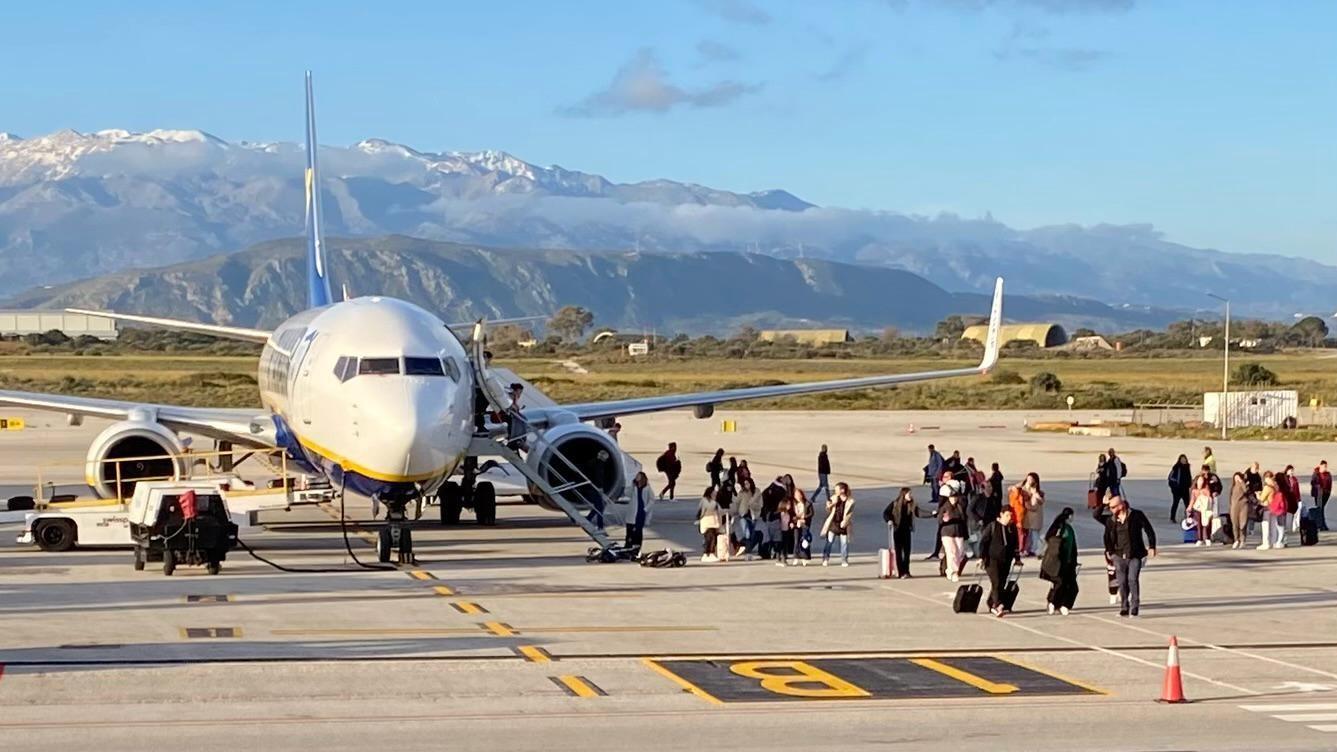
During a meeting held between the Chania Chamber of Commerce and the Deputy Minister for Infrastructure and Transport, Konstantinos Kyranakis, those present expressed their concern about the operation of Chania, the secondary airport in Crete after Heraklion.
"We are pleased to see the excellent progress in the implementation of the large airport project in Kasteli-Heraklion, which will be an important hub for aviation in our region... but safety is a critical variable in tourism and aviation in any destination. The recent images of the closure of national airspace shortly before the start of the tourist season have raised great concern among all of us regarding the readiness and reliability of the technological means currently available to civil aviation."
The Chania Chamber of Commerce expressed concern about another incident that could harm aviation in the country, including during the tourist season, saying: "So far, the radio frequency systems at the airport have not been upgraded and the long-standing issue remains unresolved. A modern approach radar in Chania is critical to our future. The new radar could double the landing capacity at the airport."
As you may recall, on January 4 of this year, following communication problems in the flight control systems in Greece and the closure of Greek airspace, there were severe disruptions to takeoffs and landings at airports in the region. This also caused delays in baggage conveyors. It was not until around 5:00 PM that aviation in the region returned to normal.