Europe will not hit its 2030 deadline for completing the core Trans-European Transport Network (TEN-T). The conclusion was reached through a new report from the European Court of Auditors published on January 19. Auditors assessed eight major infrastructure projects across the EU and found a familiar pattern: costs have skyrocketed, timelines have slipped, and the gap between plans and reality has widened considerably.
The projects under review include four large rail schemes that form the backbone of the TEN-T core network. Every one of them has become significantly more expensive and slower to deliver than originally promised. Many of the issues flagged in a similar ECA report back in 2020 have only intensified since then, made worse by the Covid-19 pandemic, among others. Together, these crbrenises disrupted supply chains, drove up material prices, reduced available labour, and slowed construction across the continent.
Striking Numbers: 82% Cost Increase
The eight projects have seen an average real cost increase of 82% compared with their initial estimates, marking a sharp jump from the 47% increase reported four years ago.
Two rail projects in particular stand out. One of them is Rail Baltica, designed to connect the Baltic states with Poland via a new standard-gauge line, which recorded a 160% cost increase in just six years. Its first phase alone is now priced at €23.06 billion ($27.59 billion), nearly four times the original estimate for the entire project. The second is the Lyon to Turin rail link, which has also grown more expensive, with costs up 23% since 2020 and now estimated at €15 billion ($17.94 billion).
Despite these overruns, EU financial support has continued to rise. Since the 2020 report, the eight projects have received an additional €7.9 billion ($9.45 billion) in EU grants, bringing total EU funding to €15.3 billion ($18.30 billion).
Massive Delays Expected
For the five projects where comparable data exists, completion has slipped by an average of 17 years. In 2020, that figure stood at 11 years. Spain’s Basque Y high-speed rail project is one of the clearest examples. Initially expected to open in 2010, and later revised to 2023, it is now unlikely to be operational before 2030, with 2035 seen as more realistic.
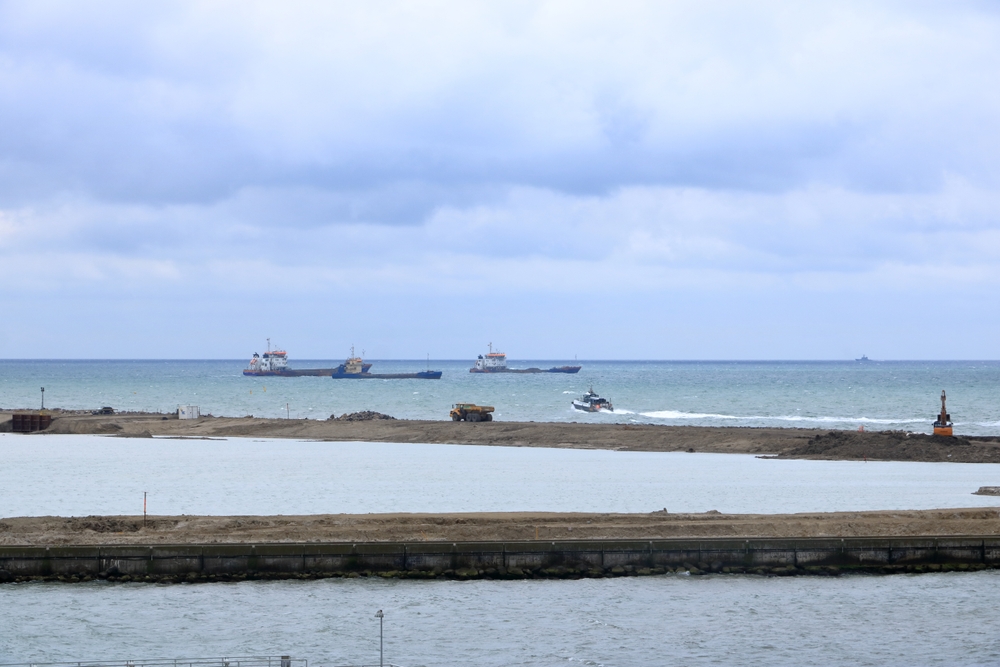 New port facility for the Fehmarnbelt Tunnel Link project that will link Denmark and Germany. Photo: Dynamoland / Shutterstock
The Lyon to Turin line is currently scheduled for 2033, the Brenner Base Tunnel for 2032 at the earliest, and the Fehmarn Belt fixed link between Germany and Denmark no earlier than 2031. Rail Baltica is now only expected to complete its first phase by 2030, with no clear end date for the full project.
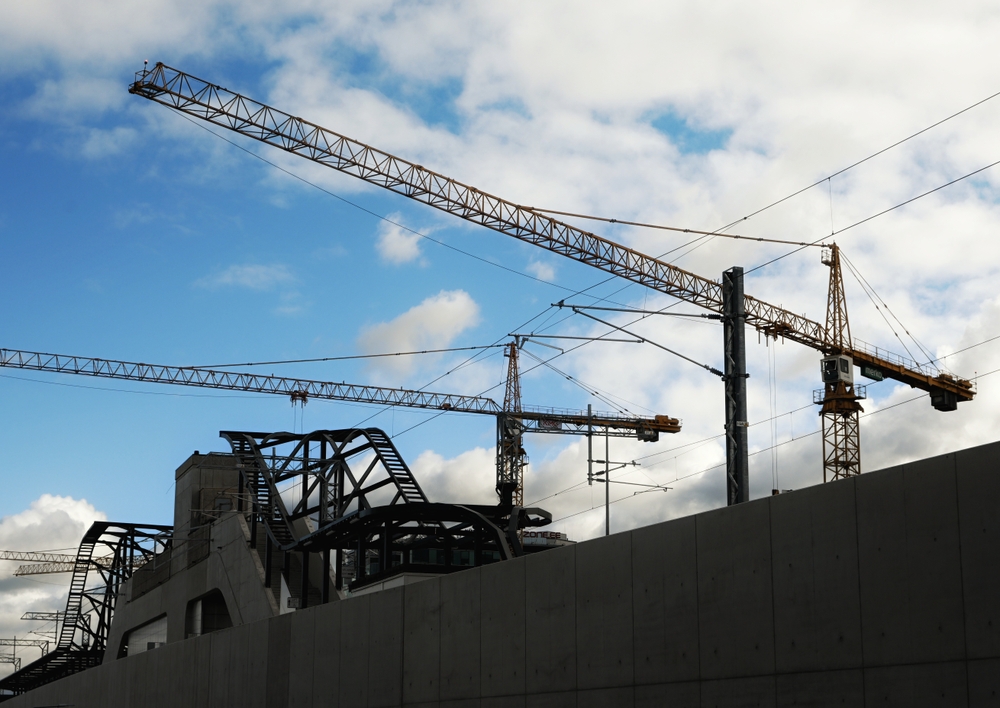 Rail Baltica. Photo: Tom Brennecke / Shutterstock
Speaking at the report’s presentation, ECA member Annemie Turtelboom underlined how difficult these projects are to manage, describing them as “technically demanding, financially heavy, and highly dependent on cooperation between many actors.” While welcoming the stronger framework, she added, “The toolbox has improved, but the projects we examined are already too advanced for these tools to reverse the trend.”
She warned that “Europe cannot afford more decade-long delays for critical transport links,” stressing their importance for mobility, the single market, and long-term resilience.
“EU transport flagship infrastructures are supposed to reshape Europe, bringing people closer together and facilitating economic activity”, she said, adding, “three decades after most of them were designed, we are still a long way from cutting the ribbon on these projects, and a long way from achieving the intended improvements in passenger and freight flows across Europe.”
Some Projects Are on Track
The European Commission, however, pointed to cases where progress has been steadier, such as Poland’s E59 railway upgrade, which remains on track for completion by 2030. It also noted that cost estimates for several projects have stabilised or even fallen since 2020.
“Many of the relevant TEN-T projects are expected to be completed by 2030 or close to that date,” the Commission said, adding that predictable funding remains essential to keep work moving and coordination intact across the EU.