When visiting Poland for the first time, many tourists opt for the city of Warsaw and, rather frequently, a moving tour of the extermination camps, a reminder of the Holocaust and World War II era.
But this time, allow us to introduce you to Gdansk, a destination I'm not sure you've considered, but one that is increasingly emerging as the next big thing in Poland, in particular, and in Eastern Europe in general. The city is slowly becoming a gateway and starting point for a wide range of destinations across the European continent.
A Mesmerizing City
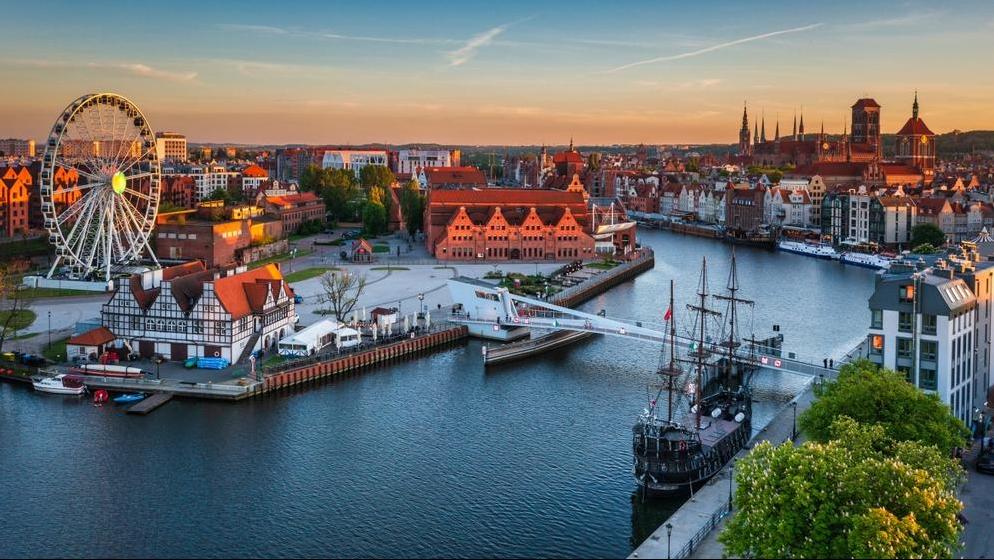
Gdańsk is located in northern Poland, at the confluence of the Motława River and the Bay of Gdańsk on the Baltic Sea. It is known as the nerve center of the "Tri-City" (Trójmiasto), a metropolis comprising historic Gdańsk, the luxury resort town of Sopot, and the modern port city of Gdynia.
Culturally, Gdańsk is a city with a rather unique identity. For centuries, it enjoyed the status of a "free city" and was a key member of the Hanseatic League (a European trade league), which gave it a cosmopolitan character and architecture more reminiscent of Amsterdam or Antwerp than classical Polish cities.
Beyond its beauty, Gdańsk is a symbol of freedom: it was here that the first shots of World War II were fired (at Westerplatte), and here the "Solidarity" movement, led by Lech Walesa, emerged, ultimately contributing to the fall of the communist bloc in Europe.
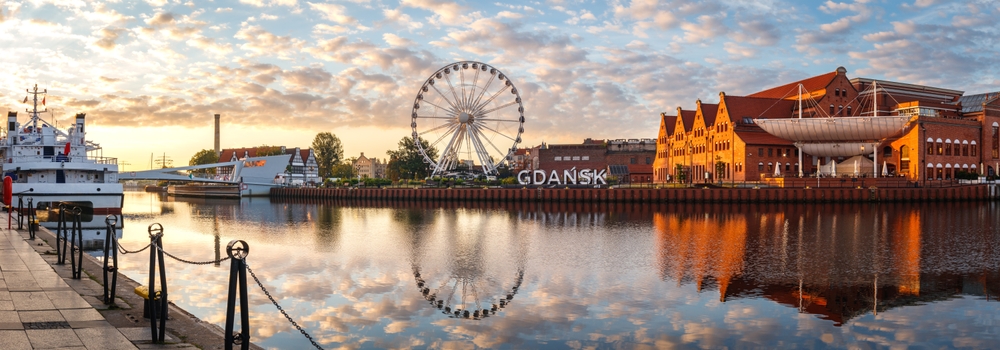 Photo: Shutterstock
Many people consider Gdańsk to be the most beautiful city in Poland. Indeed, its Old Town is truly breathtaking. It is worth taking a short and fairly comprehensive tour of the city center, entering the pedestrian Długa Street through the 'High Gate', passing through the 'Prison Tower' and the 'Golden Gate', looking along it at the picturesque buildings, arriving at the impressive Town Hall and further on to the broad square with the Neptune Fountain, the Artus House and the Golden House.
Further on, at the end of the square, exit through the 'Green Gate', stroll along the river promenade and enter Mariacka Street, known as 'the most beautiful street in Poland', and for good reason, and at the end visit the Church of St. Mary, a huge Gothic building that can accommodate up to 25,000 people. It is highly recommended to climb the 400 steps to the top of the tower to get a breathtaking panoramic view of the entire city and the Baltic Sea on the horizon.
Another iconic symbol of the city is the crane on the riverbanks, a 15th-century wooden structure used to load goods onto ships. A walk along the quay (Długie Pobrzeże) at sunset is a magical experience, with views of tourist "pirate" ships and drawbridges.
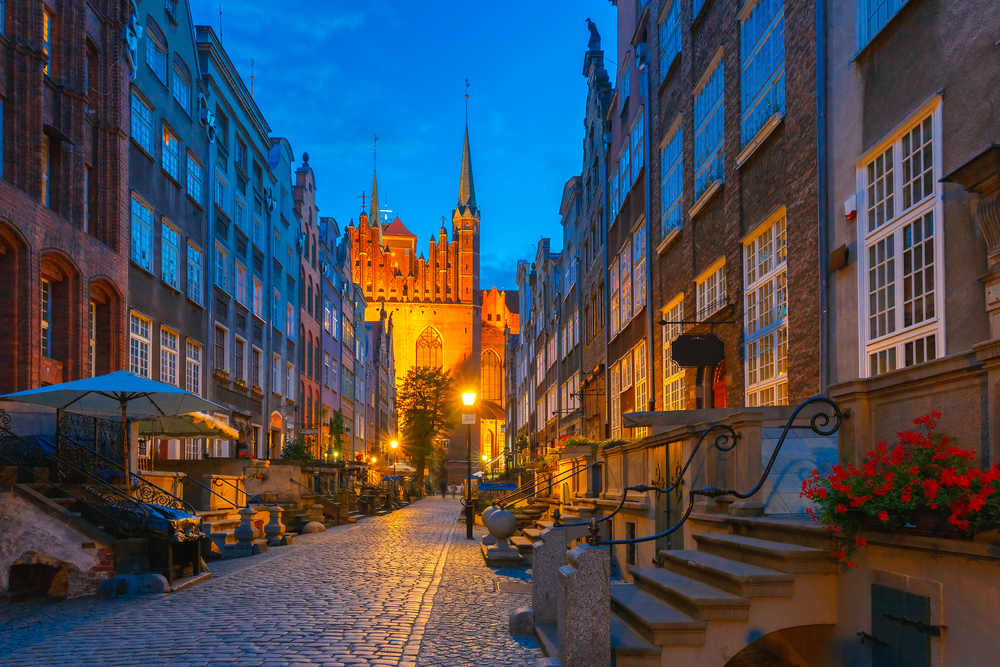 Photo: Shutterstock
The "Quiet Airport"
Gdańsk Lecha Wałęsy Airport is more than a transit hub. In recent years, it has established itself as one of the most advanced and efficient airports in Eastern Europe.
With its modern Terminal 2, featuring a glass-and-metal design reminiscent of ocean waves, it offers a particularly soft and comfortable landing experience. In the past year, special emphasis has been placed at the airport on shortening waiting times and improving passenger service, including upgrading passport control systems and expanding the duty-free areas, which now offer a combination of international brands and quality local products such as amber jewelry ("the gold of the Baltic Sea").
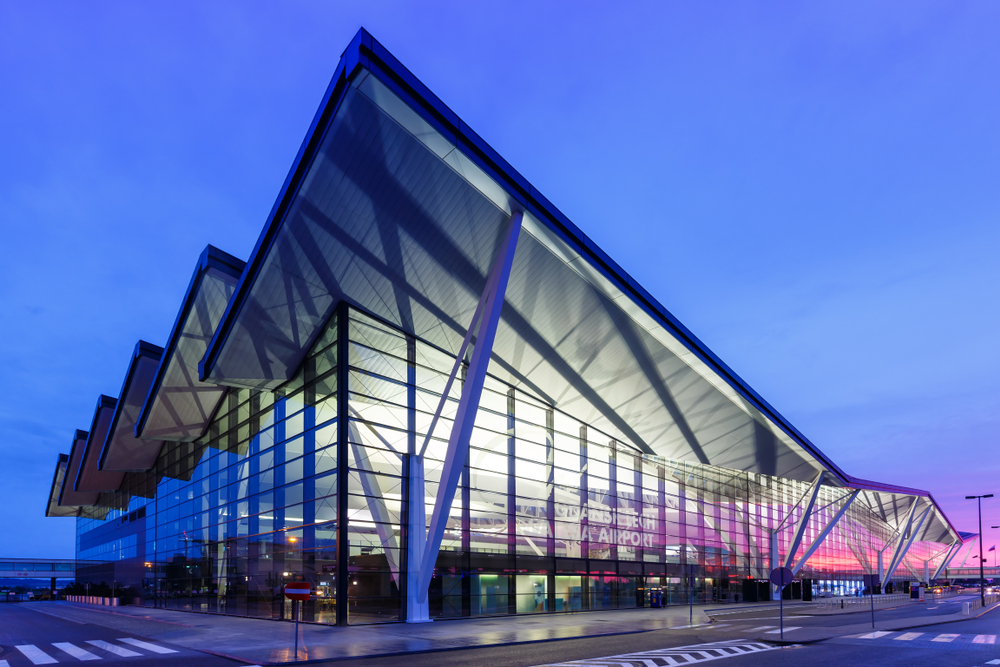 Photo: Shutterstock
The airport itself serves over 100 international destinations around the world, with an average of about 50 flights departing from it daily. The vast majority of these include flights by low-cost airlines, such as Wizz Air or Ryanair, which have made Gdańsk their main base. In addition, it is an important hub for connecting flights, which gives it great importance among many diverse travelers.
One of the most notable innovations implemented in 2025 at the local airport is the designation as a "quiet airport." As part of a global trend to improve passenger well-being, voice announcements in the terminal have been significantly reduced, creating a much calmer and more relaxed atmosphere before the flight.
In addition, the airport recently completed a huge infrastructure project to install solar panels on the roofs of the new parking lots, which provides a significant portion of the airport's electricity consumption and places it at the forefront of sustainability in the European aviation world.
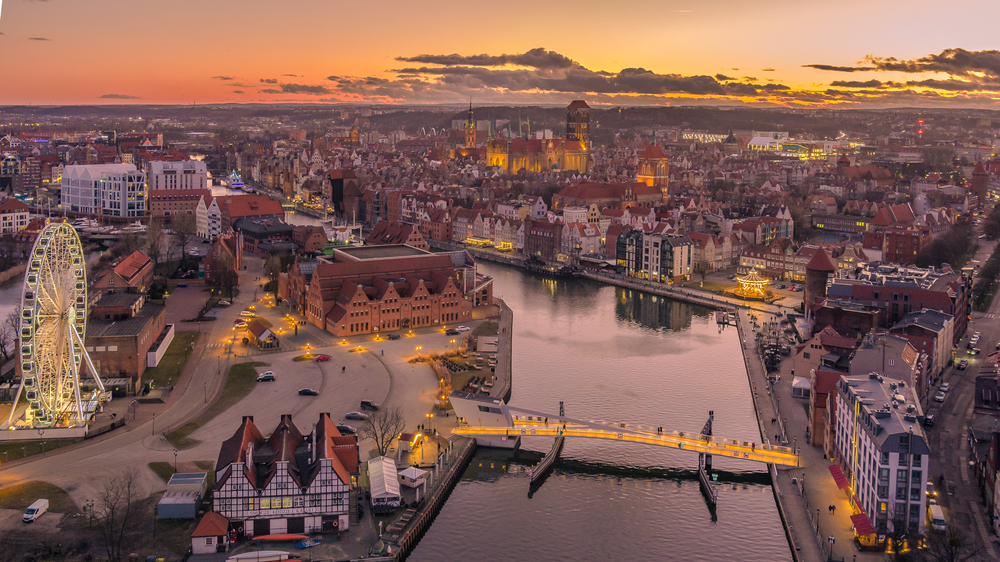 Photo: Shutterstock