New research by Dr. Rei Chemke of the Department of Earth and Planetary Sciences at the Weizmann Institute of Science, and Dr. Janni Yuval of Google Research, shows that the Pacific Northwest shift of storms is occurring at a much higher rate than predicted in climate models.
The study, published in the scientific journal Nature, also shows that the shifting of storm paths, resulting from climate change, is affecting the warming and drying of large areas of the American Northwest area. This study joins a series of previous works by Dr. Chemke that indicate a worrying trend: storms on Earth are changing at a rapid pace, and climate models are not always able to reflect this.
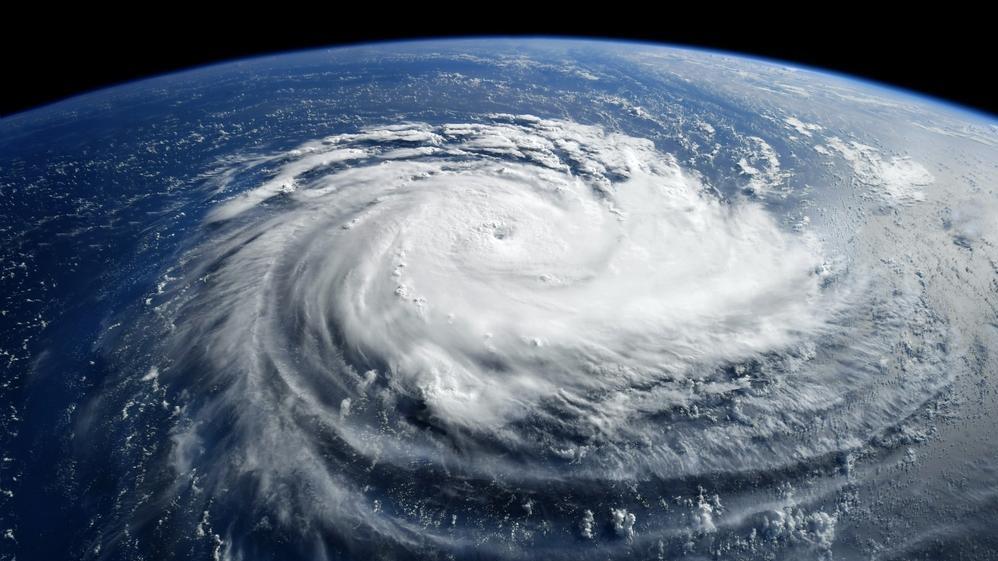
According to the Weizmann Institute of Science, glaciers in Alaska are melting rapidly, losing about 60 billion tons of ice each year. About 4,000 kilometers south, in California and Nevada, temperature and drought records are being broken, and the risk of fires is increasing. One common factor contributing to climate change in both regions is the shift in the path of winter storms over the Pacific Ocean, toward the north. These storms transport heat and moisture from the warm regions of the Earth toward the Pole, and as their path shifts north, more heat and moisture reach Alaska, while the ventilation of the southwestern United States is disrupted and temperatures rise.
The Weizmann Institute also notes that, moreover, using a new index based on air pressure at the ground's surface, a figure that has been measured consistently over decades, this shift is not part of natural climatic fluctuations, but rather a clear product of climate change.
"Currently, models project a shift of [roughly] 2 degrees by the end of this century,” Chemke said. “Since the shift we observe here is not due to natural variability in the system, but rather a response to climate change, the future shift may be larger than currently predicted,” says Dr. Chemke.