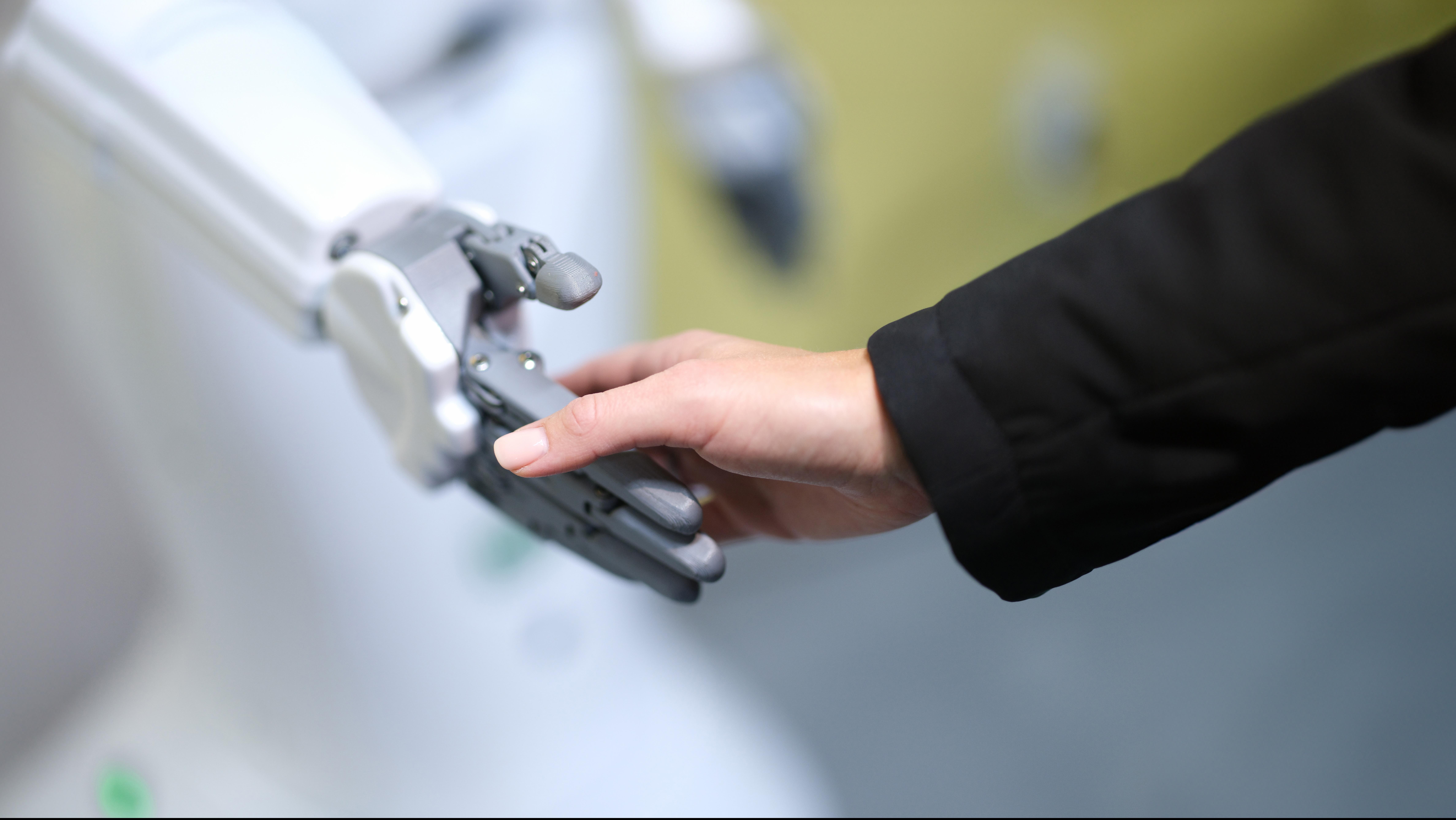
Japan’s aviation sector is stepping into the future: Japan Airlines, through its ground handling operations branch for the JAL Group, JGS, and GMO AI & Robotics Trading Co., Ltd., has announced plans to launch the country’s first airport trial of humanoid robots in May 2026.
They Will Move and Operate Like Humans
The initiative is aimed at testing the way human-like robots can support ground handling operations, including loading bags, servicing aircraft, and handling gear, all areas that continue to rely heavily on manual labor.
Unlike traditional automation, humanoid robots have been designed to move and operate like people, enabling them to work within existing airport infrastructure without the need for any major modifications.
The project comes at a time when the aviation industry is facing growing labor shortages, mostly triggered by rising travel demand and the shrinking workforce. The fact that ground handling roles are demanding at a physical level and also require high levels of precision makes recruitment and retention increasingly challenging.
The trial will begin with a thorough analysis of all airport operations to establish the safest positions where the robots can be deployed. The next step will be phased testing in simulated and real-world environments, with the long-term goal of integrating robots into daily operations to reduce workload and improve efficiency.
The Year of Humanoids
JGS will bring its operational expertise and safety oversight based on decades of experience at major airports to the table, while GMO AIR has announced it will supply the humanoid robots and develop the AI systems that will control their movement and tasks.
The two companies want to create a sustainable model that allows robots to assist human workers across a range of airport functions, including handling baggage and equipment and cleaning cabins.
The project is also aligned with the broader vision of the GMO Internet Group, which has designated 2026 as the “Year of Humanoids,” signaling a push to accelerate real-world adoption of AI-powered robotics.
At the end of March, San José Mineta International Airport introduced an AI humanoid robot that can assist passengers in over 50 languages and provide real-time help at Terminal B.