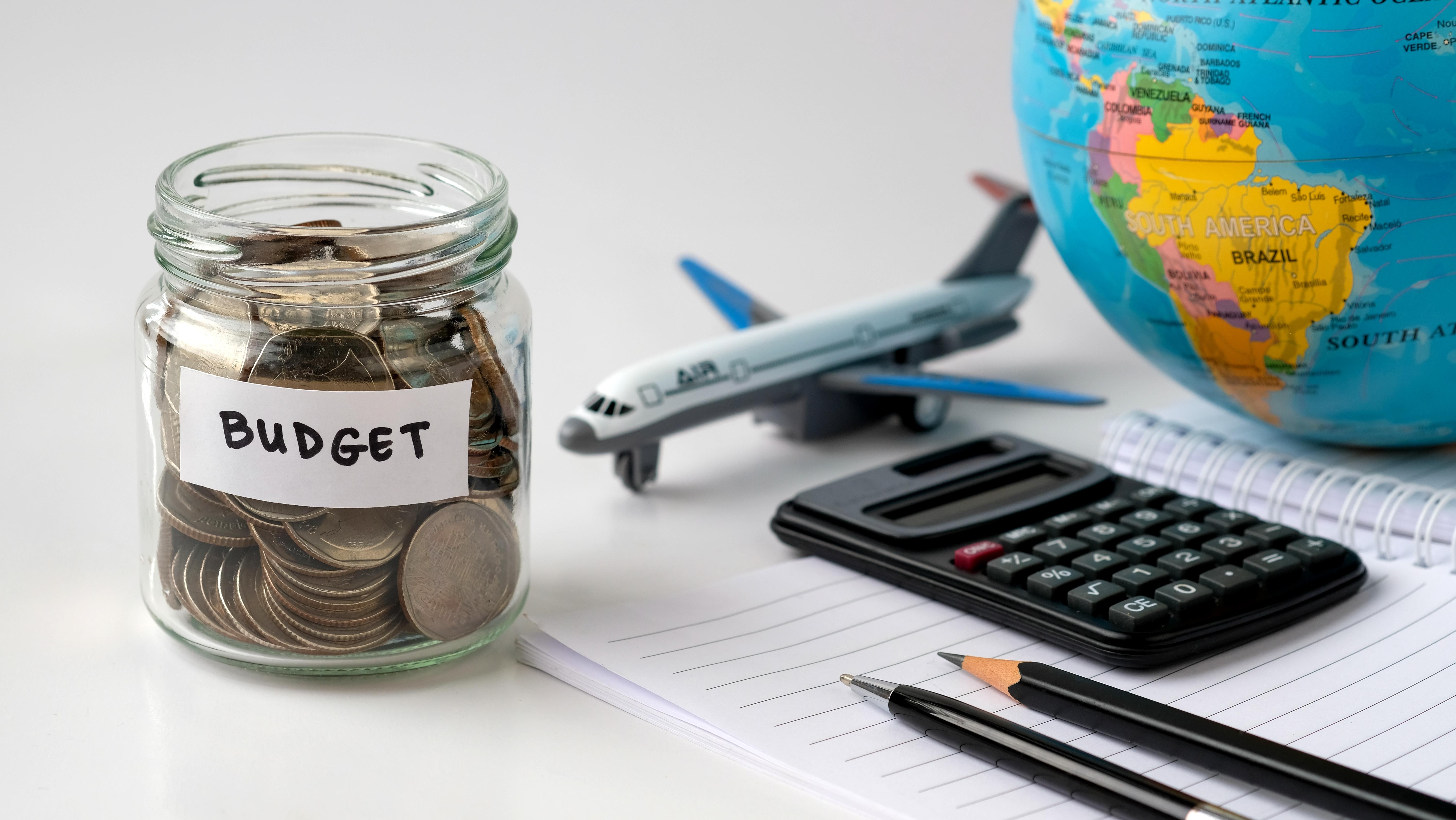
Influenced by a multitude of factors, including rising fuel costs, higher operating expenses, and ongoing geopolitical pressure on global energy supplies, flying is becoming more expensive day by day, even if ticket prices might not always show it upfront.
Across Europe and other major markets, airlines are increasing or reintroducing extra charges as they contend with rising fuel costs, higher operating expenses, and ongoing geopolitical pressure on global energy supplies.
Recent industry moves show a clear trend: base fares may look stable, but add-on fees are climbing.
Fuel Surcharges Are Returning
One of the biggest cost drivers is jet fuel, which has surged in recent months due to supply disruptions linked to geopolitical tensions.
Airlines are responding in different ways. Some, like Air France-KLM, have introduced or increased (doubled) fuel surcharges on long-haul routes. Others are embedding the cost into higher base fares rather than separating it as a surcharge Several Asian and European carriers have adjusted pricing structures multiple times in early 2026.
In some cases, long-haul surcharges are reaching €50 to €100 per round trip, depending on route and distance.
Baggage Fees Are Also Rising
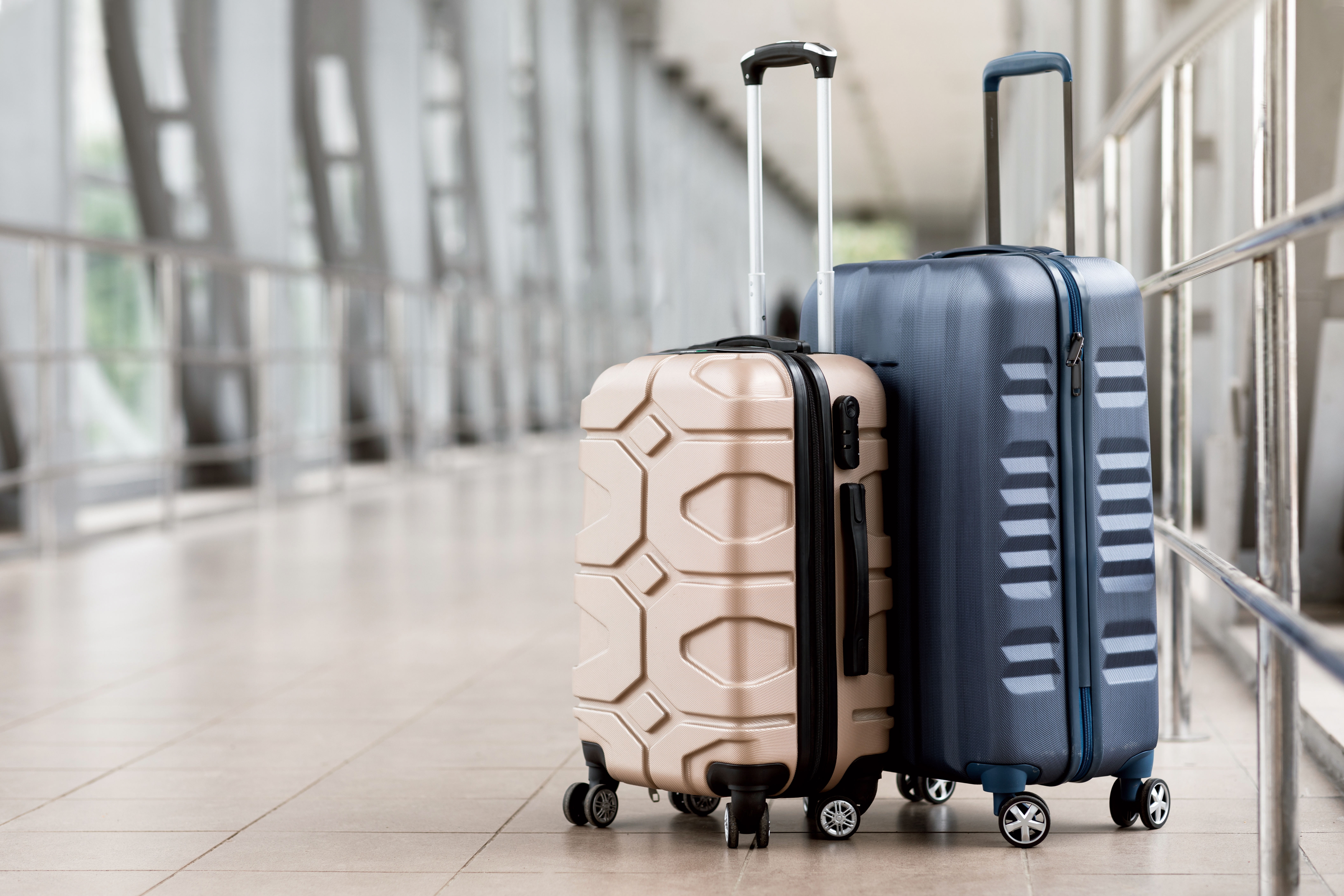 Luggage fares. Photo: Shutterstock
At the same time, passengers are seeing higher costs for services that were once included in the ticket price.
Recent changes include increased checked baggage fees on several major airlines, dynamic pricing models depending on travel demand, and higher fees for last-minute add-ons at airports.
Some carriers have raised baggage fees by $10 to $50 per bag in response to rising fuel and operational costs.
Low-cost airlines are also adjusting pricing strategies, with more restrictions on cabin bags and stricter fare bundles becoming more and more common.
Why Airlines Are Doing This
There are three main pressures driving the increase in fees:
-
-Fuel costs, with jet fuel remaining one of the largest airline expenses, often around a quarter of total operating costs
-
-Operational strain, with special emphasis on staffing, airport fees, and congestion are pushing costs higher
-
-Network adjustments, with many airlines choosing to cut unprofitable routes while trying to protect their margins.
What Does This Mean for Passengers?
 Flying in 20206 is more expensive. Photo: TN Creative Visuals / Shutterstock
For travelers, the change is less about headline ticket prices and more about the total cost of flying.
In 2026, the real price of a flight may depend on baggage choices, seat selection, fuel-linked surcharges, and the timing of your booking, with llate bookings often being more expensive.
Some analysts warn that even if base fares stay competitive, total trip costs are likely to keep rising through the year.