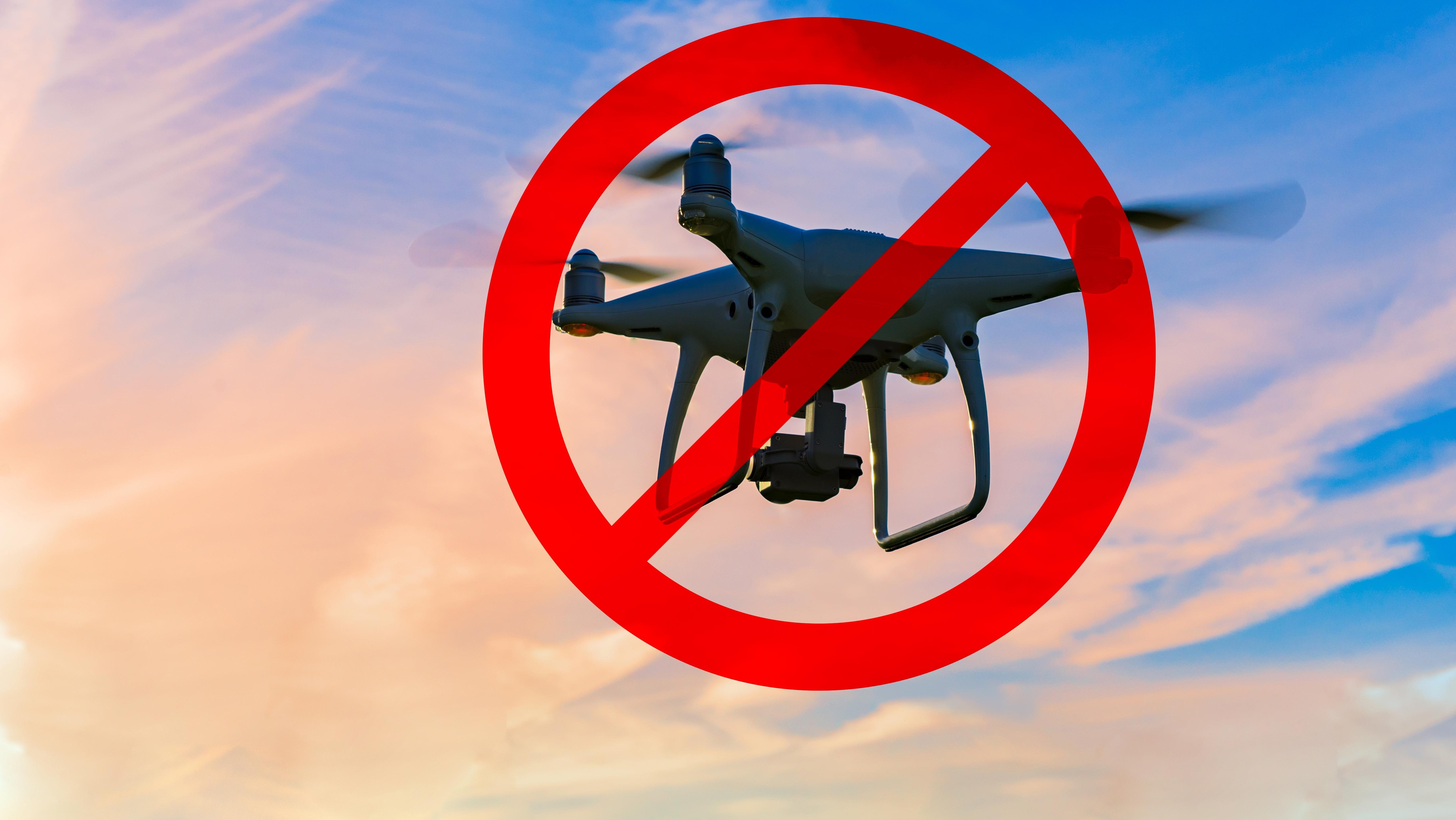
It's official: All 16 stadiums and event areas in the US, Canada, and Mexico designated to host the 23rd edition of the much-anticipated FIFA World Cup 2026 will operate under strict “No Drone Zone” rules.
The authorities have decided to enforce a series of tight airspace restrictions during the matches, including Temporary Flight Restrictions (TFRs) and special air traffic procedures.
The Federal Aviation Administration will implement TFRs to ban unauthorized drone flights around the following venues: Toronto Stadium, BC Place Vancouver, Estadio Azteca, Estadio Guadalajara, Estadio Monterrey, Atlanta Stadium, Boston Stadium, Dallas Stadium, Houston Stadium, Kansas City Stadium, Los Angeles Stadium, Miami Stadium, New York/New Jersey Stadium, Philadelphia Stadium, San Francisco Bay Area Stadium, and Seattle Stadium.
Violating the rules could result in fines up to $75,000, along with criminal penalties up to $100,000, arrests, and, of course, the confiscation of the drones.
Licensed drone pilots must comply with the same restrictions, with the authorities asking them to check the airspace using tools like B4UFLY and avoid bringing drones to any event.
Tips for Passengers Flying to the World Cup
Brace yourself for tackling busy airports by arriving early and checking the stats of your flight well in advance. Make sure you follow the official TSA liquid and packing rules and rely on apps like MyTSA for security guidance.
You should also consider TSA PreCheck for quicker screening times and be ready for delays due to high traffic.
Authorities stress that these measures are designed to keep airspace secure and ensure safe travel during one of the world’s largest sporting events.
What Private Pilots Should Expect
Besides the heavy traffic, expected delays, and newly imposed controls, pilots should pay attention to when they choose to file their flight plans (at least 6–24 hours before departure), opt for rerouting, and consult Ground Delay Programs.
No airborne IFR pickups or last-minute destination changes will be allowed. Pilots should also check NOTAMs regularly for updated TFRs and avoid training flights near host cities.
Access to some airports may be restricted during match days.