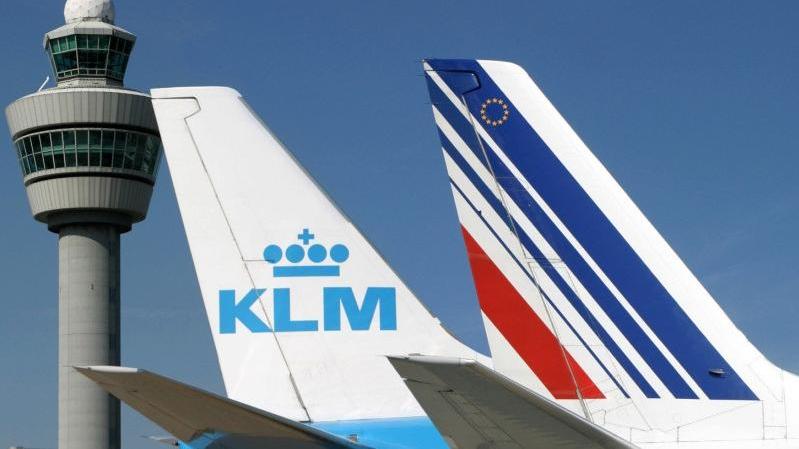
The Air France-KLM group is celebrating 22 years since the historic merger between the two airlines, which is considered one of the most significant and groundbreaking moves in the history of European aviation.
On May 5, 2004, Air France and KLM merged in an unprecedented move at the time, a cross-border merger between two national airlines, which retained their distinct identities but chose to operate under a common group. The move marked a paradigm shift in the industry, laying the foundations for a new operating model in global aviation.
Since the merger, the group has operated from two main hubs, Paris Charles de Gaulle and Amsterdam Schiphol, and operates an extensive network of over 320 destinations worldwide. In addition, the group also includes the low-cost carrier Transavia, which complements its operations in a variety of market segments.
Over the years, the group has faced a series of challenges, including economic crises, changes in the aviation industry, and the consequences of the COVID-19 pandemic. Despite this, it has maintained relative stability and strengthened its position as one of the world's leading aviation groups.
Today, the group employs approximately 78,000 people worldwide, working together under a shared vision of improving the passenger experience, from ground service to the in-flight experience.
The merger between Air France and KLM remains a prominent example of a successful combination of airlines with strong national identities, creating operational and business synergies that continue to drive the group forward more than two decades after its establishment.
Looking to the future, the group emphasizes its commitment to continued innovation, service improvement, and global expansion, as part of continuing the path of one of the most influential aviation groups in the world.