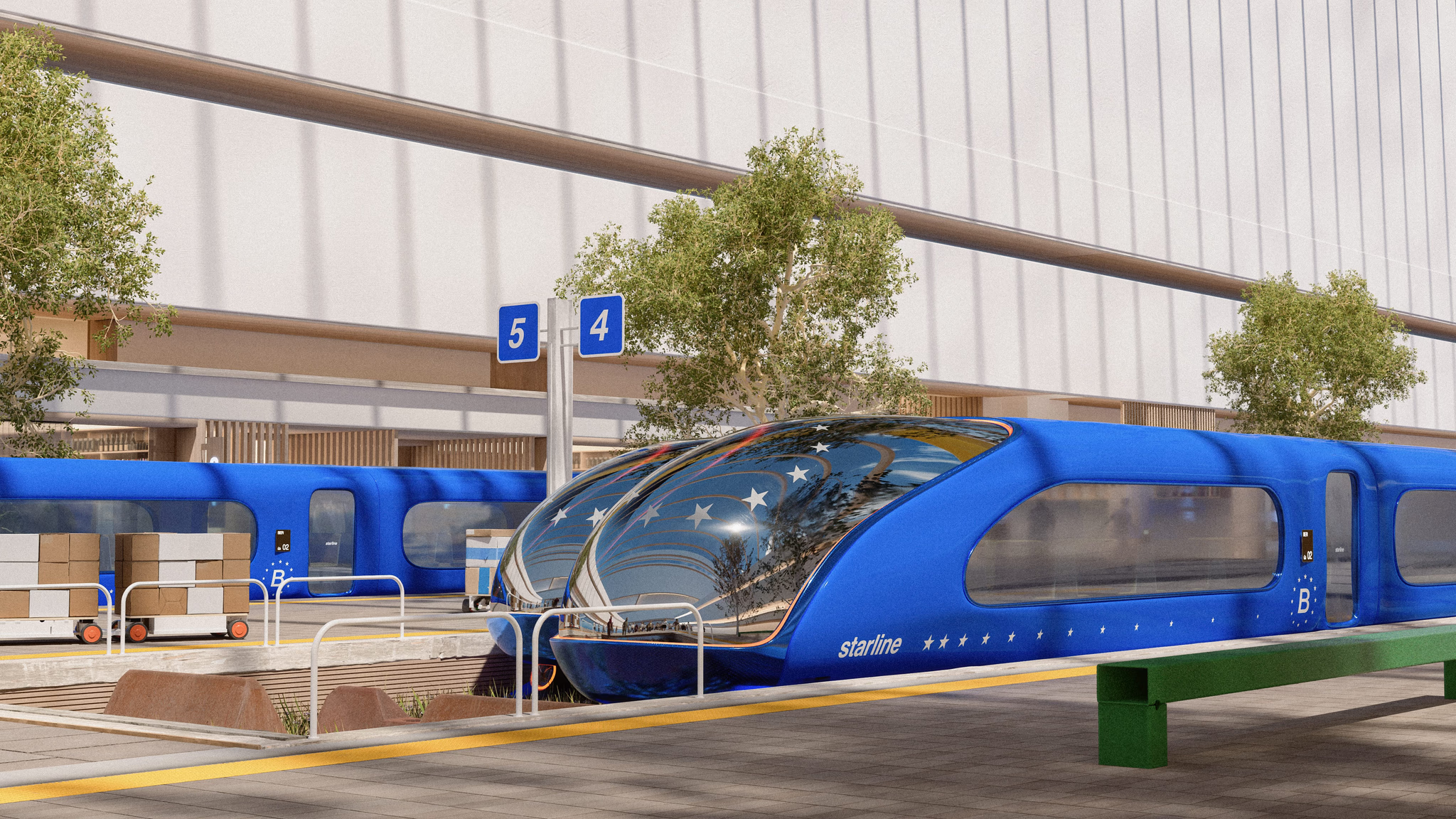
A new proposal called Starline is putting forward one of the most ambitious transport visions Europe has seen in decades, with plans for a continent-wide high-speed rail system designed to make cross-border train travel faster, simpler, and more connected.
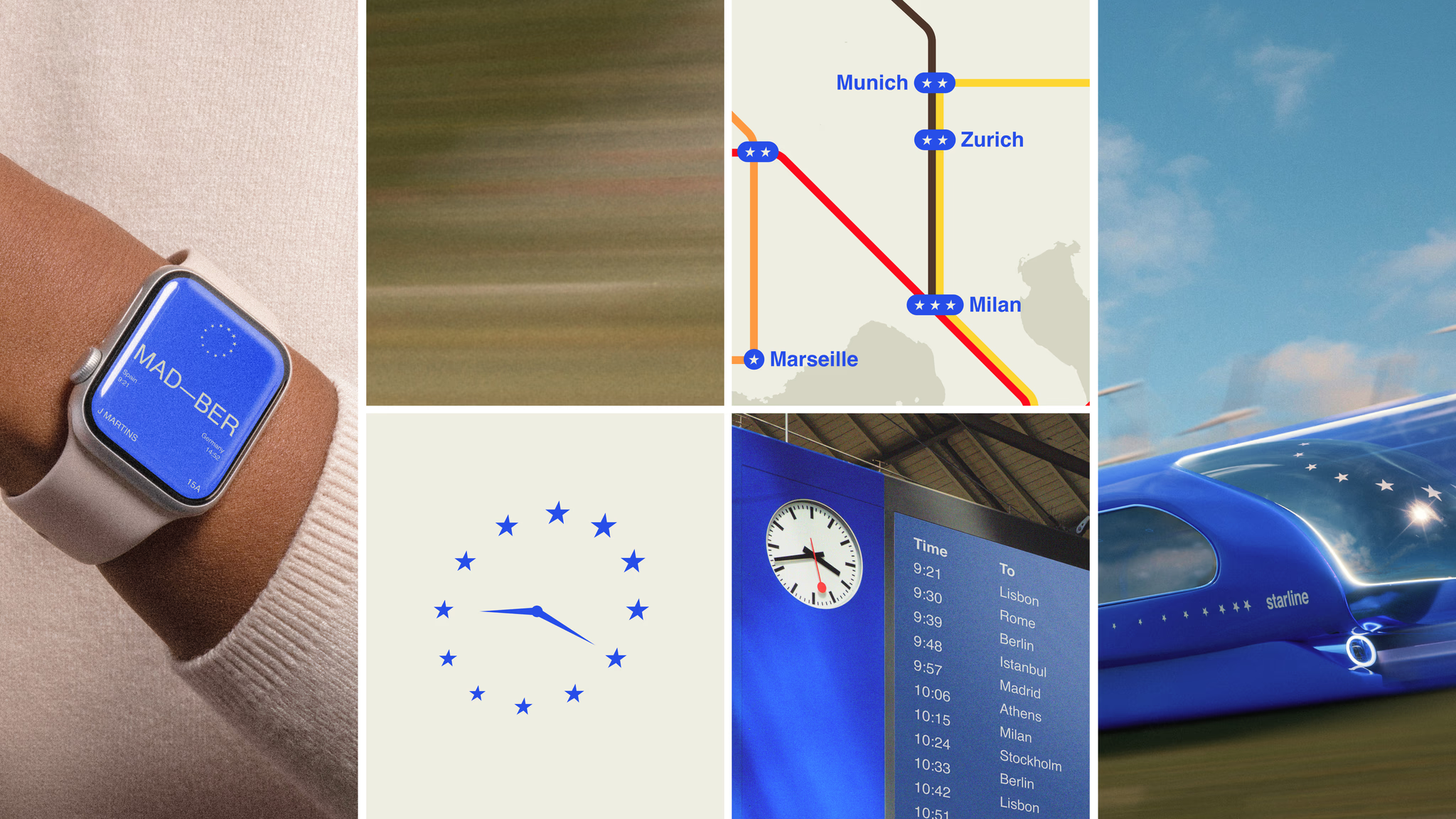 Photo: 21st Europe
Created by the Copenhagen-based think tank 21st Europe in collaboration with design studio Bakken & Bæck, the blueprint imagines a future where high-speed trains move across Europe as seamlessly as metro lines connect cities today.
The project argues that Europe’s current rail system remains too fragmented despite decades of investment. While countries such as France, Germany, and Spain operate successful national high-speed networks, cross-border journeys are still often slow, expensive, and difficult to book.
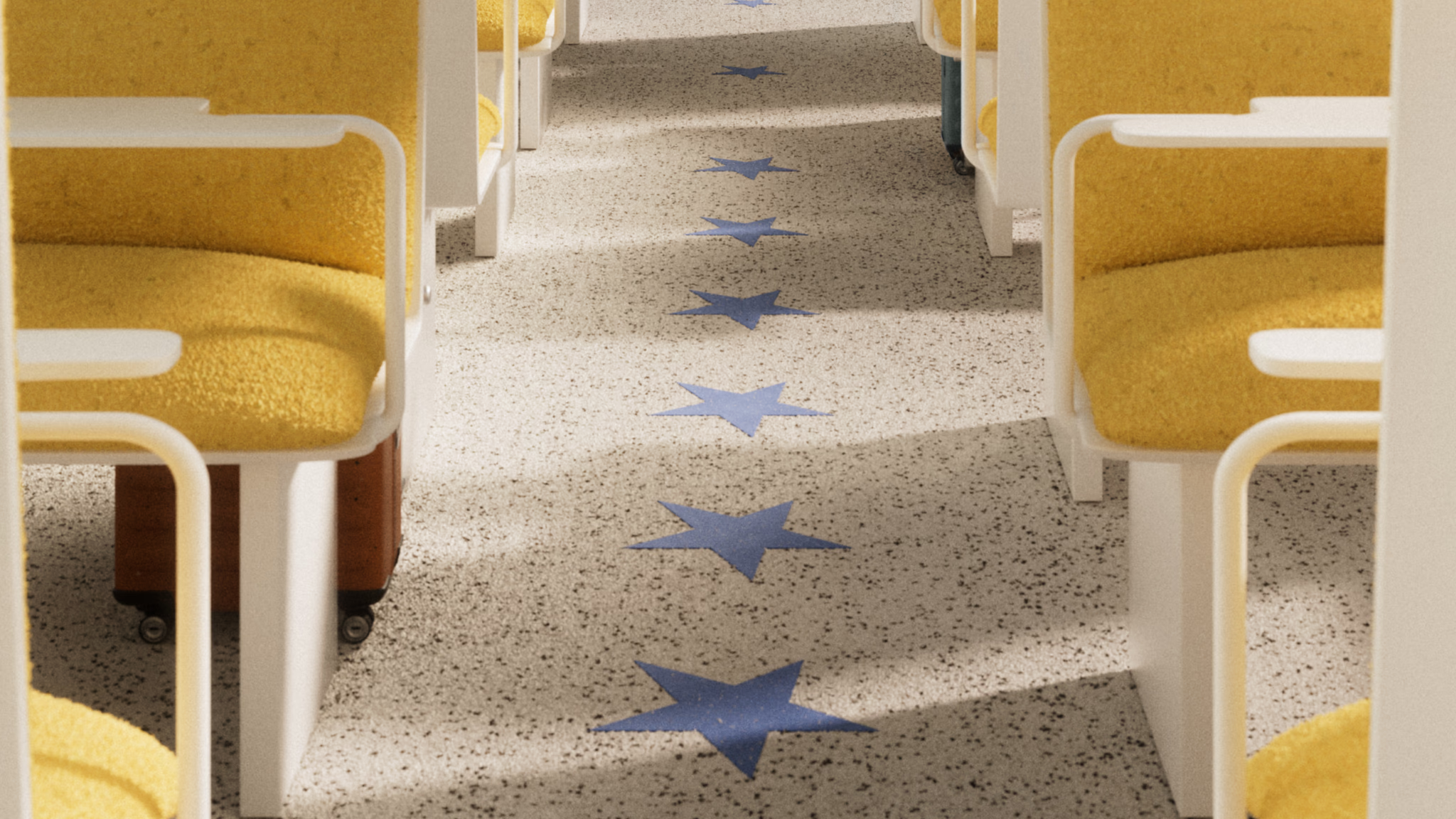 Photo: 21st Europe
“Europe has always been shaped by movement,” the proposal states. “The train once defined this rhythm, powering industry, shaping cities, and embodying the very idea of a connected continent.”
According to the Starline team, Europe now risks falling behind global competitors because of disconnected infrastructure.
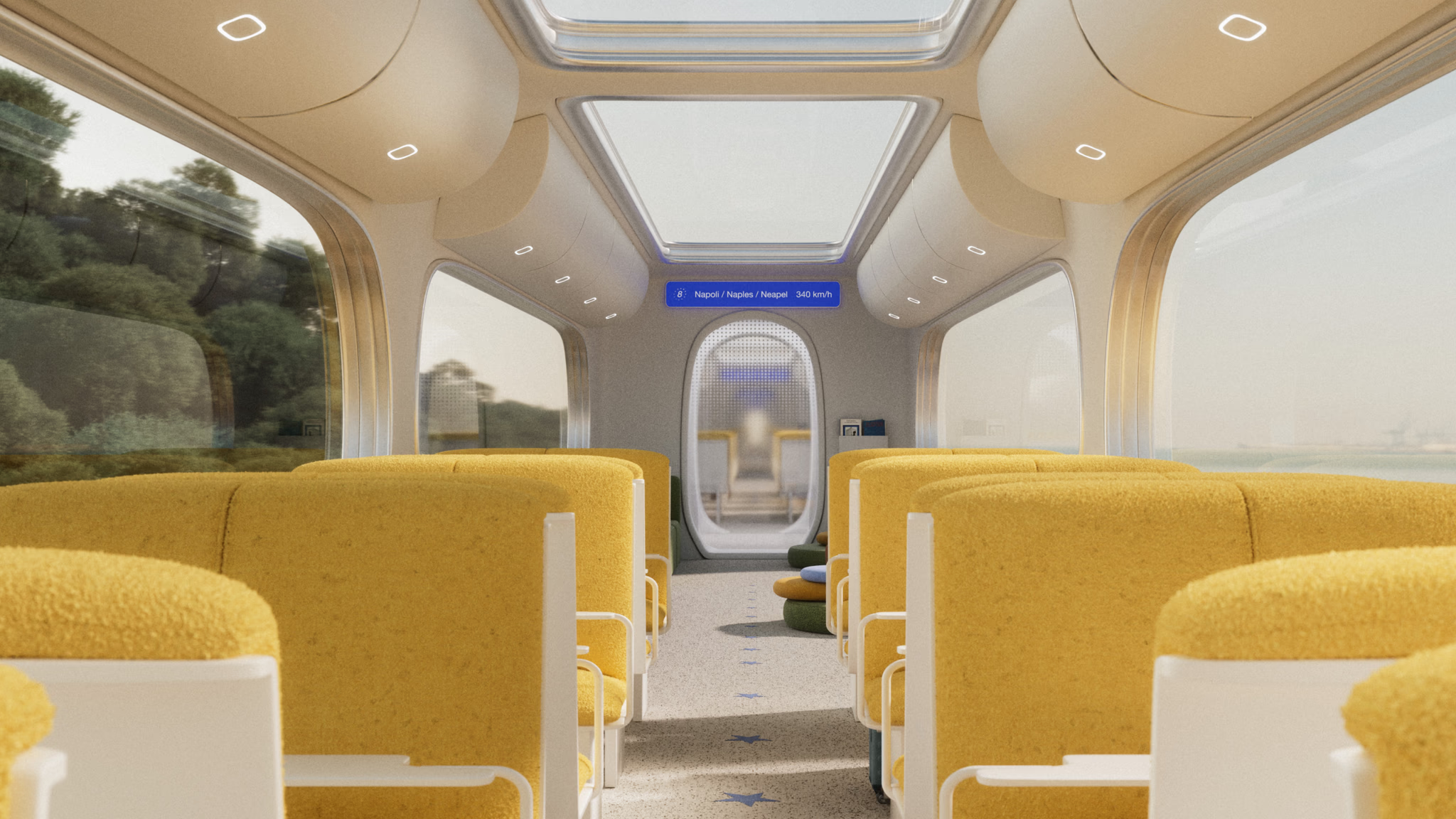 Photo: 21st Europe
"High-speed rail lacks a unifying vision. Stations feel disconnected, trains vary wildly in design, and the journey itself is rarely considered as part of the experience. Other forms of transport, from Japanese bullet trains to Scandinavian airports, have shown that mobility can be both functional and iconic.
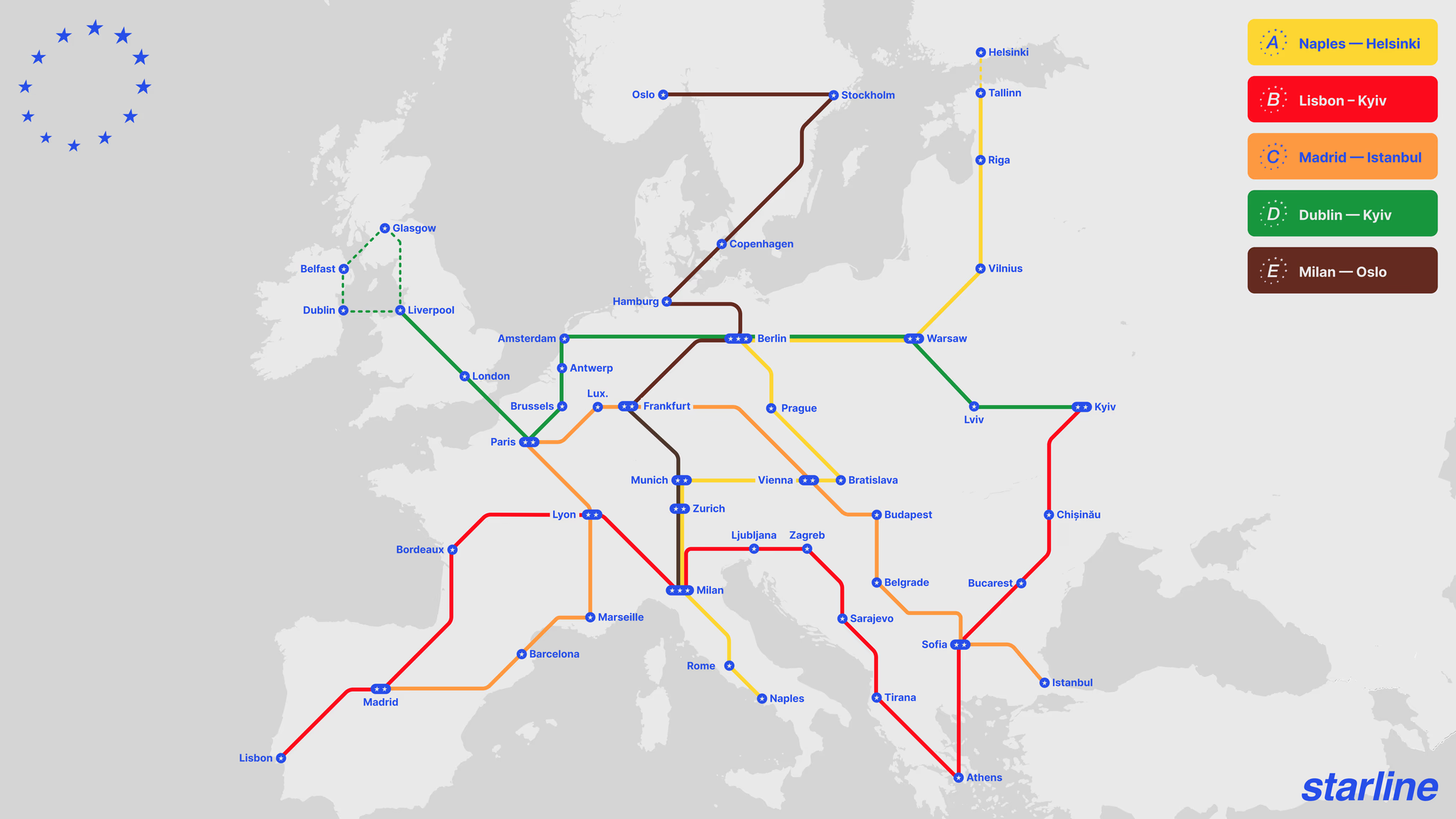 Photo: 21st Europe
Solving this is not just about more investment. It’s about designing a system that is built for the century ahead," explains the company.
One of the central goals of Starline is to reduce Europe’s reliance on short-haul flights. The report highlights that transport accounts for roughly 25% of Europe’s emissions, while aviation remains one of the fastest-growing contributors, despite numerous attempts to improve things via Sustainable Aviation Fuel. High-speed rail, by comparison, can emit up to 90% less CO2 per trip.
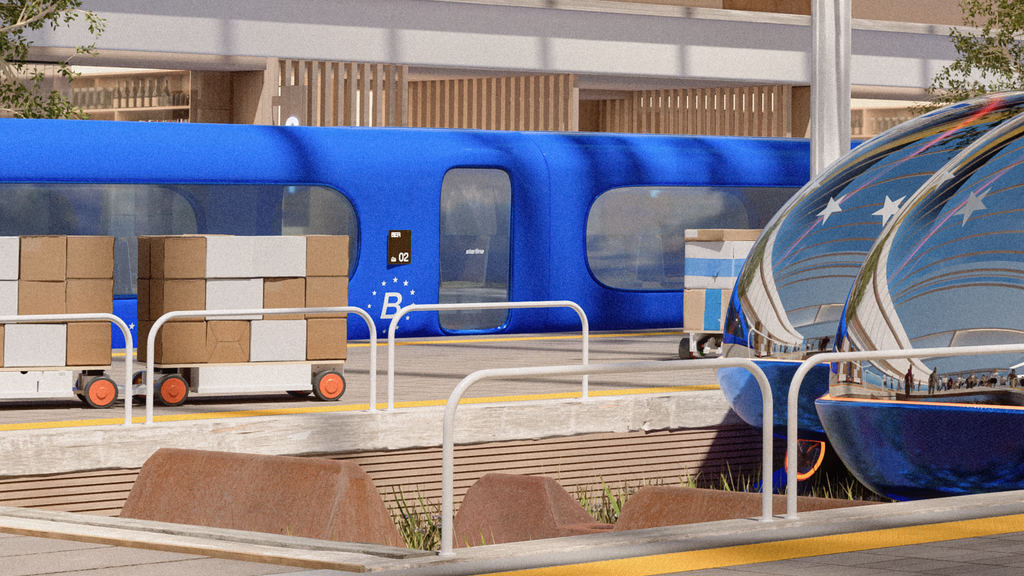 Photo: 21st Europe
The blueprint also stresses the economic potential of a unified rail network. It cites research showing that Chinese cities connected to high-speed rail experienced significant GDP growth and argues that a European network could create millions of jobs while strengthening trade and labor mobility.
“Railways were always about more than transport,” the document says, framing the project as both an infrastructure plan and a cultural vision for Europe.
More Than Trains
The proposal goes far beyond trains themselves. Starline would include newly designed stations outside major cities, envisioned as public landmarks featuring cultural venues, shopping, and logistics hubs. The project also calls for a unified digital platform with integrated ticketing, real-time travel updates, and AI-driven security systems.
Passengers would be able to book international rail trips through one seamless platform instead of navigating multiple national operators and ticket systems.
The trains themselves are designed to become a recognizable European symbol. “Starline is blue,” the blueprint explains, “not just in reference to the European flag but as a deliberate act of identity making.”
Funding would likely combine European Union infrastructure budgets, European Investment Bank support, national government contributions, and private sector partnerships.
While still only a conceptual blueprint, Starline’s creators hope the project will spark serious debate among policymakers, designers, and transport leaders about the future of mobility in Europe.
No First- and Second-Class Division
Starline’s interior would be designed to offer a variety of spaces "for different needs without the rigid hierarchy of traditional first- and second-class divisions."
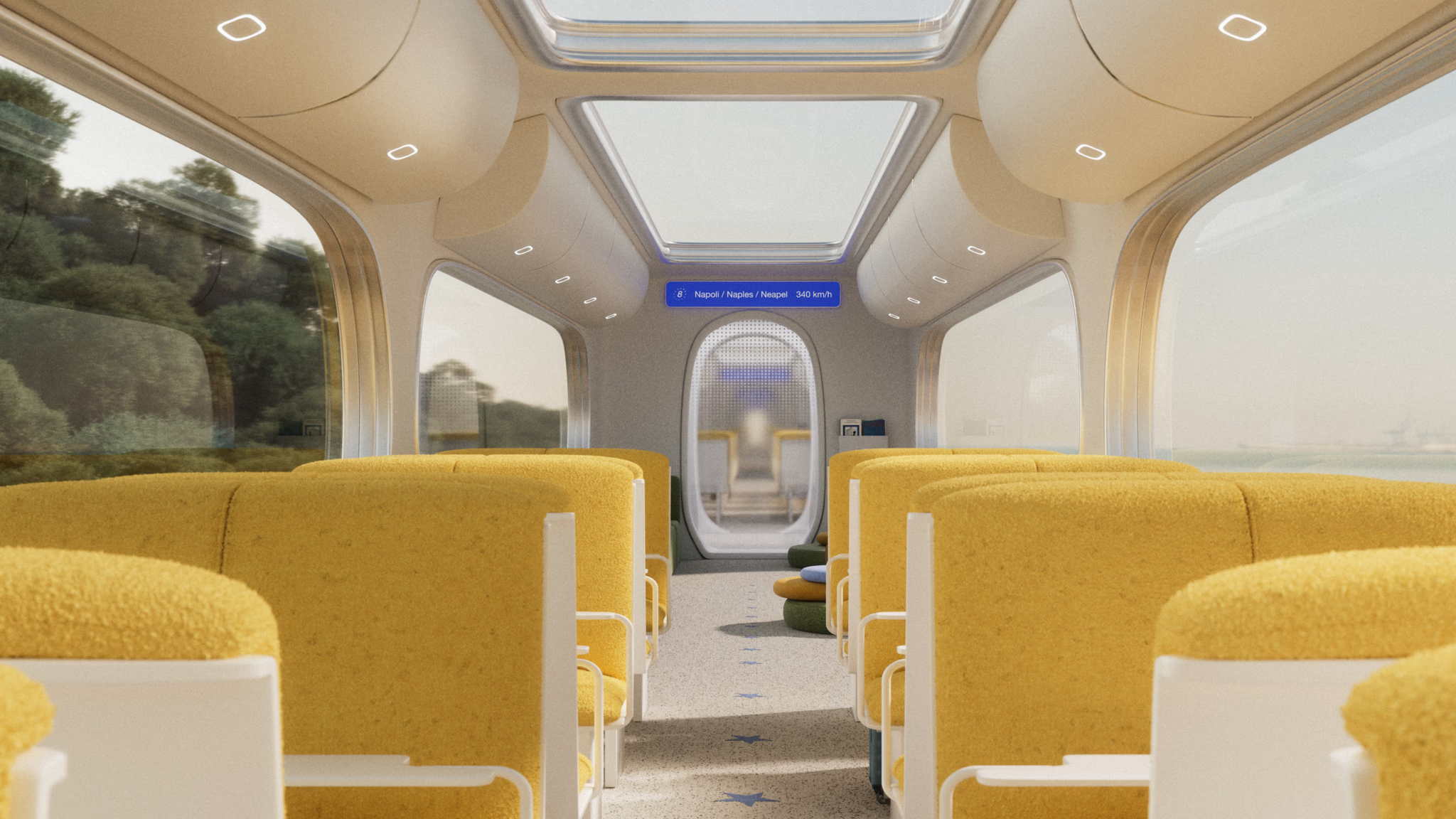 Photo: 21st Europe
 The company envisions "quiet zones for focus, open areas for work and conversation, and family-friendly sections that make long journeys easier with children.'
Seating would also be designed following a "comfort over distance" approach, making sure that "even the longest trips feel natural rather than exhausting," with special café areas.
Starline would also bring about dedicated cargo capacity for time-sensitive goods, considerably cutting "the need for short-haul freight flights and overburdened road networks."
Ticketing System
Starline, believes 21st Europe, should use an open ticketing platform that would allow multiple travel providers, as well as online services, and third-party platforms to seamlessly and directly integrate.
"Crucially, this is not about centralizing sales under a single operator but about standardizing access to rail travel across Europe, removing the friction that currently drives passengers to other modes of transport."
“A High Speed Future for Europe,” the proposal concludes, calling for a rail network that could make the continent feel “whole again.”