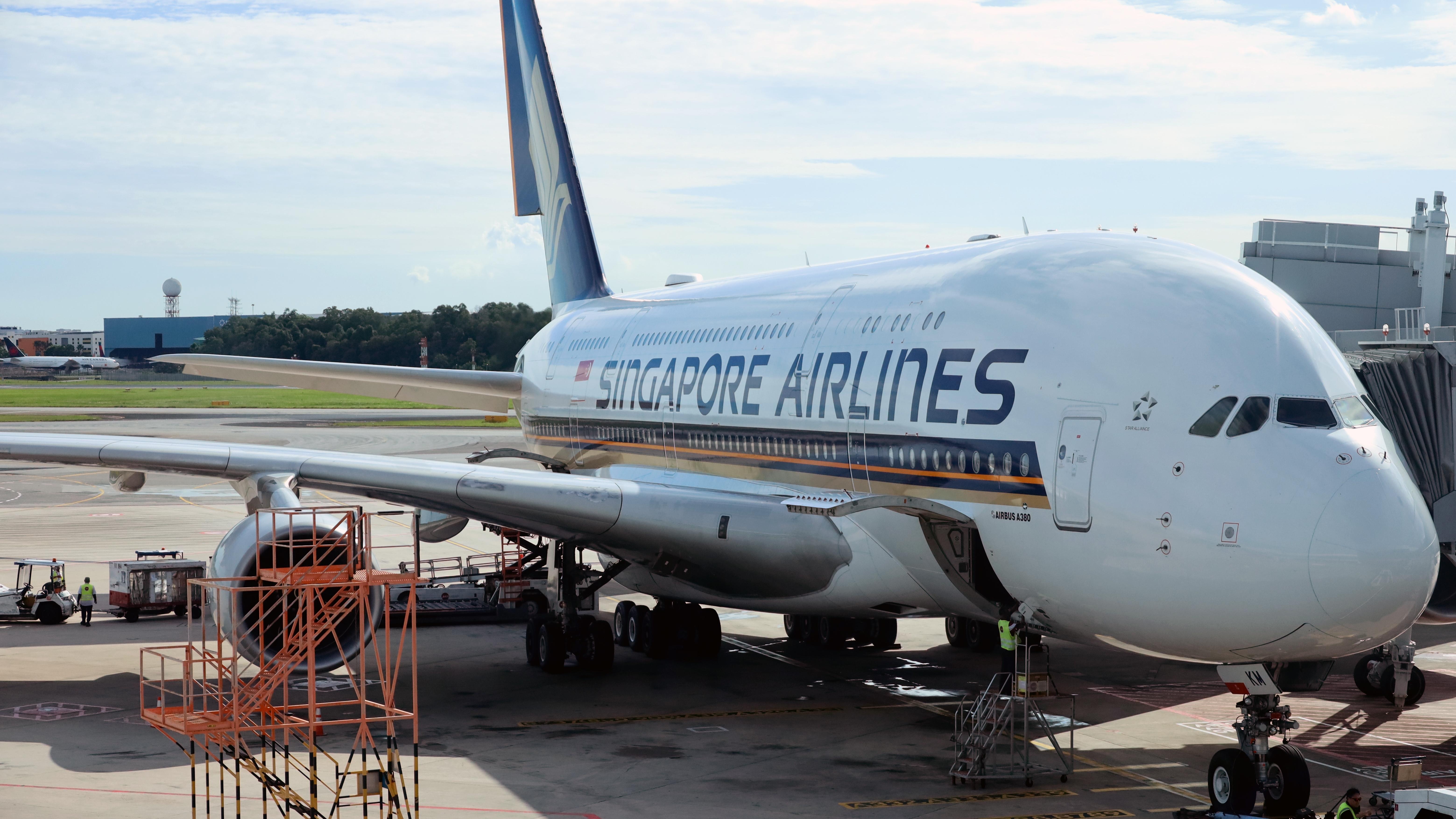
Singapore Airlines reported a sharp rise in annual operating profit for FY2025/26, driven by strong travel demand, higher ticket yields, and "lower full-year net fuel cost", even as net profit declined significantly due to the absence of a major one-off gain recorded the previous year.
Record Revenue, Sharp Rise in Operating Profit
The Singapore Airlines Group posted a record revenue of S$20.5 billion (USD$15.3 billion), up 5% year-on-year, while operating profit surged 39% to S$2.37 billion (USD$1.77 billion).
The airline group carried a record 42.4 million passengers across Singapore Airlines and low-cost subsidiary Scoot during the financial year ending March 31, 2026, representing a 7.7% increase compared to the previous year.
Passenger load factor also improved to 87.7%, as traffic growth outpaced capacity expansion, highlighting continued strong global demand for air travel. Passenger yields rose 1% to 10.4 cents per revenue passenger-kilometre.
Net Profit Down 57.4%
Despite the strong operational performance, net profit fell sharply by 57.4% to S$1.18 billion (USD$927 million). The decline was largely attributed to the absence of a S$1.1 billion (USD$860 million) non-cash accounting gain linked to the Air India-Vistara merger recorded in FY2024/25. The group also absorbed a larger share of losses from Air India during the year.
The airline group maintained a strong balance sheet, with shareholders’ equity increasing to S$17.3 billion (USD$13.1 billion) and debt levels falling by S$2.3 billion (USD$1.7 billion). Its debt-to-equity ratio improved from 0.82 to 0.62, while cash and bank balances stood at S$7.9 billion (USD$6.19 billion).
Fuel costs remained a major focus for the airline. Net fuel costs declined 6.7% to S$5.03 billion, helped by lower average fuel prices and stronger fuel hedging gains.
However, the company warned that rising geopolitical tensions in the Middle East could significantly impact fuel expenses in the coming financial year, with jet fuel prices having more than doubled since the conflict escalated.
Global Fleet and Network Expansion
The company also continued expanding its global network and fleet. As of March 2026, the group operated 218 aircraft with an average age of less than eight years and had 65 aircraft on order. The passenger network covered 134 destinations across 35 countries and territories.
Looking ahead, Singapore Airlines plans to launch new routes, increase European capacity, and introduce next-generation long-haul cabin products by the end of 2026. The airline also confirmed plans to progressively roll out Starlink satellite-based onboard Wi-Fi from 2027.
Shareholders are set to benefit from a proposed total dividend of 37 cents per share for FY2025/26, including ordinary and special dividends, reflecting the group’s continued confidence in its long-term financial position despite a more volatile operating environment.