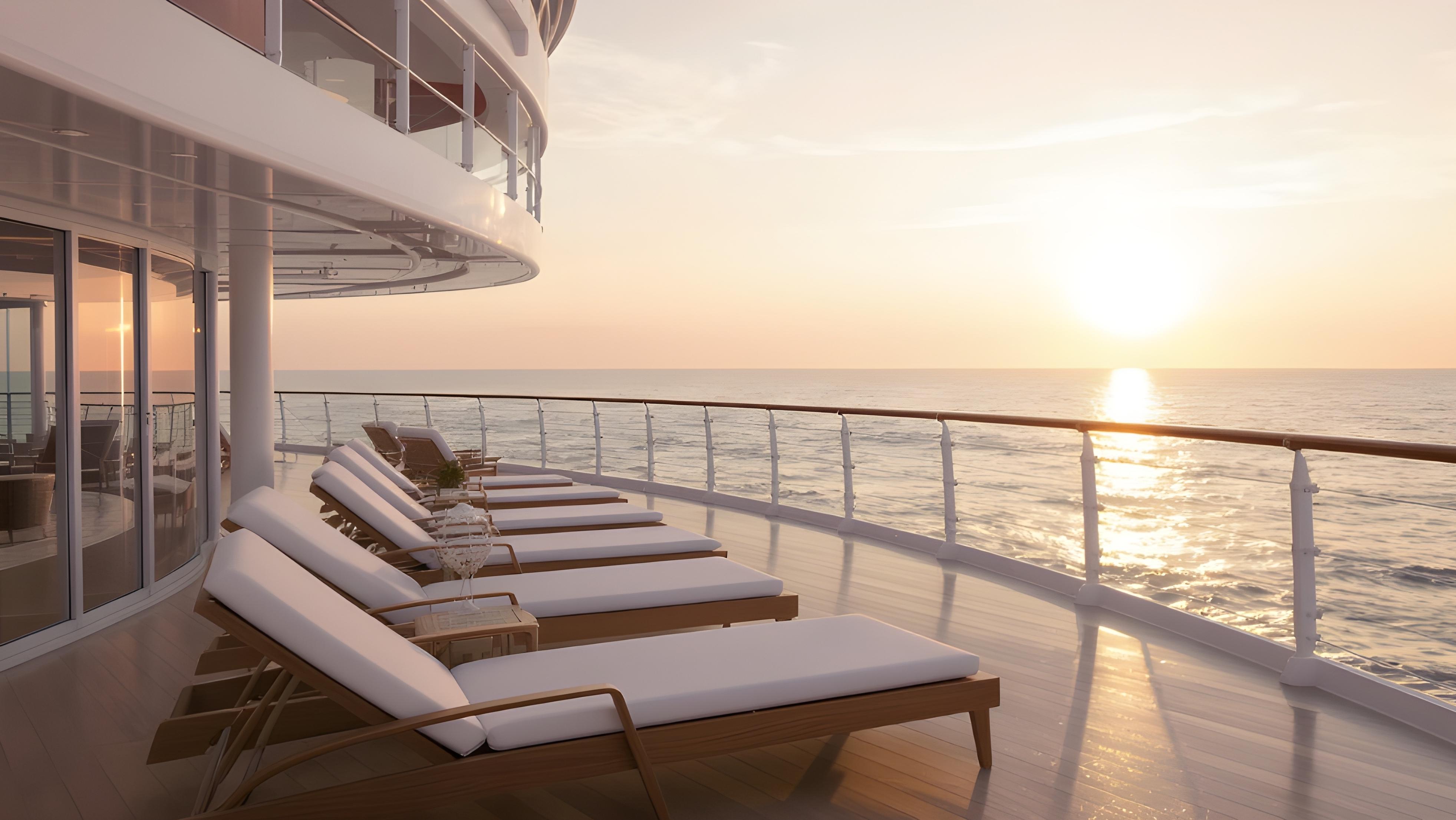
Cruises have a reputation for being expensive. Images of luxury suites, formal dinners, and private balconies often lead travelers to assume that sailing around Europe costs far more than a traditional holiday.
The reality can be surprisingly different.
While searching for summer travel deals, I discovered something unexpected: several Mediterranean cruises were selling for less per night than many hotel rooms in Europe's most popular tourist destinations. Once meals, transportation between destinations, and onboard entertainment were factored in, the numbers became even more difficult to ignore.
The result was one of the most affordable, and surprisingly enjoyable vacations I've ever taken.
The Price That Makes You Look Twice
Current cruise pricing shows that 7-night Mediterranean cruises can indeed be found for around €500–700 per person in an inside cabin during off-peak dates, with some sailings advertised from roughly €559–619 and certain MSC sailings around £499–524 (€580–610). That works out to roughly €57–€85 per night.
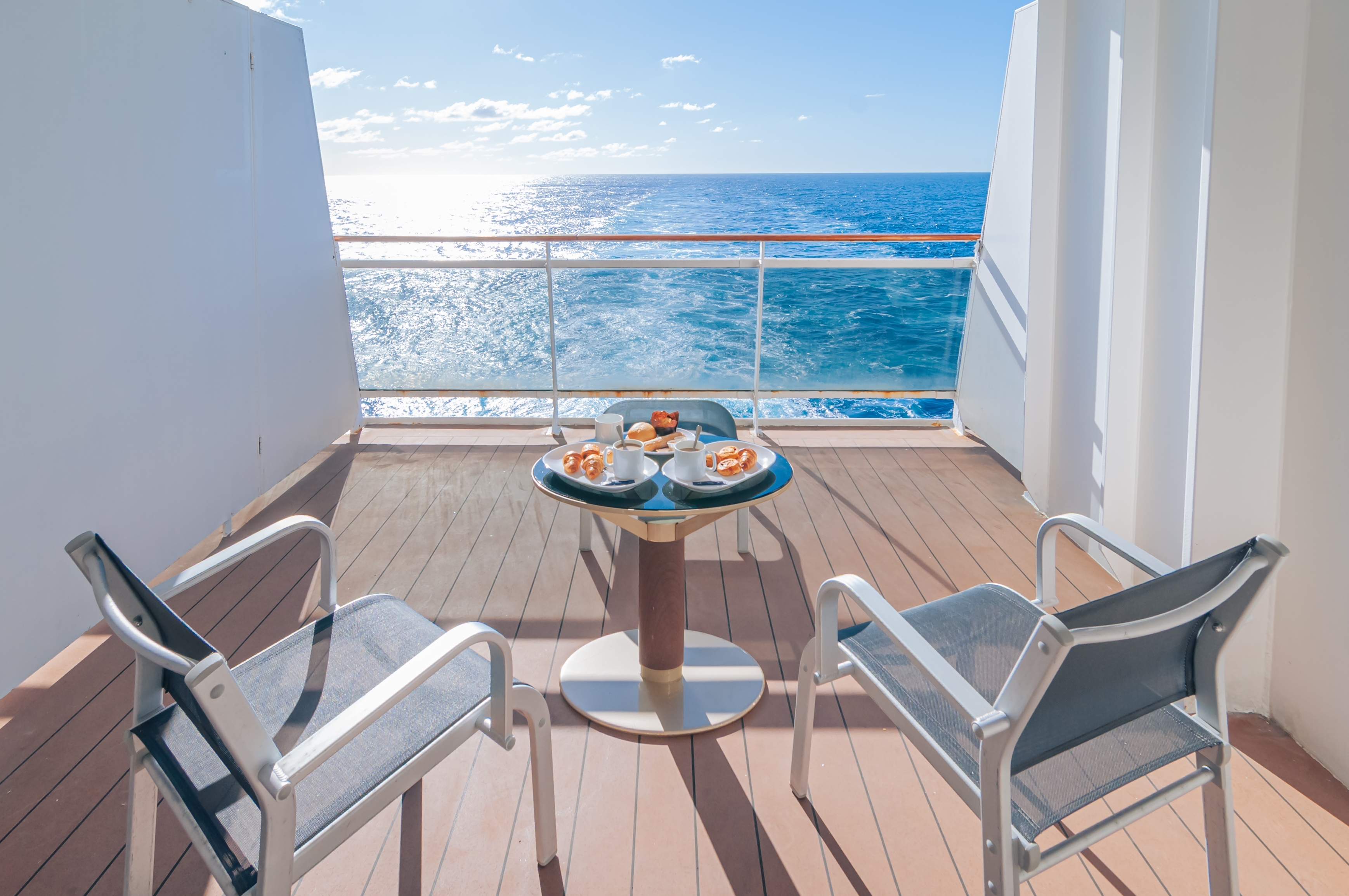 Photo: Shutterstock
At first glance, the price seemed impossible. After all, finding a hotel room in cities such as Barcelona, Rome, Dubrovnik, Venice, or Athens during peak season for less than €100 per night is becoming increasingly difficult.
In many cases, a mid-range hotel room alone can easily cost €120–€250 per night before breakfast, local transport, or sightseeing expenses are added.
Suddenly, cruises don't look expensive at all.
What's Actually Included?
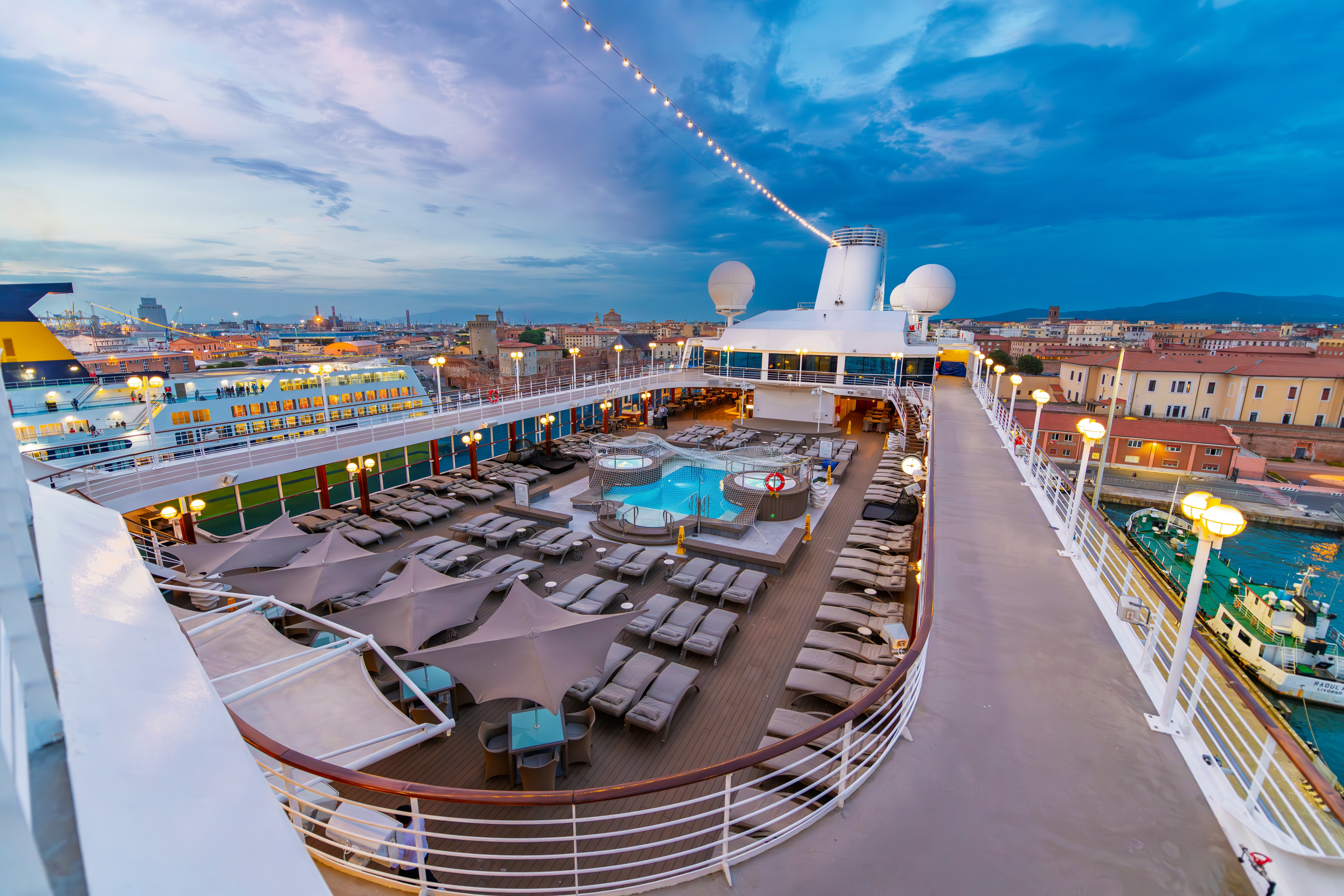 Photo: Kirk Fisher / Shutterstock.com
One of the biggest misconceptions about cruising is that every activity comes with an additional charge.
While premium experiences do cost extra, standard cruise fares usually include far more than many travelers expect.
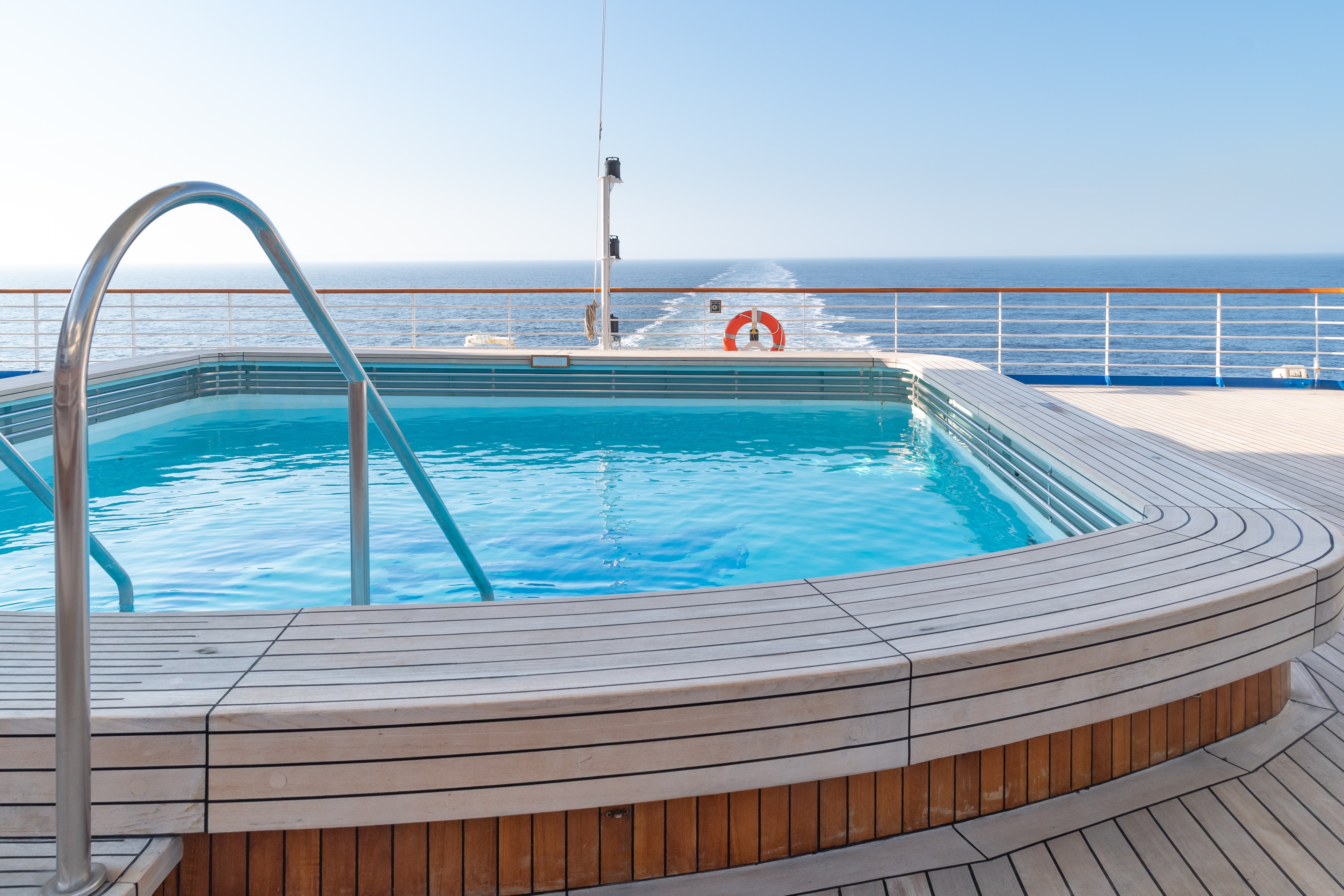 Photo: Shutterstock
A typical fare often covers accommodation, breakfast, lunch, dinner, and snacks, transportation between destinations, swimming pools, live entertainment, fitness facilities, kids' clubs, and evening shows.
On some ships, passengers can watch Broadway-style productions, attend live music performances, enjoy comedy shows, or relax by the pool without paying anything beyond the initial fare.
The Hotel Comparison
Imagine spending a week visiting several Mediterranean destinations independently.
A sample budget might look something like this: hotel for €120 per night x 7 nights = €840, €35–60/day for food, Intercity transport: €100–300, for a total of €1,185–1,560.
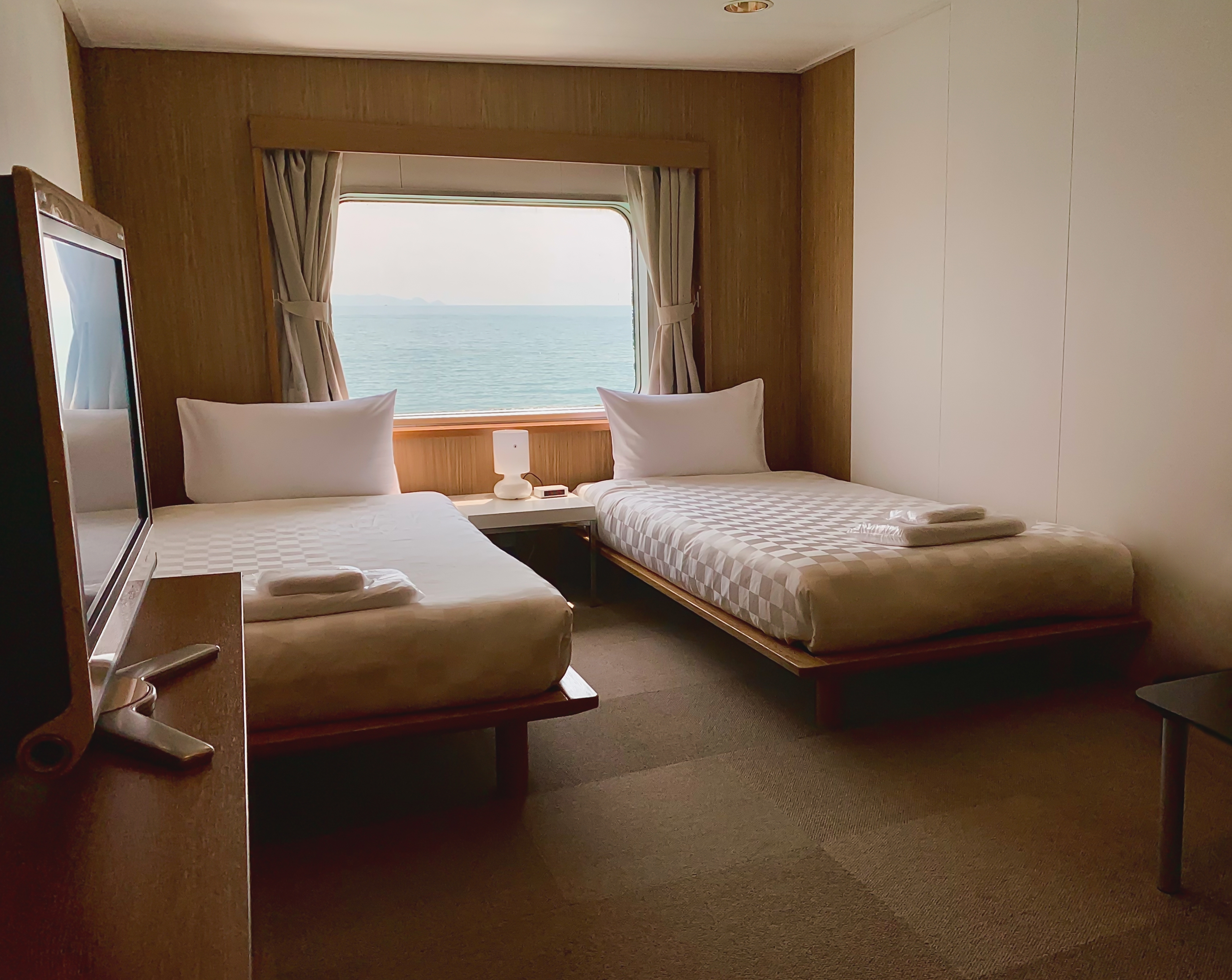 Photo: Shutterstock
A cruise covering multiple destinations could potentially cost less than half that amount, depending on the itinerary and cabin category selected.
Of course, cruises are not identical to independent travel. You won't spend several days exploring one city in depth. Instead, you wake up somewhere new almost every morning. For many travelers, that's part of the appeal.
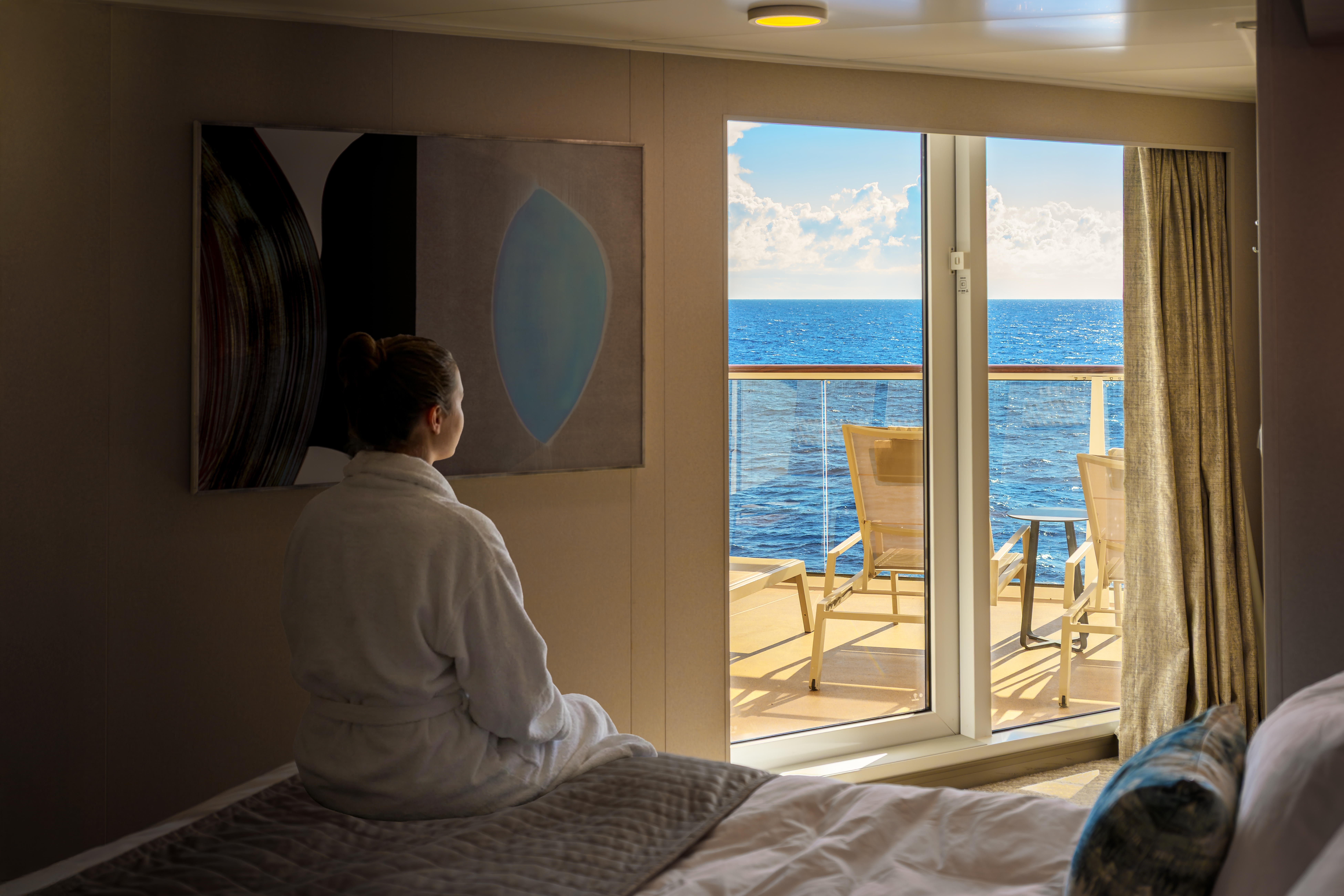 Photo: Kirk Fisher / Shutterstock.com
A Different View Every Day
One of the most enjoyable aspects of cruising is unpacking only once. Instead of navigating train stations, checking into multiple hotels, or dragging luggage across cobblestone streets, passengers simply return to the same cabin each evening.
Meanwhile, the ship does the traveling.
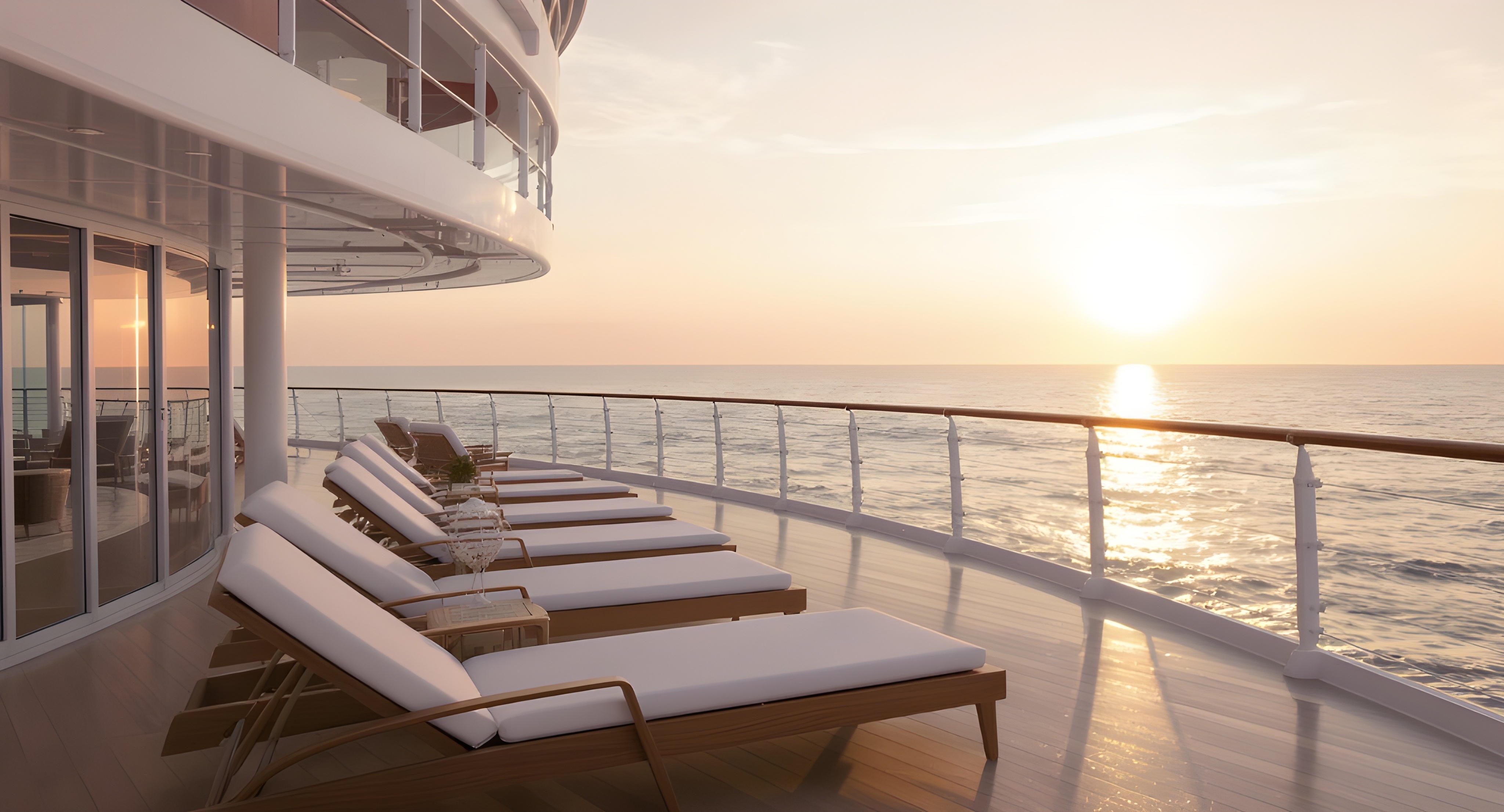 Photo: Shutterstock
A typical Mediterranean itinerary might include Barcelona, Marseille, Genoa, Naples, Palermo, and Valletta. Another example could include Athens, Santorini, Mykonos, Kusadasi, Dubrovnik, and Kotor.
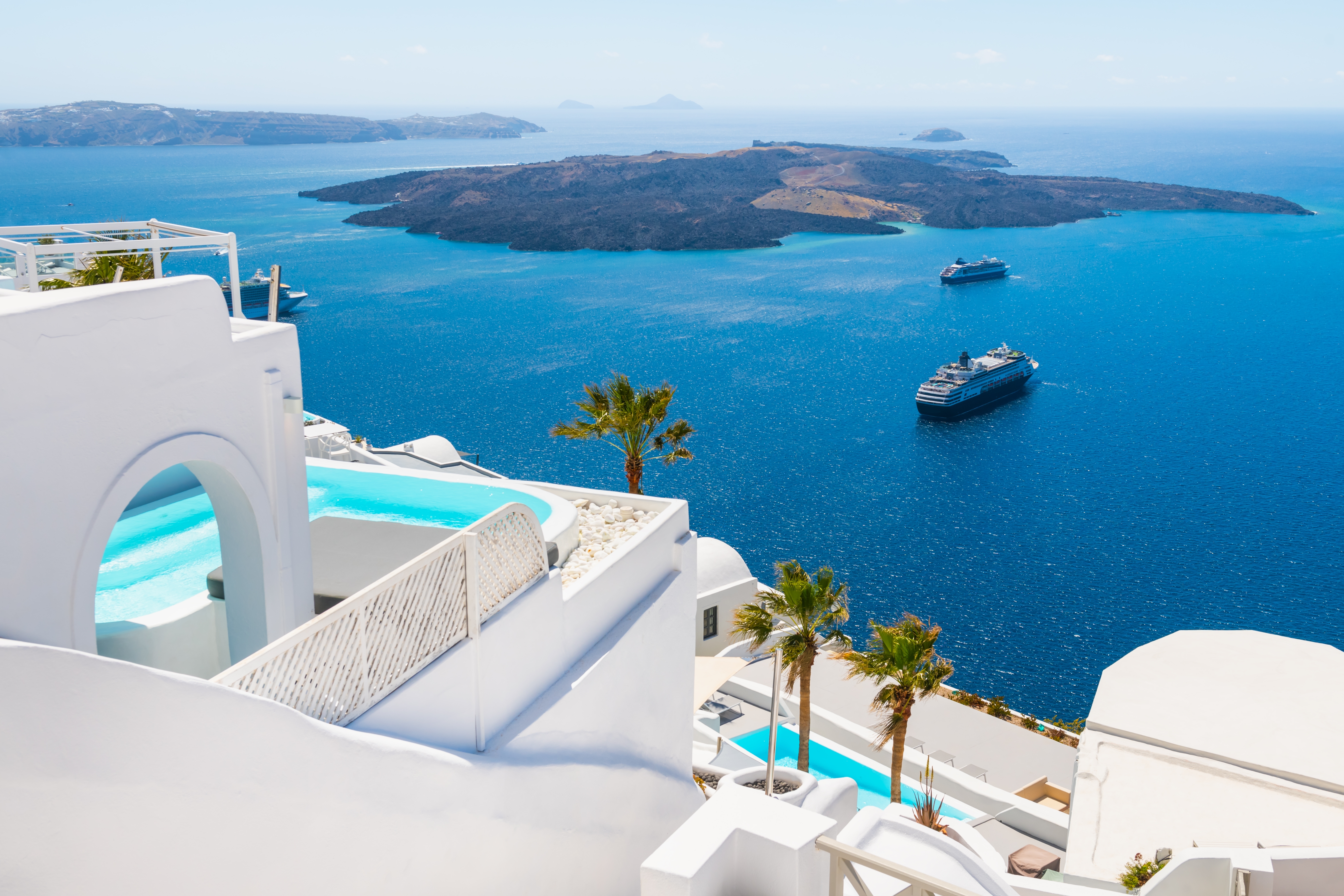 Santorini. Photo: Shutterstock:
 Each morning offers a new destination without the logistical headaches often associated with multi-city travel.
The Catch: Hidden Costs Exist
Cruises can be excellent value, but travelers should understand that the advertised fare isn't always the final price.
Additional costs may include gratuities, alcoholic beverages, specialty restaurants, shore excursions, Wi-Fi, and spa treatments. These extras can add up quickly if passengers aren't careful.
Fortunately, they are largely optional. Many experienced cruisers keep costs low by enjoying the included dining venues, exploring ports independently, and using free onboard activities.
The Best Time to Book
Some of the lowest cruise fares appear during early spring, late autumn, repositioning cruises, and last-minute sales.
Outside peak summer periods, seven-night Mediterranean sailings can occasionally be found for less than the cost of a weekend hotel stay in some European capitals.
Flexibility is often the key to securing the best deals.
Is a Cruise Right for Everyone?
Not necessarily. If you prefer spending a week immersed in a single destination, you may find cruises too fast-paced. Others may dislike fixed schedules or limited time in port.
However, for those who enjoy variety, convenience, and value, cruises offer a compelling alternative to traditional vacations.
The biggest surprise wasn't the destinations or even the food It was realizing that what many people consider a luxury holiday can sometimes cost less than staying in a hotel room on land.
The next time someone tells you cruising is only for luxury travelers, it might be worth checking the numbers yourself.
In some cases, a Mediterranean cruise can provide accommodation, transportation, entertainment, and unlimited meals for less than the price of a standard hotel room in Europe's most popular tourist cities.
And unlike a hotel, your room comes with a new view almost every morning