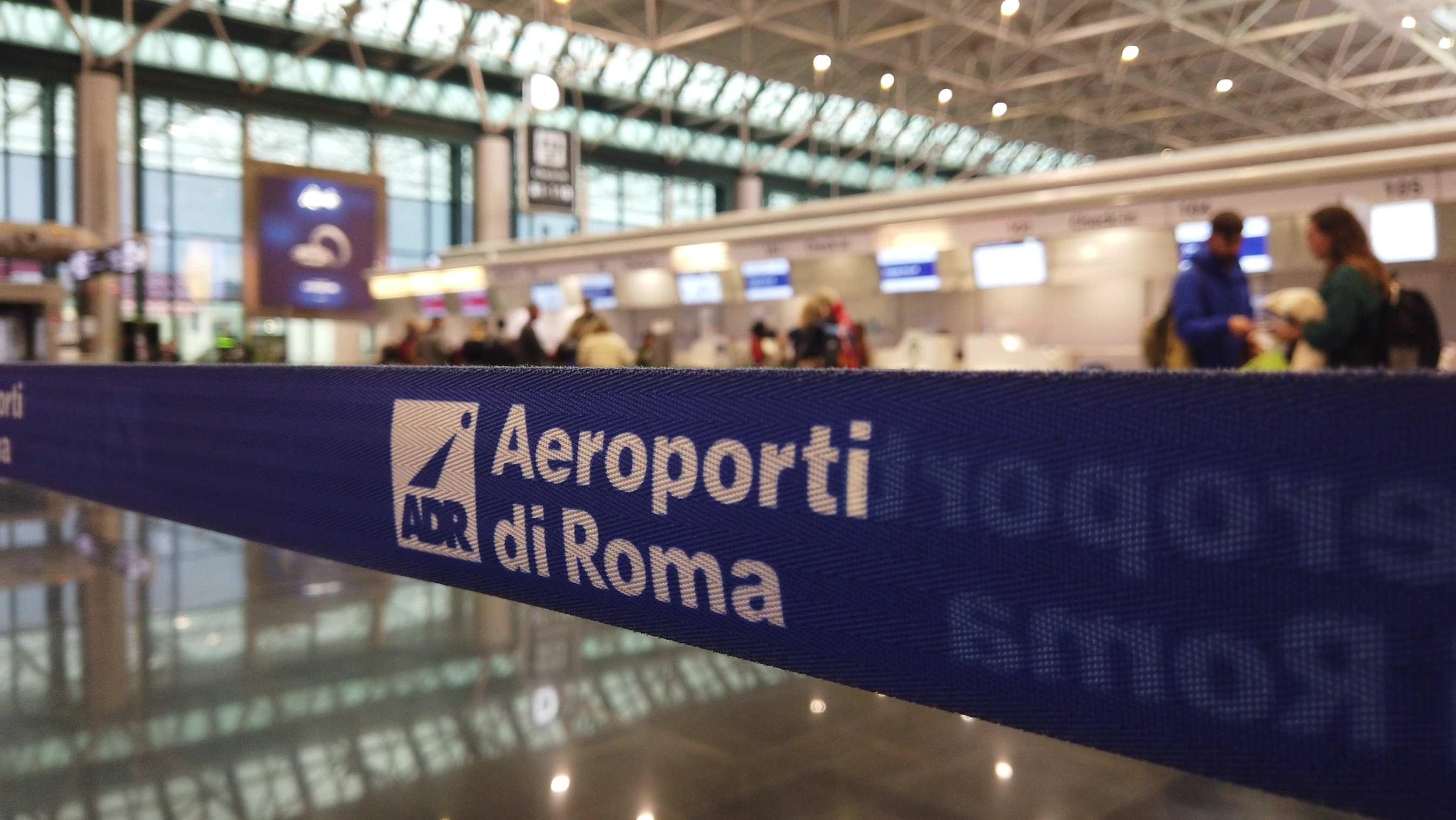
Rome’s airport system generated €31.3 billion in economic value and supported more than 590,000 jobs across Italy in 2025, according to a new study commissioned by Aeroporti di Roma (ADR).
The research, conducted with the support of consultancy PTS and based on the international methodology developed by ACI Europe, measured the direct, indirect, induced and catalytic effects of Rome’s airports on the Italian economy using the latest economic data from ISTAT.
The findings show that the capital’s airport network, comprising Leonardo da Vinci Airport and Ciampino Airport, generated economic activity equivalent to approximately 1.6% of Italy’s gross domestic product and 1.9% of national employment.
Fiumicino remained the primary economic engine within the system, contributing €28.3 billion in added value and supporting more than 538,000 jobs nationwide. ADR said the figures underline the airport’s strategic importance as a gateway for tourism, trade, investment and international connectivity.
The study also highlighted continued growth in the airports’ contribution to the economy. Compared with 2024, the shared economic value generated by Rome’s airports increased by around €500 million, representing growth of approximately 2%. Employment impact rose even faster, increasing by more than 50,000 jobs, or around 10%, across direct, indirect, induced and catalytic activities.
According to ADR, the economic significance of Rome’s airports extends well beyond aviation operations. Their connectivity supports tourism spending, logistics networks, business services, foreign investment and production chains throughout Italy, creating benefits across a wide range of industries.
Looking ahead, Rome Airports is planning further expansion at Fiumicino. A proposed fourth runway at Leonardo da Vinci Airport is expected to play a key role in accommodating future demand. Under current development objectives, the project would allow the airport to handle up to 100 million passengers annually by 2046.
Airport officials say the latest figures confirm that Rome’s airports are not only transportation hubs but also critical infrastructure supporting Italy’s long-term economic competitiveness and growth.