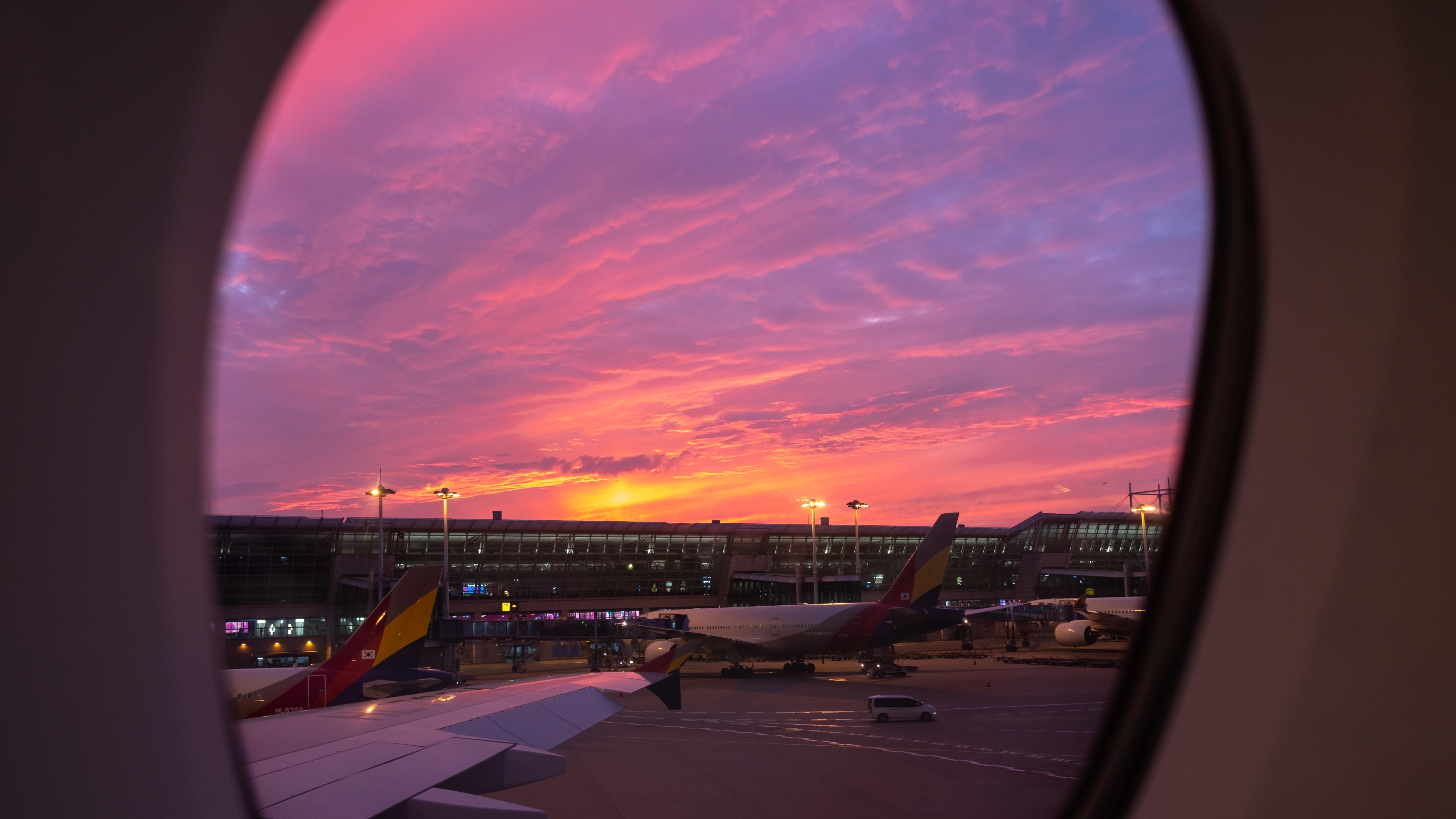
Star Alliance, the world's largest global airline alliance that celebrated its 29th anniversary in May, has confirmed that Asiana Airlines will officially exit the global airline alliance on December 16, 2026 at 23:59 Korea Standard Time, marking the end of more than two decades of membership.
The Seoul-based carrier joined Star Alliance in 2003 and has since played a key role in strengthening connectivity across Asia and the wider global network.
Alliance officials thanked Asiana Airlines and its staff for their long-standing contribution: 'On behalf of all member airlines, Star Alliance thanks Asiana Airlines and its employees for contributing to the exceptional customer experience that the Alliance is known for worldwide."
Seamless Transition for Passengers
In the lead-up to its departure, both Star Alliance and Asiana Airlines said they will work closely to ensure a smooth transition for passengers. Customers enrolled in frequent flyer programs across Star Alliance member airlines will continue to earn miles on Asiana-operated flights for travel up to October 15, 2026.
Mileage redemption will also remain available for Star Alliance award tickets and upgrades on Asiana flights for journeys completed on or before December 16, 2026, subject to each airline’s program rules. Status benefits will continue until the official exit date, meaning Star Alliance Gold and Silver members will still have access to priority services and lounge facilities when flying with Asiana Airlines during this period.
Even after Asiana’s departure, Incheon International Airport will remain a major hub for the alliance. Fourteen Star Alliance carriers, including Lufthansa, Singapore Airlines, United, ANA, Turkish Airlines and Air Canada, will continue operating more than 1,900 monthly flights to 29 destinations from Seoul’s main airport.
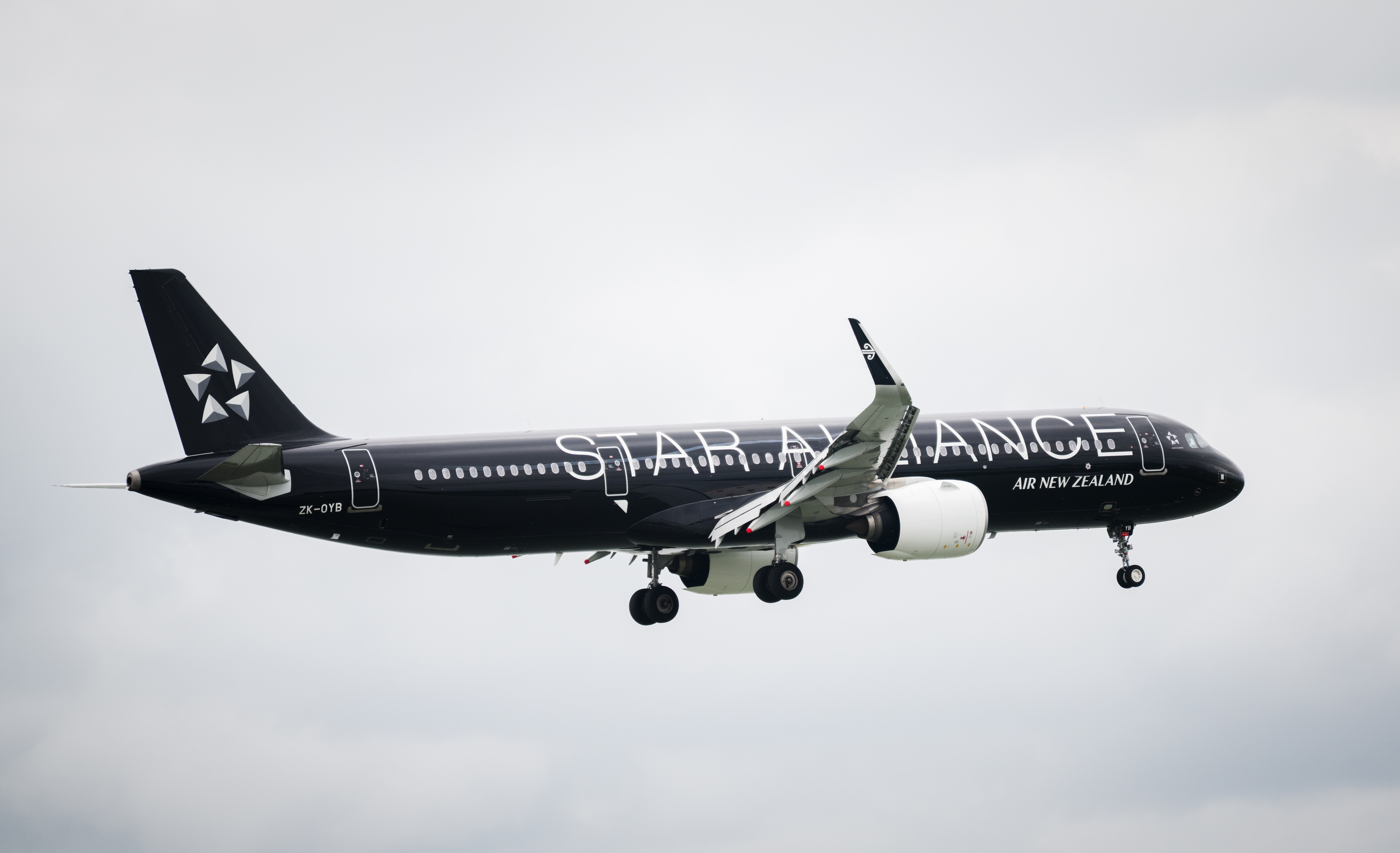 Star Alliance aircraft. Photo: Janice Chen / Shutterstock.com
From December 17, 2026, Star Alliance will operate with 25 member airlines. The organization said it remains committed to maintaining seamless global travel connections and supporting multi-airline journeys across its network, which spans more than 190 countries.
The Lufthansa Group has also been preparing for the transition. It plans to protect existing bookings from September 2026 and has outlined measures to maintain strong connectivity in the Korean market. These include a continued focus on Seoul as a destination, expanded cooperation with Jeju Air and the development of intermodal links with Korea’s national railway operator Korail.
Star Alliance, founded in 1997, was the world’s first global airline alliance. It was built on the idea of creating a unified travel experience across member airlines, offering coordinated schedules, loyalty benefits and broader network access than any single carrier could provide alone.
As Asiana prepares to leave, both sides are positioning the change as a managed transition designed to protect passenger benefits while adjusting to a shifting aviation landscape in Asia.