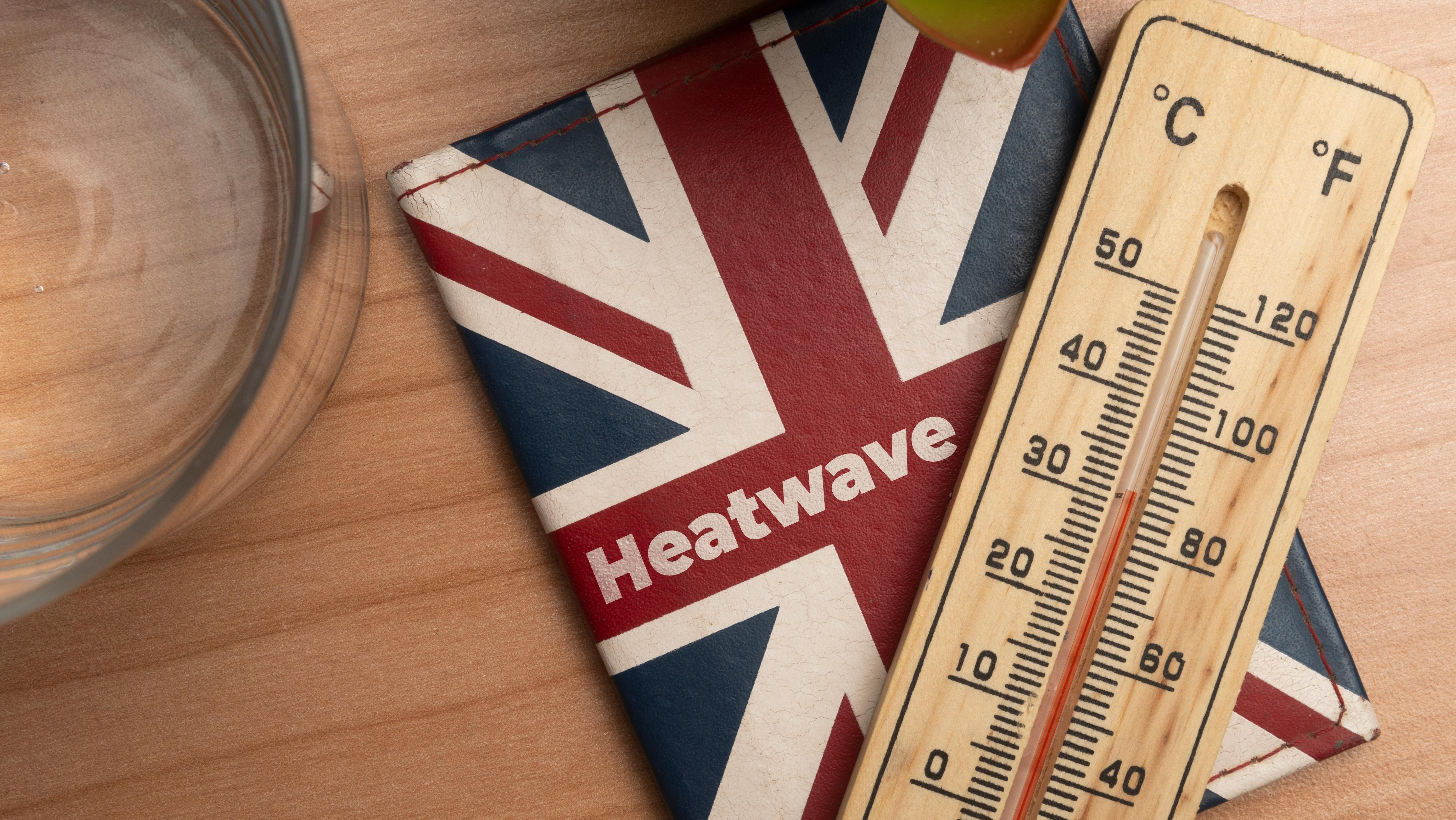
London has unveiled its first dedicated heat resilience strategy, with Mayor Sadiq Khan launching “Heat Ready London” as the capital braces for potentially record-breaking temperatures approaching 40°C.
The plan comes as the Met Office issued a rare red alert for extreme heat in the capital, with officials warning that the UK is entering a new phase of more frequent and intense heatwaves. London has already recorded increasingly extreme temperatures in recent years, including a new May high of 35.1°C earlier this year and the UK’s first-ever 40°C day in 2022.
 London during heatwave. Photo: Patrick Shutterstock / Shutterstock.com
Heat Ready London sets out a city-wide framework to prepare the capital for worsening climate conditions. It identifies heat as a growing public health and infrastructure risk, highlighting that around one million homes in London are currently vulnerable to overheating. The report also flags more than 1,300 schools, 60 hospitals and over 350 care homes located in high-risk zones.
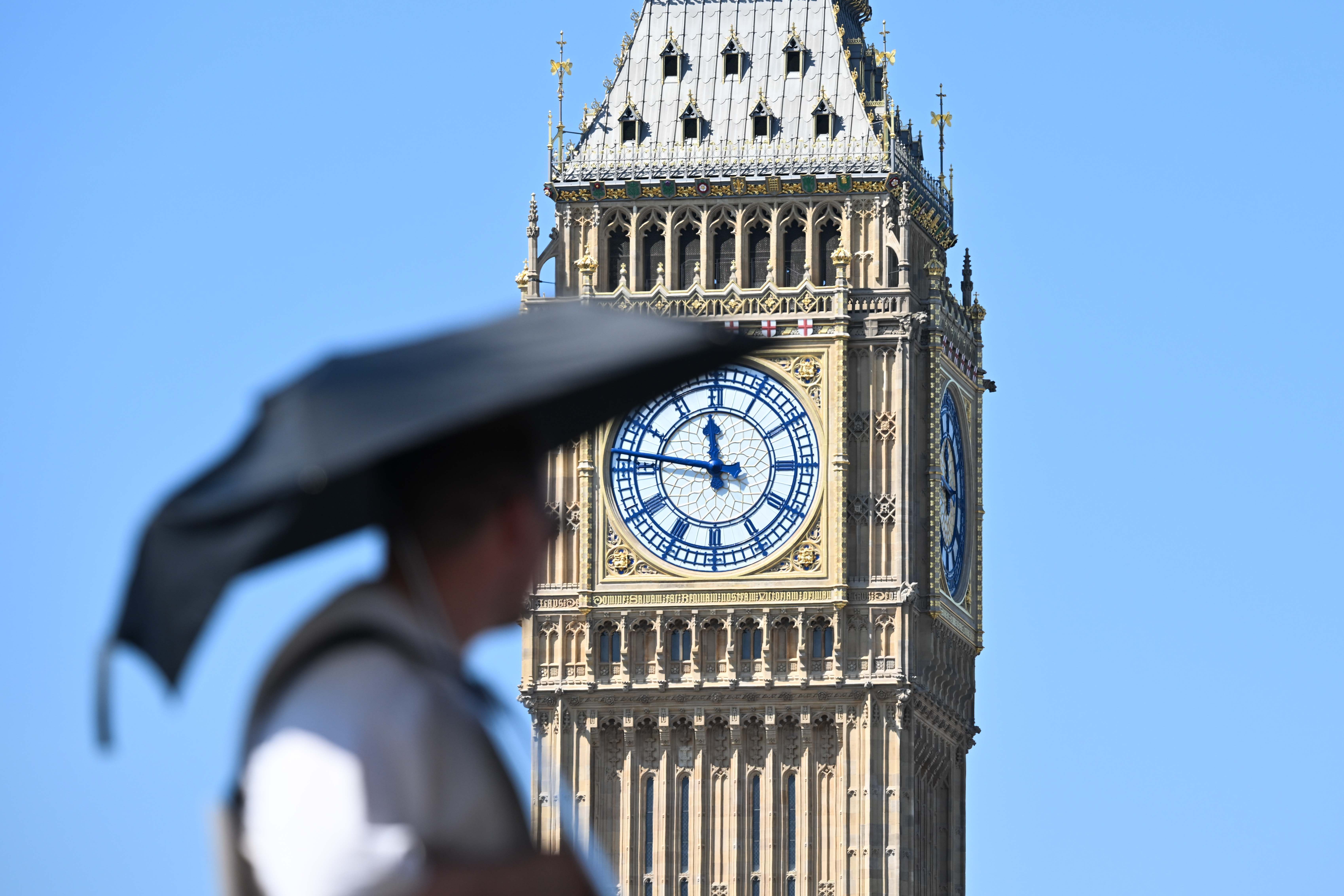 London during heatwave. Photo: Zeynep Demir Aslim / Shutterstock.com
Officials say the capital could experience two to three times more heatwaves within the next two decades, with scientists warning that prolonged hot periods combined with warm nights and high humidity could significantly increase health risks.
The strategy also outlines the economic and social impact of extreme heat. A supporting study estimates that the 2022 heatwaves cost London around £1.5 billion, affecting transport, healthcare demand, productivity and emergency services. That summer also saw record strain on fire services, with the London Fire Brigade responding to its busiest day since the Second World War.
Health data included in the report shows nearly 4,000 additional hospital attendances during hot periods each summer in London, alongside an estimated 300 preventable deaths annually linked to extreme heat.
Heat Ready London focuses on six priority areas, including the built environment, public health, emergency response, infrastructure resilience, green space and economic stability. Measures include expanding access to cooling spaces, increasing tree cover, retrofitting high-risk housing, improving water availability, and strengthening transport and energy systems.
Transport for London has already begun adapting the network, with air-conditioned trains on the Elizabeth line and Overground, partial coverage on the Underground, and upgrades to buses and stations to improve ventilation and passenger comfort.
 London heatwave. Photo: PeskyMonkey / Shutterstock.com
The Mayor described the initiative as a shift from reacting to heatwaves to treating them as a permanent feature of London’s climate future. Deputy Mayor Mete Coban said the plan is also a matter of social justice, as heat disproportionately affects low-income communities, older residents, and those in poorly insulated housing.
Climate and health experts welcomed the strategy, calling it a necessary step to reduce avoidable deaths and protect essential services as extreme heat becomes more common across the UK and Europe.
Officials say implementation will now focus on coordination across government, boroughs, emergency services and infrastructure operators to ensure London is better prepared for future heatwaves.