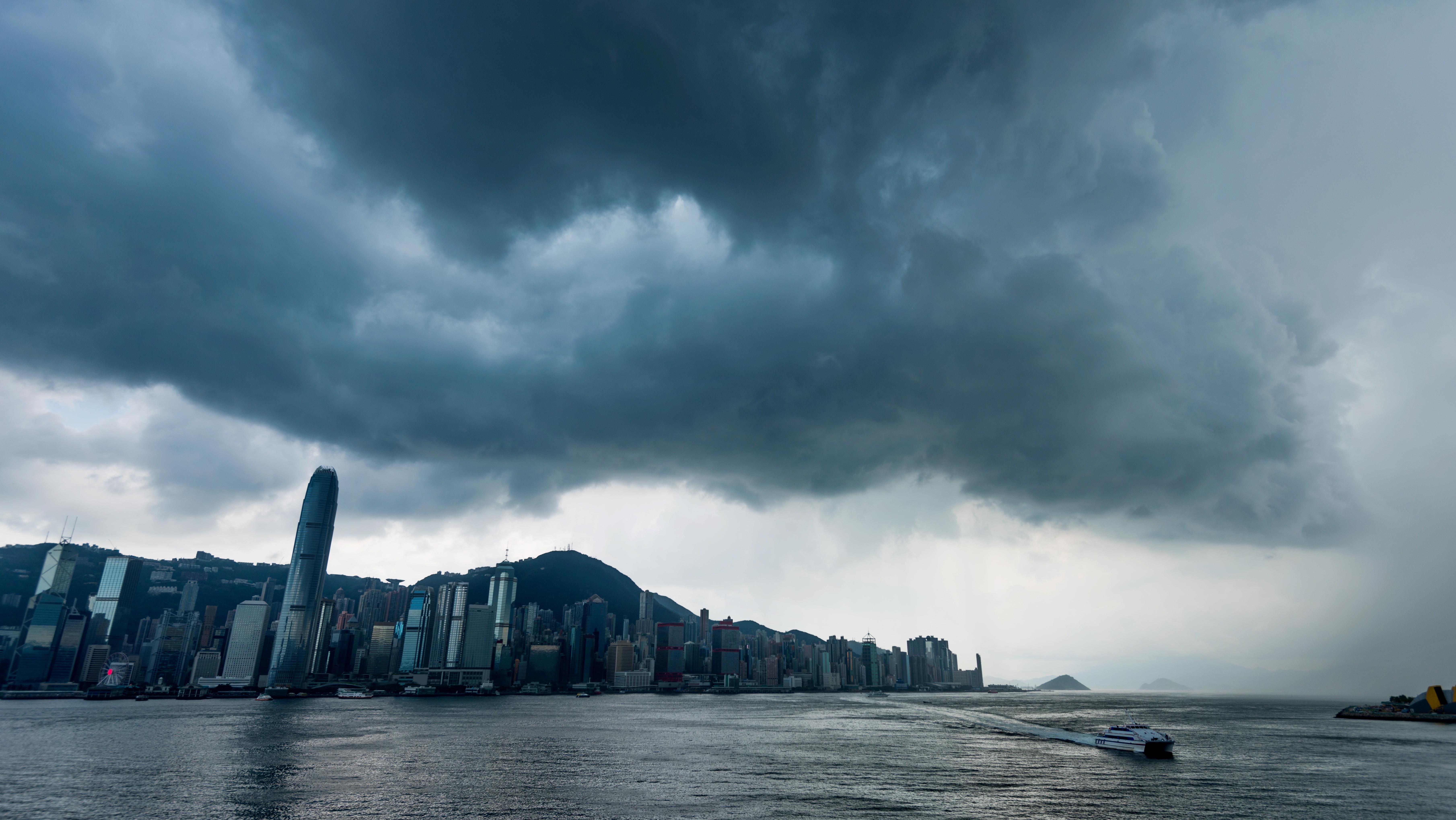
Chinese authorities have upgraded the flood-control emergency response in the Guangxi Zhuang Autonomous Region after Typhoon Maysak unleashed torrential rainfall that triggered severe flooding, damaged infrastructure and threatened several reservoirs.
According to China's Ministry of Emergency Management, the flood-control response was raised from Level III to Level II on Monday as conditions deteriorated across southern China. Under China's four-tier emergency response system, Level I represents the highest level of emergency.
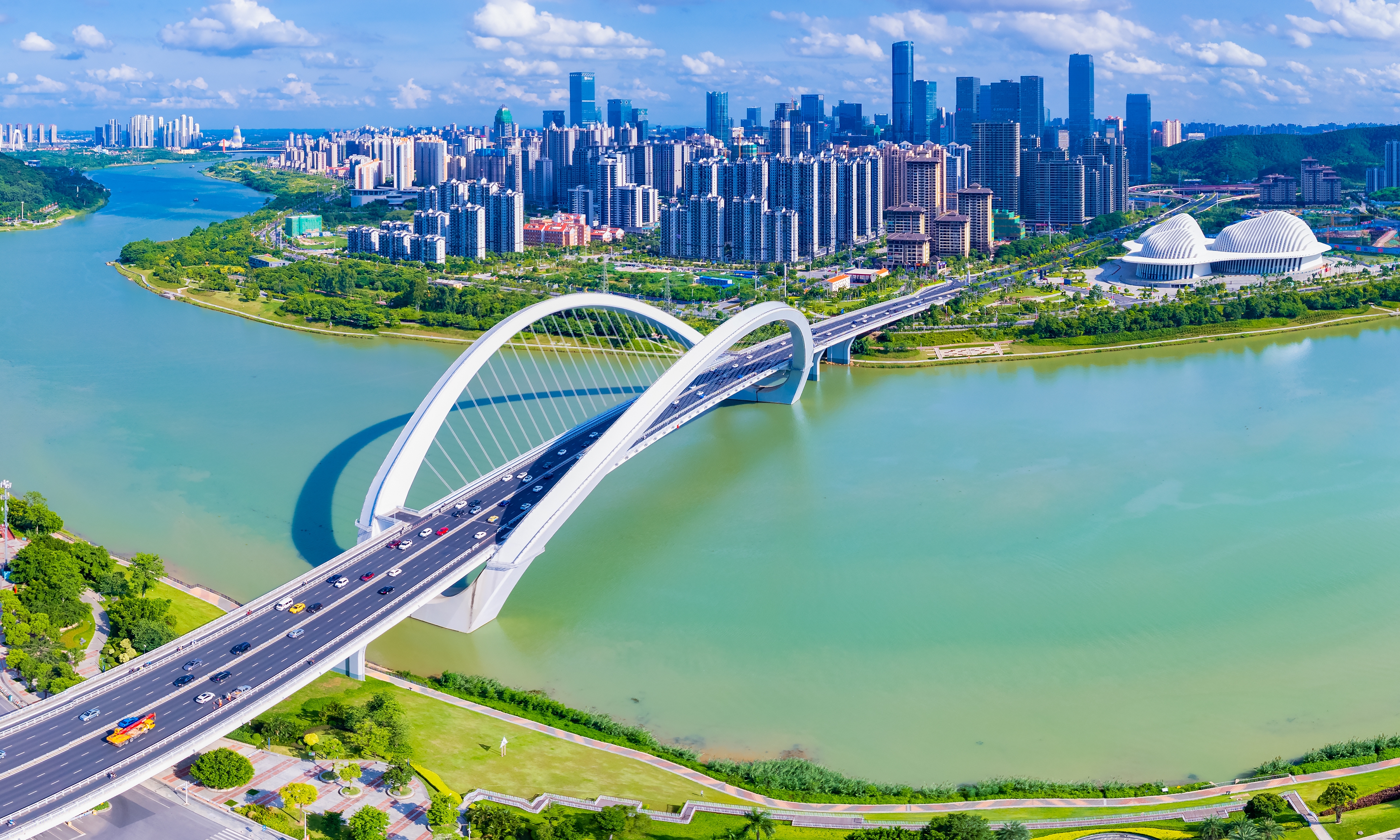 Guangxi Zhuang Autonomous Region. Photo: Shutterstock
Officials reported dangerous conditions at several reservoirs in the cities of Nanning and Guigang as heavy rainfall continued to raise water levels.
The National Commission for Disaster Prevention, Reduction and Relief also activated a Level IV national disaster relief response for Guangxi, while a central government task force was dispatched to coordinate rescue operations and support local authorities.
Intense Rescue Efforts
Emergency officials held consultations with multiple government agencies, including China's meteorological, water resources, transport and natural resources authorities, as national emergency command operations were activated.
To assist rescue efforts, the Ministry of Emergency Management deployed two Wing Loong unmanned aerial vehicles to provide emergency communications in areas where infrastructure had been affected.
Authorities also delivered emergency relief supplies, including essential goods, to support residents displaced or impacted by the flooding.
Large-scale rescue operations are underway across the region. A total of 1,372 firefighters and rescue personnel, supported by 270 emergency vehicles and 140 boats, have been deployed, while an additional 350 specialist rescuers have been sent to assist with ongoing operations.
Separately, China's National Development and Reform Commission announced it had allocated 100 million yuan (approximately US$14.7 million) from the central government budget to support emergency recovery efforts.
The funding will be used to restore damaged roads, water management infrastructure, schools, hospitals and other public facilities in an effort to help communities return to normal as quickly as possible.
The latest measures come after Typhoon Maysak brought widespread heavy rain and flooding to parts of Guangxi, resulting in casualties, property damage and significant disruption across the region. Authorities continue to monitor weather conditions as rescue and recovery operations remain ongoing.
In June, Typhoon Jangmi brought heavy rain and strong winds and caused transport disruptions in Tokyo and central Japan.