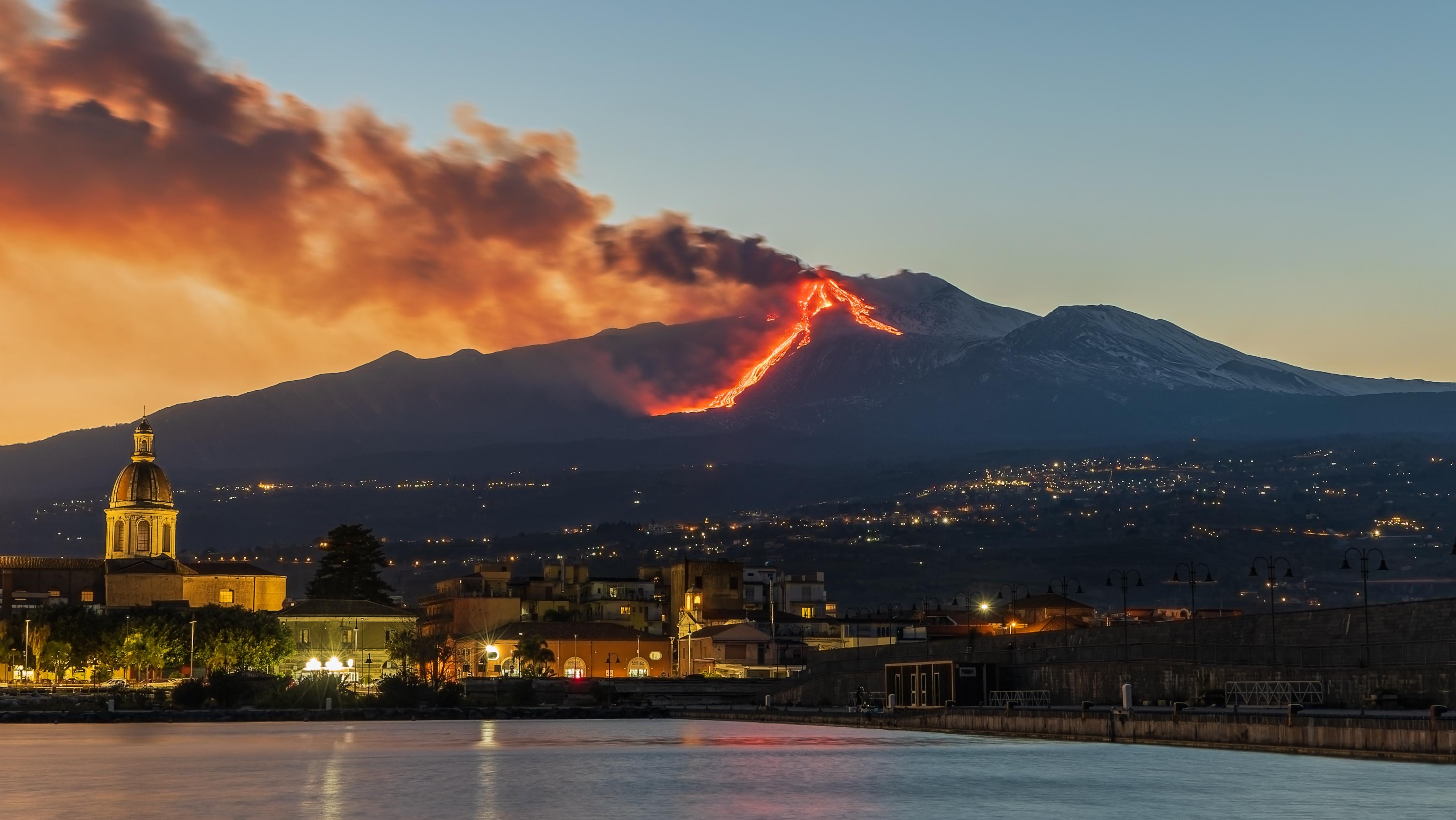
Flight disruptions continue at Catania Airport in Italy following renewed volcanic activity from Mount Etna, with airport authorities confirming that operations remain suspended until further notice.
In an update issued on Monday, July 6, the airport said all incoming flights remain suspended while departures are fully blocked.
According to the airport's flight schedule, as of this morning, July 7, all flights to and from the airport have been canceled, and operations are not expected to resume before noon.
Passengers have been urged not to travel to the airport unless they have first confirmed the status of their flight with their airline.
The latest disruption follows overnight volcanic activity between Sunday and Monday, which affected air travel in eastern Sicily. Airport officials said further updates will be provided as the situation develops.
The outbreak comes at the height of Europe's busy tourist season, a time when tens of thousands of passengers pass through Catania airport, the main gateway to eastern Sicily, every day. Any shutdown of the airport, even for a few hours, could lead to flight cancellations, delays and disruptions to other airlines' flight chains across the continent, leaving many travelers in limbo.
The announcement follows a 24-hour strike by multiple aviation workers, including easyJet pilots and cabin crew, on July 5, 2026, which triggered more flight delays and cancellations.
About Mount Etna
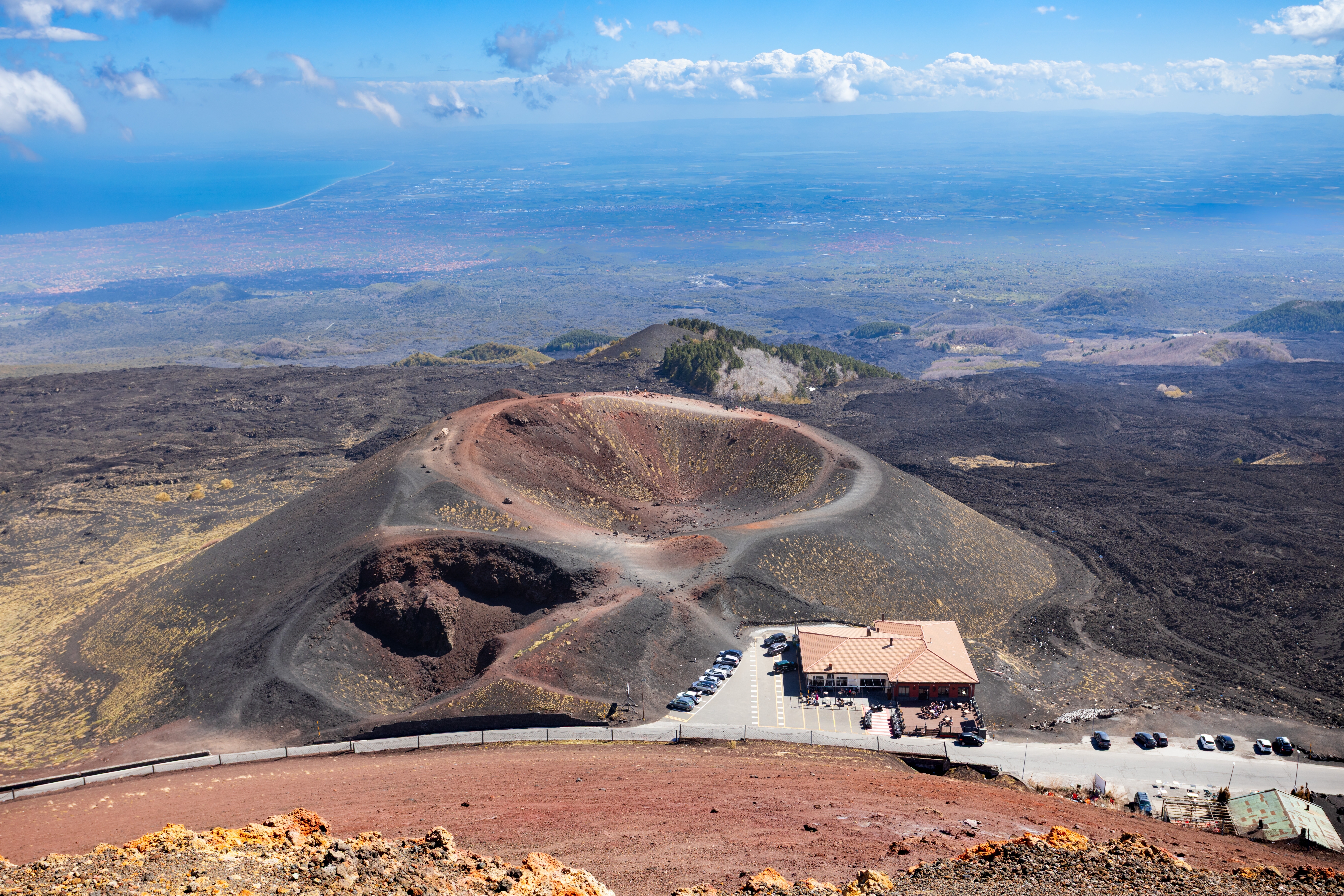 Mount Etna. Photo: Shutterstock
Mount Etna, which rises around 3,350 meters above sea level, is the largest active volcano in Europe. Located on Sicily's eastern coast, it covers an area of around 1,250 square kilometres and has been active for roughly 100,000 years.
The volcano has been shaped by thousands of years of both explosive eruptions and lava flows, creating its characteristic layered structure. Its main active craters are located at the summit, while hundreds of smaller cones have formed on its slopes during past eruptions.
One of Etna's most striking geological features is the Valle del Bove, a vast horseshoe-shaped depression on the volcano's eastern flank. Stretching about eight kilometers long and five kilometers wide, scientists believe it was formed around 10,000 years ago following a series of powerful eruptions and collapses.
Travelers due to fly through Catania are advised to monitor updates from their airline, as volcanic ash can change rapidly and further disruption remains possible.