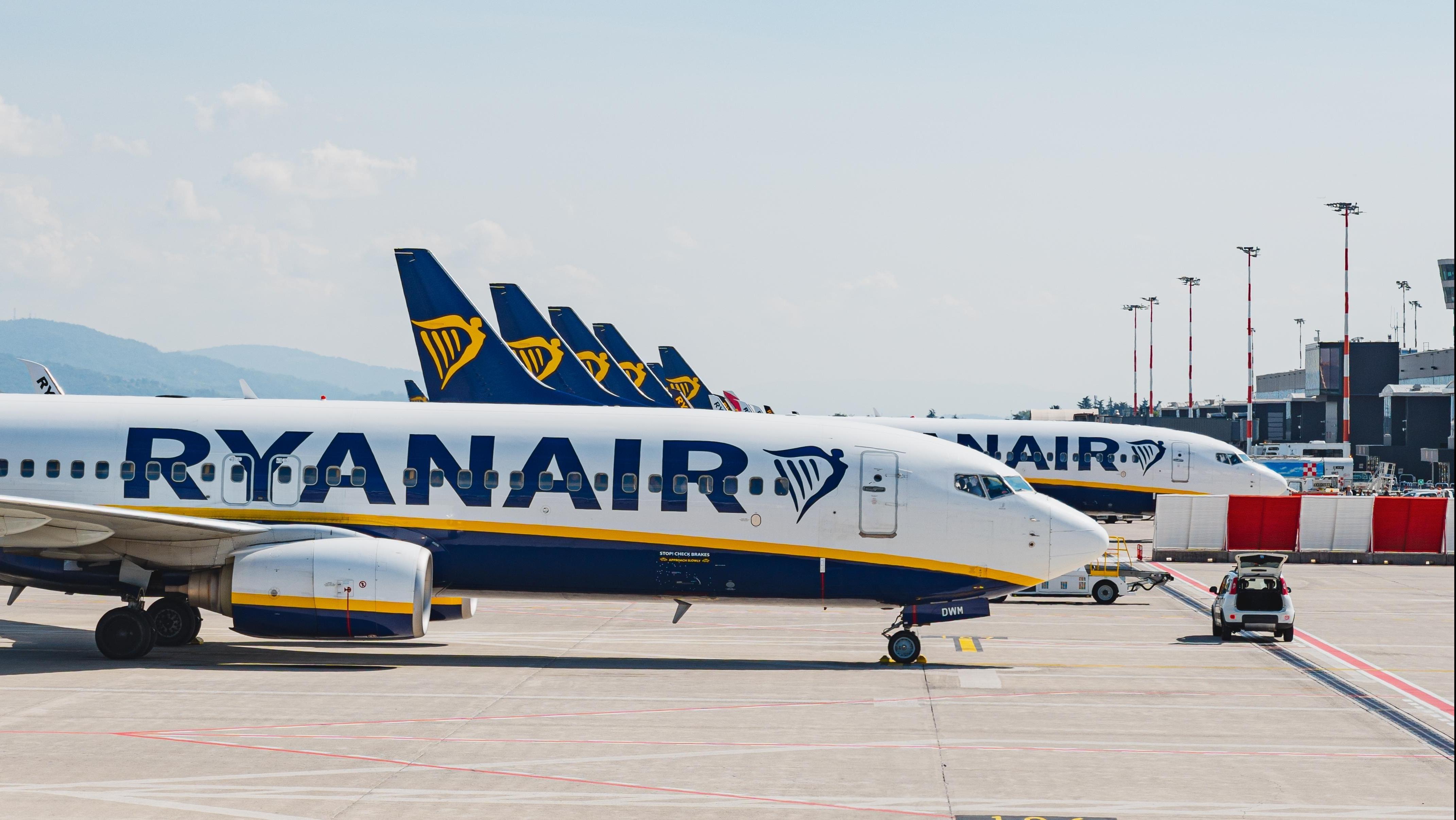
Ryanair has reported a sharp drop in quarterly profits despite carrying a record number of passengers, as higher fuel prices and lower fares weighed on the airline's performance during the first three months of its 2027 financial year.
34% Profit Drop, 6% Passenger Increase
The Irish low-cost carrier announced on Sunday, July 19, that profit after tax fell 34% to €538 million for the quarter ending June 30, down from €820 million a year earlier.
Passenger numbers, however, continued to climb. Ryanair carried 61.3 million travelers during the quarter, a 6% year-over-year increase, while maintaining an industry-leading load factor of 94%.
According to the airline, average fares fell by 6% as the conflict in the Middle East, concerns over fuel supplies, and economic uncertainty prompted passengers to book later and pushed the carrier to stimulate demand.
At the same time, Ryanair faced significantly higher operating costs. The company said the price of its 20% unhedged jet fuel more than doubled during the quarter, reaching approximately $150 per barrel, contributing to an 11% increase in operating expenses to €3.81 billion.
"Our conservative hedging policy insulates Group earnings during volatile oil markets and widens our cost advantage over all other EU competitors," Ryanair CEO Michael O'Leary said.
Important Milestones
Despite the profit decline, the airline highlighted several milestones. Ryanair repaid its final €1.2 billion bond in May and is now debt-free, with more than €2.8 billion in cash on hand. The group also said it is nearly 90% through its €750 million share buyback program.
Looking ahead, Ryanair expects passenger traffic to grow by 4% to 216 million travelers during FY2027. The airline is continuing to expand across Europe and North Africa, opening new bases in Rabat, Tirana, and Trapani while adding 130 new summer routes.
Conversely, Ryanair said it is reducing capacity in markets it considers too expensive, including Austria, Germany, Dublin, and parts of regional Spain, citing higher aviation taxes and airport fees.
The carrier remains optimistic about its long-term prospects, pointing to ongoing aircraft delivery delays affecting competitors and its large order book of Boeing 737 MAX-10 aircraft. Ryanair expects to receive its first MAX-10 jets in spring 2027 and aims to carry more than 300 million passengers annually by 2034.
However, O'Leary warned that uncertainty remains high, with future earnings dependent on fuel prices, booking trends, geopolitical developments in the Middle East and Ukraine, and continued air traffic control disruptions across Europe.