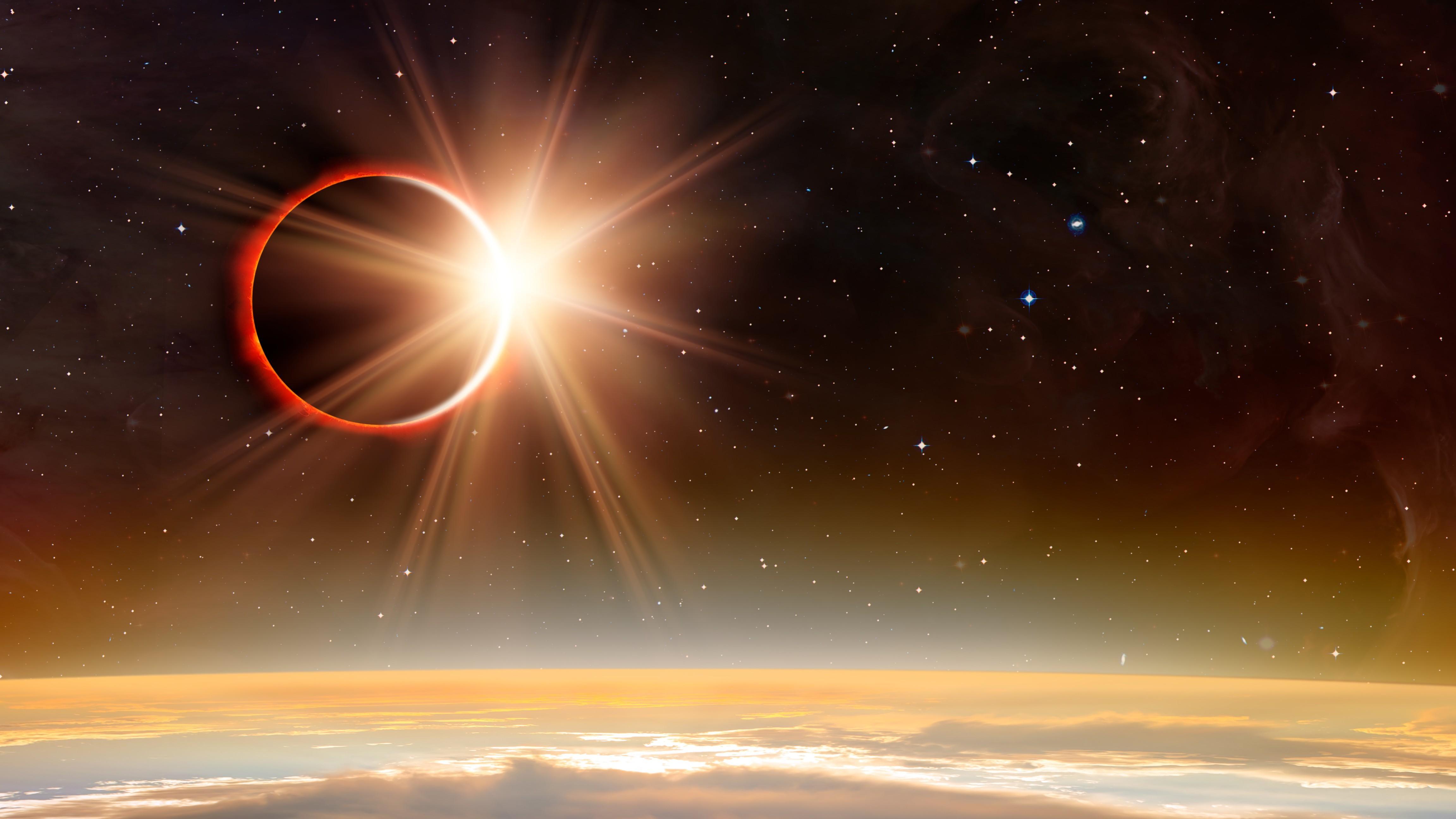
Astronomy enthusiasts are already preparing for the total solar eclipse that will occur on August 12 and pass over Greenland, Iceland, northern Russia, the Atlantic Ocean, Spain, and a small part of Portugal.
The American space agency NASA announced that it will hold a special live broadcast of the event, combining real-time images from various points along the eclipse's path with explanations and interviews with scientists and space researchers. The space agency expects millions of viewers to follow the event.
Even those who are not in the area of the total eclipse will be able to enjoy the phenomenon: a partial eclipse will be visible in large areas of the Northern Hemisphere, including parts of the United States, most of Canada, much of Europe and northwestern Africa. In addition to the public broadcast, NASA researchers will use the event to conduct a series of scientific experiments.
Meanwhile, as part of the Nationwide Eclipse Ballooning Project, students from universities in the United States will launch research balloons from Iceland and Spain before, during, and after the eclipse. The balloons will collect data on the effect of the temporary darkening of the sun on Earth's atmosphere.
NASA's live broadcast will begin on August 12 at 5:15 p.m. GMT time, with the total eclipse phase in Iceland beginning about half an hour later, and later passing over Spain. For scientists, photographers, and space enthusiasts, this is one of the most prominent natural and scientific events of 2026.