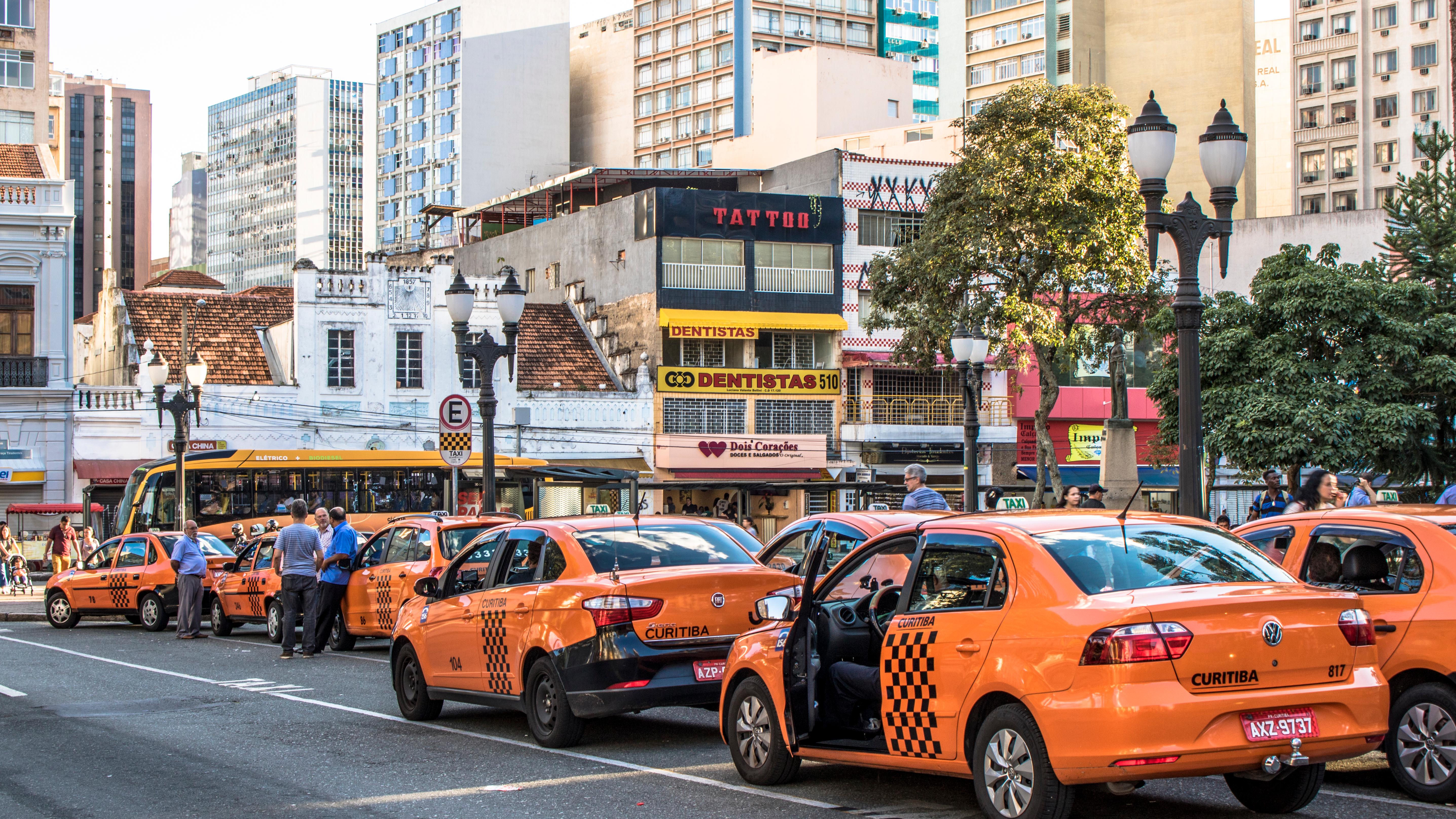
Travelers heading to Brazil are being warned about the risks of using unlicensed taxis and fraudulent ride-hailing services, with reports of express kidnappings, assaults and robberies involving vehicles posing as legitimate transport services.
The UK Foreign, Commonwealth & Development Office (FCDO) advises visitors not to hail taxis on the street and to use authorized taxi booths available at most Brazilian airports.
Ride-hailing services such as Uber are widely available across Brazil, but the FCDO warns that travelers should remain alert to unregulated drivers pretending to operate for legitimate apps. The risk is particularly relevant at airports, where arriving passengers may be approached by drivers offering transport.
The FCDO recommends that travelers book rides exclusively through the official app and remain in a safe location until their vehicle arrives. At airports, passengers should use designated pick-up areas where available.
Travelers should also check that the vehicle registration number and driver information shown in the app match the car and driver who arrive.
The advice comes as authorities highlight the potential dangers of getting into an unofficial vehicle. Travelers are also advised to monitor their journey through the app and remain alert if the driver unexpectedly changes the route or destination.
How to Stay Safe When Using Uber in Brazil
The FCDO recommends several precautions for travellers using ride-hailing services in Brazil.
Passengers should avoid displaying mobile phones or other valuables unnecessarily, particularly when waiting for a vehicle or travelling through unfamiliar areas. Using safety functions available through ride-hailing apps, including trip tracking and location sharing, is also recommended.
The guidance is particularly relevant for visitors arriving at busy airports, where travellers may be tired, carrying luggage and unfamiliar with local transport arrangements.
Instead of accepting offers from drivers approaching passengers inside or outside terminals, travellers should arrange their journey through the official app and verify the details before getting into the vehicle.
The FCDO also advises travellers who have concerns about flying within Brazil to check with their tour operator regarding any issues involving airlines.
Passport and Transport Advice
The travel guidance also includes information for British nationals who lose their passports in Brazil.
Those who have been victims of passport theft and need to travel to Brasília, São Paulo or Rio de Janeiro for consular services can use domestic flights with a valid photo identification document or a police report, according to the FCDO.
The safety warnings extend beyond road transport. The FCDO says there have been armed and unarmed attacks on merchant vessels, including British-flagged ships operating off the Brazilian coast and in some Brazilian ports.
Rail passengers are also advised to take precautions. There have been cases of theft and robbery on Brazil's rail network, including urban metro systems.
Travelers are advised to avoid wearing expensive jewelry or watches and to avoid using mobile phones during train journeys, reducing the risk of becoming a target for thieves.
For tourists, the latest advice highlights the importance of planning transport before arriving in Brazil and using recognized services rather than accepting unsolicited offers. Checking driver and vehicle details may take only a few seconds, but the FCDO says these precautions can help travelers avoid potentially serious incidents.
Visitors should check the latest official travel advice before departure, particularly if they plan to use taxis, ride-hailing services or public transport frequently during their stay.