The recent attempted attack on a flydubai flight from Dubai to Tel Aviv, originally reported as a violent incident among crew members, forcefully brought the issue of aviation security back to the agenda.
Accordingly, Thailand, the country recently hit by devastating floods, is preparing for a significant change in how passengers' luggage will be checked to take effect.
Airports of Thailand (AOT), which operates the country's main airports, is publishing detailed instructions for passengers regarding the inspection of baggage sent to the aircraft's hold, ahead of the new procedures coming into effect.
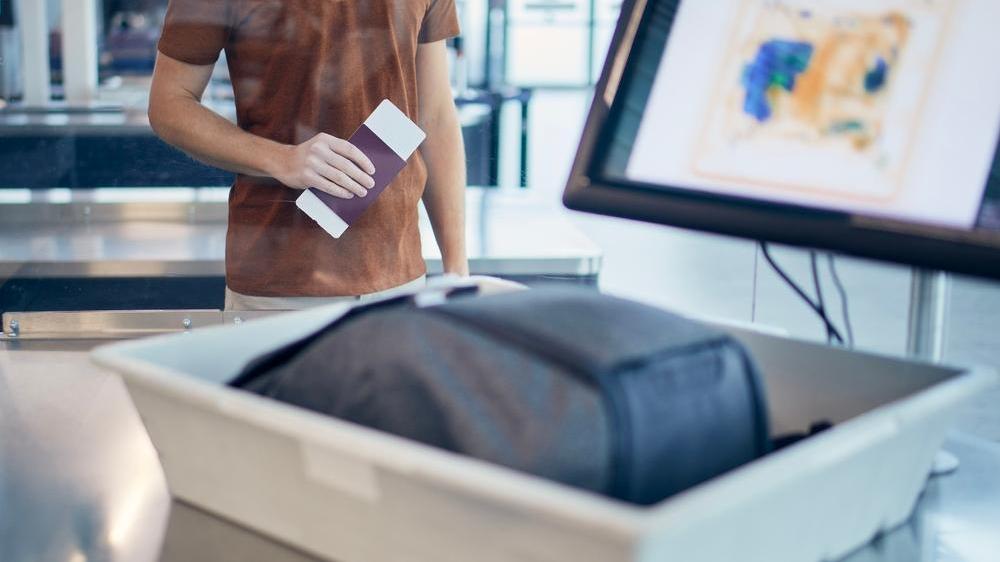
Starting on October 16, 2026, when security screening raises reasonable suspicion that a suitcase contains a prohibited item or may endanger aviation safety, security personnel will be authorized to open and inspect it, even if the passenger or owner is not present.
Is the Suitcase Suspicious? They Won't Have to Wait for the Passenger
This is actually one of the most important practical changes for passengers.
Until now, locating the owner of a suitcase to open it could delay the inspection process and even the flight. CAAT, the Civil Aviation Authority of Thailand, explains that the new arrangement is intended to increase security and reduce delays caused by the need to locate the owner of the luggage before it can be opened.
However, Thai authorities emphasize: This is not permission to open luggage randomly or indiscriminately. Opening without the passenger's presence should only be carried out when the inspection, for example through the screening system, raises suspicion of a prohibited item or an item that could affect the safety of the flight.
All Suitcase Openings to Be Photographed
And here comes the control mechanism.
AOT stipulates that the entire process of opening and examining the suitcase will be continuously recorded on video, so it will be possible to check in retrospect who performed the inspection and what was in the suitcase.
After opening the suitcase, security personnel will leave a Notice of Baggage Inspection inside, an official notice informing the passenger that their suitcase has been opened and inspected.
Explosives, Weapons or Suspicious Items: Can They Be Confiscated?
The procedures also specify what happens if an inspection finds a prohibited item.
The Thai definition includes items that could be used to commit an act of unlawful interference with civil aviation or endanger an aircraft, its occupants, or aviation facilities. The guidelines give examples such as explosives, weapons, and ammunition.
When security personnel discover prohibited items, explosives, hazardous materials, or suspicious objects, they are authorized to seize them in accordance with the law. AOT guidelines state that items seized in this context will not be returned.
Pay Attention to the Type of Lock You Use
And there is also a change that may be very noticeable for Israeli travelers.
Authorities recommend using a TSA Lock. In the event that security personnel are required to open a suitcase equipped with such a lock, a dedicated key can be used, the inspection can be performed, and the case can be relocked without damaging the lock or the suitcase.
But if the suitcase is locked with a lock that cannot be opened in this way and a security check is required, the guidelines allow security personnel to bypass the locking mechanism, including cutting the lock, forcibly opening a strap, or cutting a zipper.
AOT also clarifies that when damage occurs during this legal security operation, the passenger bears the risk and cannot demand compensation for damage caused by the opening.
Power Bank Not in Your Carry-On? See What Will Happen to It
The guidelines also emphasize the prohibition on bringing spare lithium batteries and power banks into checked baggage. These batteries must be carried in hand luggage only and in accordance with the relevant capacity restrictions.
The authorities also recommend avoiding putting valuables, fragile items, important documents, and essential personal belongings in the suitcase sent to the belly of the plane.
The timing is especially noticeable after the serious incident on the flydubai flight to Tel Aviv, but it is important to separate the two: the change in Thailand is not a response to the flydubai incident.
CAAT published the regulations on February 19, 2026, and they were set to take effect on October 16. The authority said the preparation period was meant to allow airports, airlines, and relevant entities to prepare their personnel, systems, and passenger communications for the new arrangement.
CAAT also emphasized that this aligns with international standards and practices used in countries worldwide.
Still, it's hard to ignore the timing: less than two weeks before the rules go into effect, the flydubai incident illustrated once again how quickly a civilian flight can become the scene of a security incident.
Starting October 16, the message to travelers in Thailand will be clear: if the suitcase raises security concerns, the authorities will not have to wait for its owner to check what is inside.