The International Air Transport Association (IATA) is calling on governments to strengthen the Carbon Offsetting and Reduction Scheme for International Aviation (CORSIA) as the global aviation carbon scheme marks its 10th anniversary.
CORSIA was established by the International Civil Aviation Organization (ICAO) in 2016, creating the first global market-based climate measure for an industrial sector.
More than 130 countries now participate in CORSIA. IATA estimates that the scheme will have helped mitigate around 200 million tonnes of CO2 by the end of 2026, while from 2027 it is expected to cover about 85% of global aviation emissions. Up to $120 billion could also be mobilized for emissions reduction and carbon removal projects over the lifetime of the scheme.
IATA Senior Vice President Sustainability and Chief Economist Marie Owens Thomsen said CORSIA demonstrates what international cooperation can achieve on climate action while maintaining a level playing field for airlines.
The 10th anniversary comes as the European Union reviews its Emissions Trading System (EU ETS). Under proposals being considered, the scheme could be expanded to cover destinations within 5,000 kilometers of the EU, using Frankfurt as the geographic reference point. The EU is also considering a mechanism for developing comparable carbon-pricing systems with third countries.
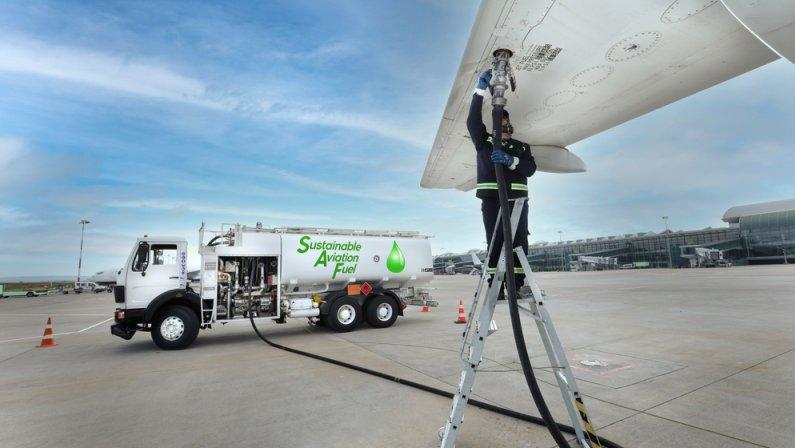 SAF. Photo: Shutterstock
The association is also calling for more support for sustainable aviation fuel (SAF), including earlier financial assistance, fewer geographic restrictions and the use of aviation ETS revenues for SAF production, infrastructure and new aviation technologies.
IATA estimates that the proposed expansion of the EU ETS could increase compliance costs by 40% to €280 billion between 2027 and 2040. The organization says a wider EU ETS could also affect international connectivity, airline competitiveness, and the functioning of CORSIA.