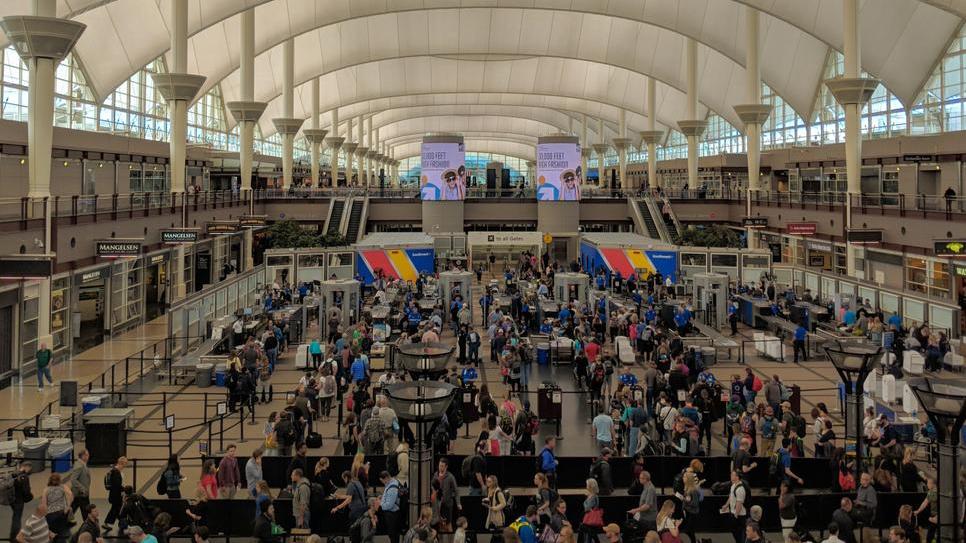
Starting today, October 16, Thailand will introduce a new procedure for inspecting checked baggage.
According to the Civil Aviation Authority of Thailand (CAAT), security personnel may open and inspect a suitcase without the passenger present if they reasonably suspect it contains a prohibited item or an object that could endanger flight safety.
The authority emphasizes that this is not a random opening of suitcases: the inspection will be carried out when suspicion arises during security screening, for example, during screening.
According to guidelines issued by Suvarnabhumi Airport, the process of opening and inspecting the suitcase will be recorded on video. After the inspection, a message will be left inside for the passenger, and if prohibited items or dangerous materials are found, security personnel will be authorized to confiscate them.
Authorities recommend using a TSA-standard lock, which can be opened and re-locked with a designated key. If an inspection is required and the suitcase is locked with a lock that does not allow this, the guidelines allow bypassing the locking mechanism, among other things, by cutting the lock or zipper.
According to AOT, passengers bear the risk of damage caused during opening under the procedure and cannot claim compensation for it.
The airport guidelines also emphasize that spare lithium batteries and portable chargers (Power Banks) are prohibited in checked baggage and must be carried in hand luggage, subject to capacity limitations.
Against the Backdrop of the flydubai Incident
The entry into force of the procedure today takes on additional significance in light of the flydubai FZ1073 incident, in which, according to an update from the General Prosecutor's Office in the United Arab Emirates, the co-pilot began to implement a pre-planned terrorist plan to take control of the plane and carry out a suicide attack at the Ben Gurion Airport terminal.
The event brought aviation security back to the center of the conversation, amid fear, heightened alertness, and industry upheaval. However, it is important to clarify: Thailand published the regulations in February and set them to take effect on October 16, so the procedure is not a response to the flydubai incident.