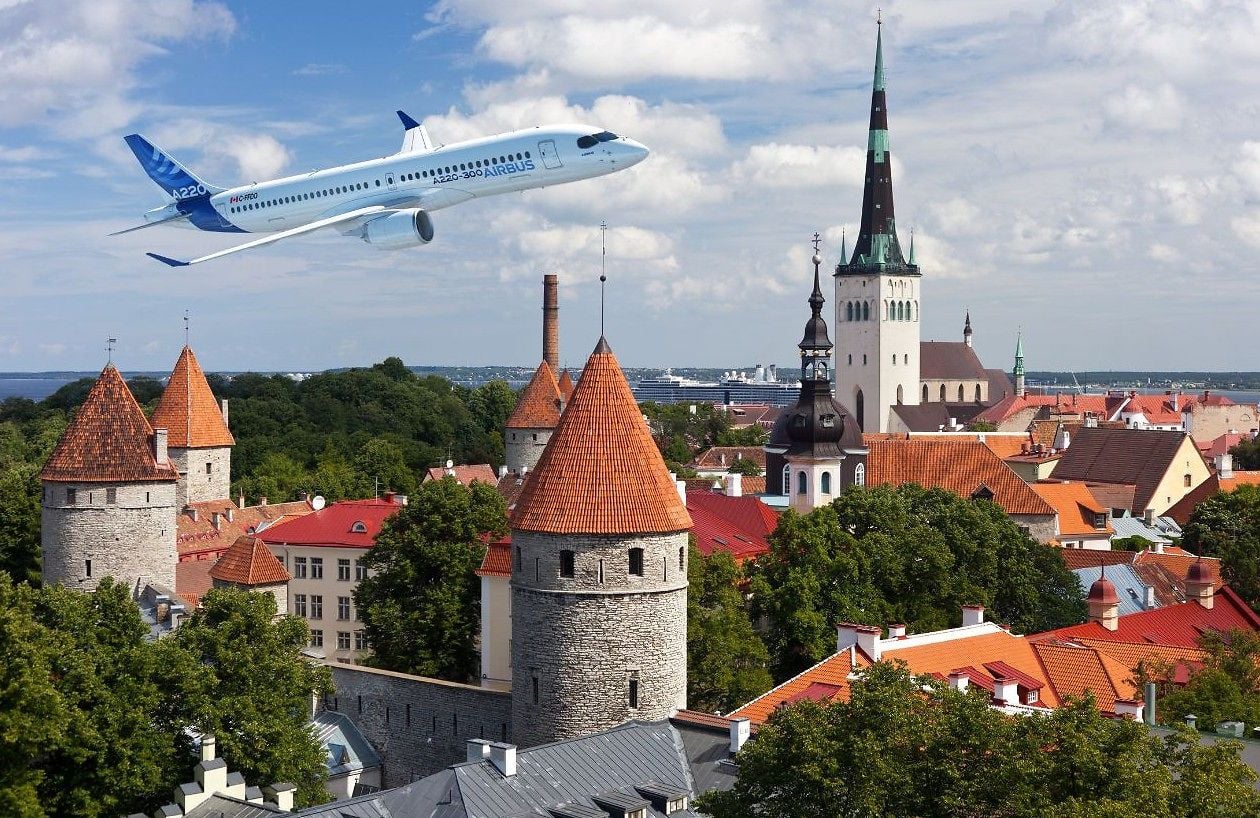
The Airbus A220 is changing how airlines connect smaller cities with distant destinations, opening routes that were previously difficult or uneconomical to operate directly. Since entering commercial service, the aircraft has helped establish more than 300 new routes, carried over 240 million passengers and accumulated more than 3.6 million flight hours across 25 operators on five continents, according to Airbus.
In a new story published on November 3, 2026, Airbus highlights how the A220's combination of range, passenger capacity and operating economics is allowing airlines to serve destinations that previously required connections through major airports.
One example is airBaltic's direct service between Tallinn, Estonia, and Tenerife in the Canary Islands. Covering more than 4,600 kilometers, the flight connects northern Europe with a popular Atlantic holiday destination without requiring passengers to change aircraft at an intermediate hub.
Airbus says the route illustrates the market gap the A220 was designed to address: connections with enough demand to support regular flights but insufficient passenger volumes to justify larger aircraft, or distances beyond the capabilities of older regional jets.
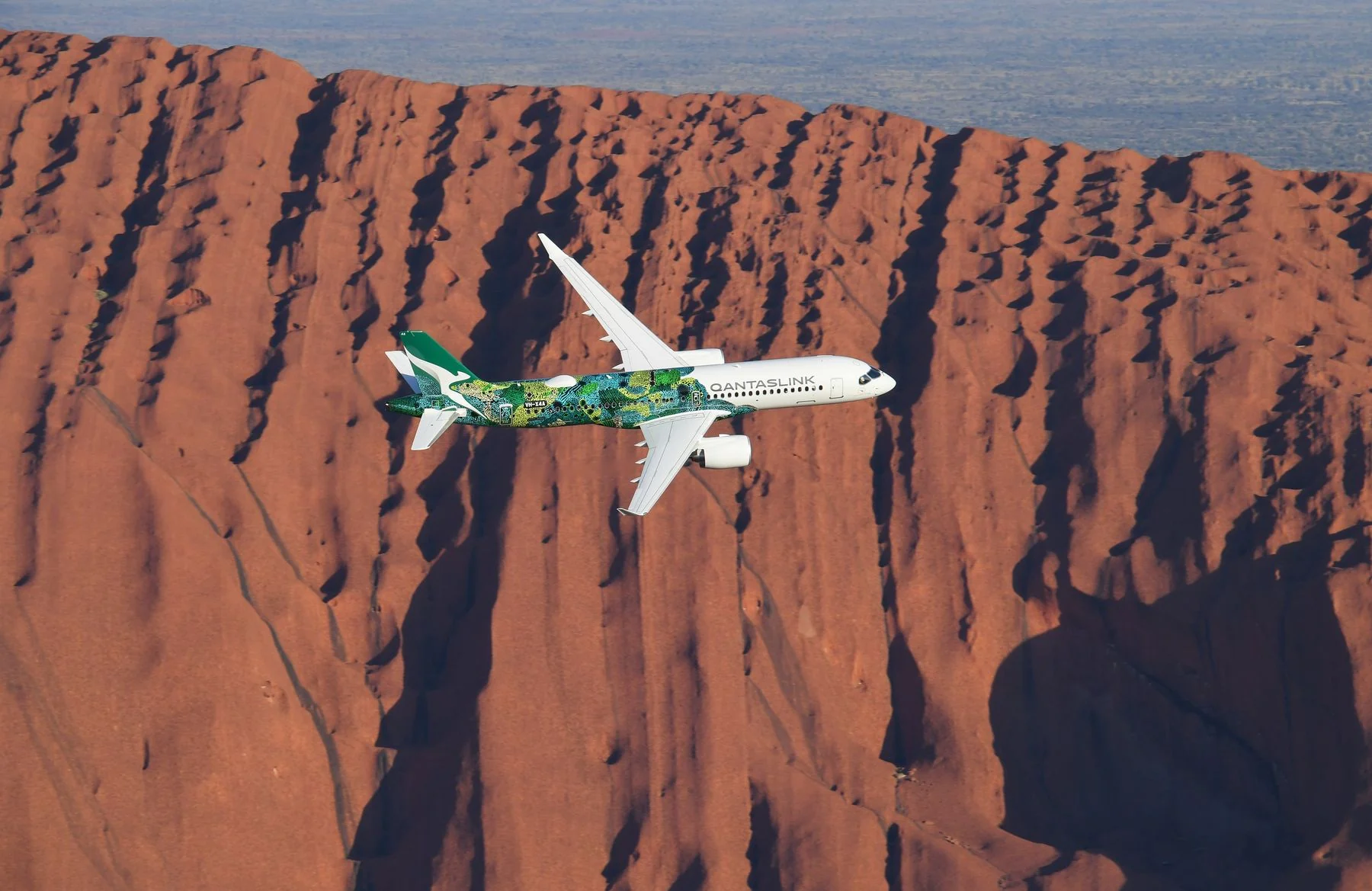 A220 Uluru Australia Qantas Link
A New Market for Direct Long-Distance Flights
The A220 was developed as a clean-sheet aircraft for the 100-to-160-seat market. With a range of up to 3,600 nautical miles, it combines the ability to operate longer routes with the capacity and economics needed for thinner markets.
Airbus A220 Chief Engineer Jean-François Parent said the development objective was to create the best aircraft possible in the 100-to-160-passenger category.
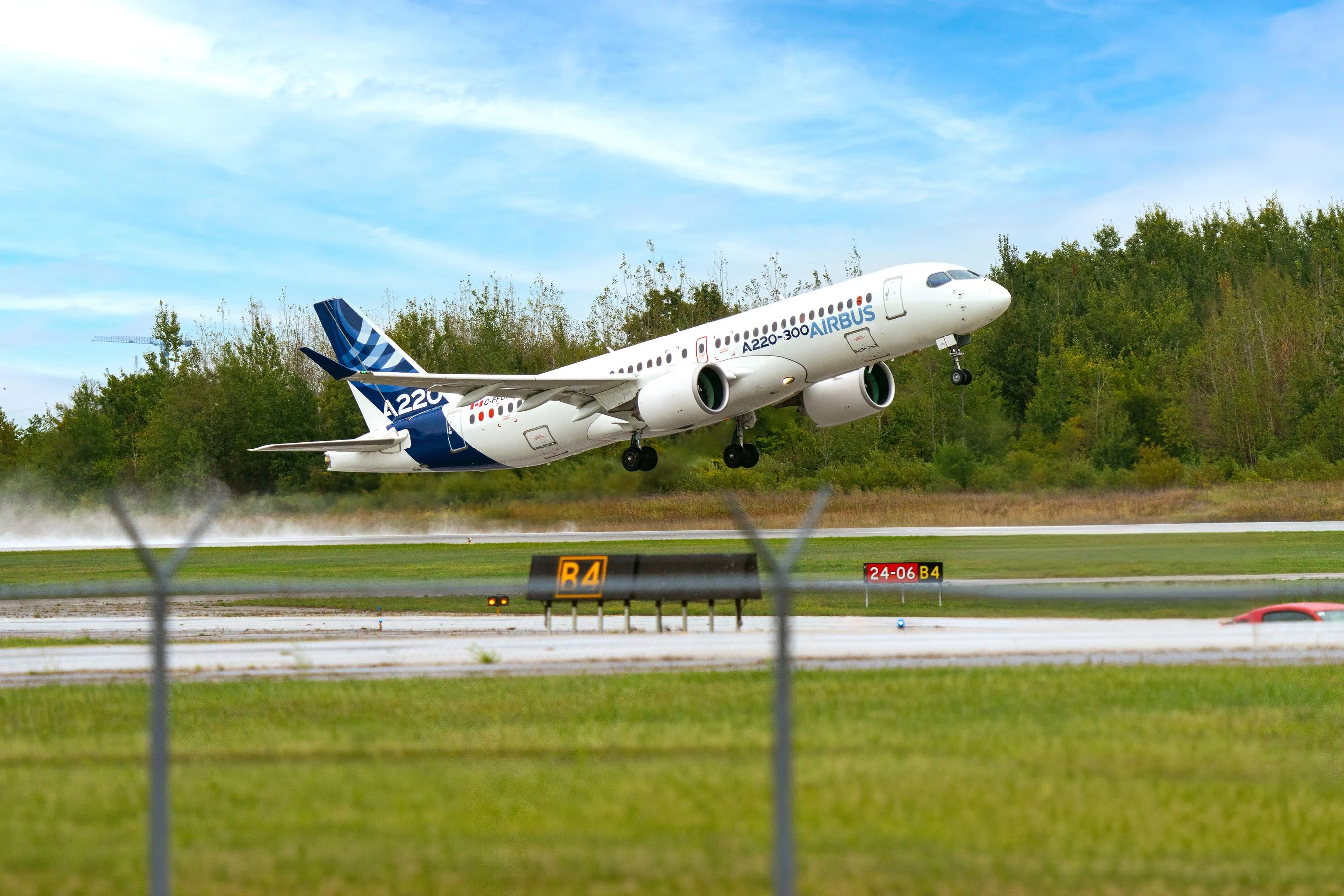 A220-300 takeoff. Photo: Airbus
The aircraft is already being used for several routes that demonstrate this capability. airBaltic operates direct flights from Riga to Dubai, covering nearly 4,300 kilometers, while Breeze Airways connects Columbus, Ohio, with Punta Cana in the Dominican Republic.
These services allow airlines to offer long-distance leisure connections from smaller cities without routing passengers through major coastal or international hubs.
The A220 Can Also Reach Challenging City Airports
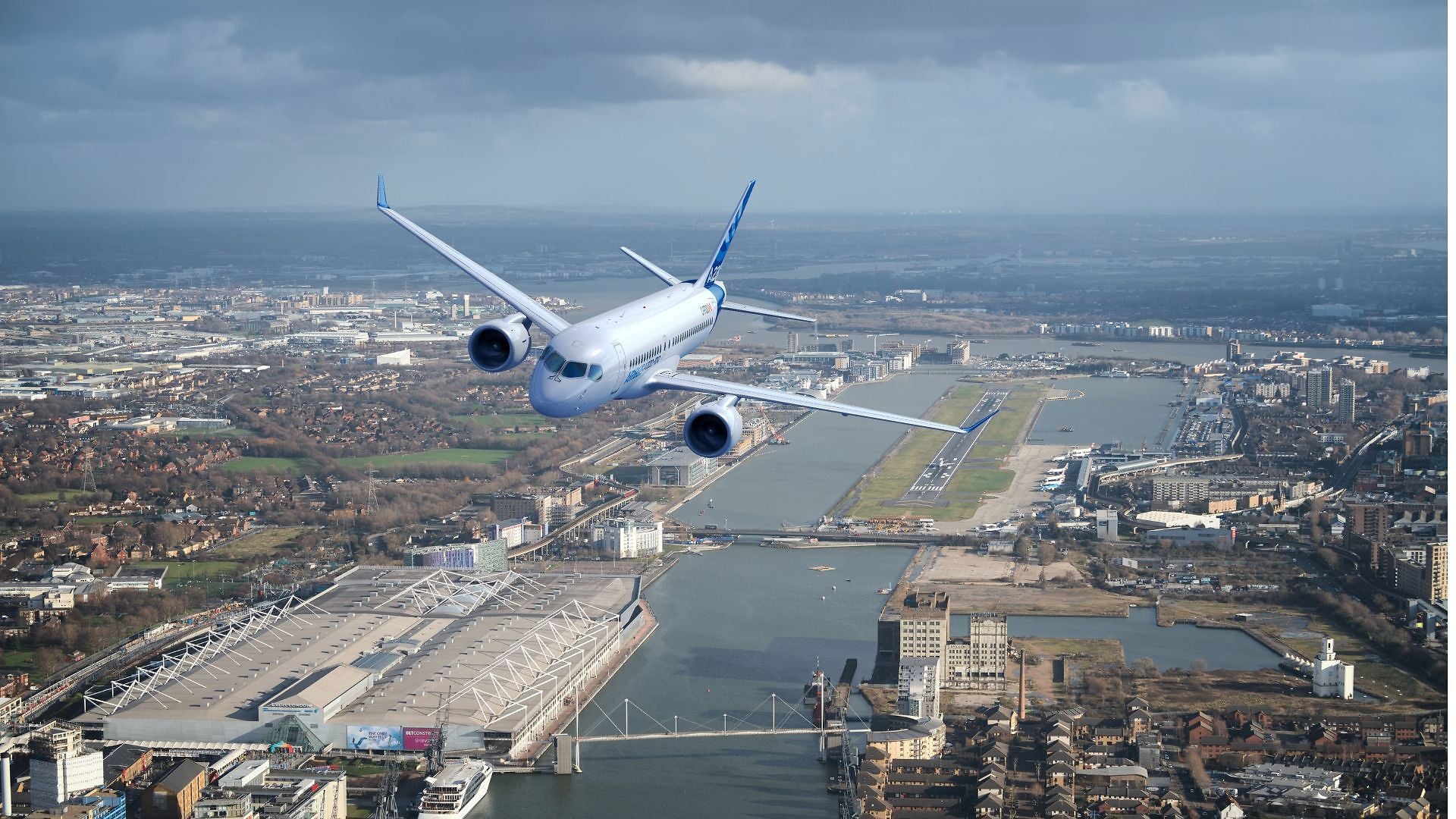 London city airport - A220-100. Photo; Airbus
The aircraft's capabilities extend beyond long-distance flying. The A220-100 is also certified for operations at London City Airport, which is known for its short runway and steep 5.5-degree approach.
SWISS operates the aircraft at London City, as well as at Florence Airport, where surrounding terrain and operational restrictions create additional challenges.
According to Airbus, the A220-100 is the largest aircraft capable of operating at London City and is the only in-production aircraft in its class combining these steep-approach capabilities with genuine long-range performance.
Connecting Remote Regions Across the World
The A220 is also helping airlines establish connections between regions that have traditionally been difficult to reach directly.
Air Tanzania operates nonstop flights between Dar es Salaam and Mumbai, connecting East Africa with the Indian subcontinent. Air Niugini has introduced a direct connection between Port Moresby and Sydney, while QantasLink uses the aircraft to connect regional communities across Australia's vast territory.
Airbus argues that these routes demonstrate the aircraft's potential beyond traditional leisure and business markets, particularly in regions where geography and relatively low passenger demand have limited direct air services.
The manufacturer expects the A220's role in connecting smaller cities and remote destinations to continue expanding as airlines look for ways to develop routes without relying exclusively on major international hubs.
For passengers, the result can be shorter journeys, fewer connections and direct access to destinations that previously required more complicated itineraries.