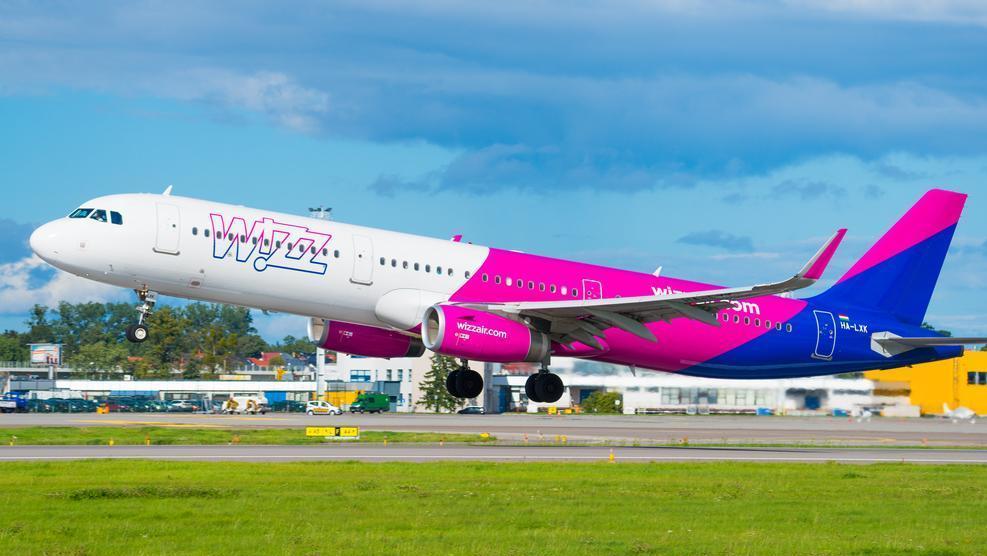
Wizz Air is returning to one of Romania's domestic routes, announcing the resumption of flights between Bucharest Otopeni and Cluj-Napoca after an eight-year absence. The low-cost carrier will launch the route on December 18, 2026, with up to two daily flights in each direction and introductory fares starting at 199 lei (37 EUR).
Tickets are already available for booking, with the airline planning to operate up to 12 weekly frequencies between the two cities.
 Cluj-Napoca, Romania. Photo: Shutterstock
Flight Schedule
Flights will depart from Cluj International Airport to Bucharest from Monday to Friday, with two daily services scheduled. On Saturdays and Sundays, the airline will operate one flight per day.
The weekday schedule includes a morning departure from Cluj-Napoca at 08:15, arriving at Bucharest Otopeni at 09:10. A second flight will leave Cluj at 18:30, reaching the Romanian capital at 19:25.
In the opposite direction, flights from Bucharest to Cluj-Napoca will also operate twice daily on weekdays. The first departure is scheduled for 06:45, with arrival at 07:40, while the afternoon service will leave Bucharest at 17:00 and land in Cluj at 17:55.
Weekend operations will be limited to the morning flights, with departures from Bucharest at 06:45 and arrivals in Cluj-Napoca at 07:40.
The services are scheduled to be operated using Airbus A321ceo aircraft by Wizz Air Malta.
There is one exception during the initial weeks of the service. Between December 18, 2026, and January 10, 2027, the two daily frequencies will operate only on selected days due to the winter holiday period.
 CEC Bank, Bucharest. Photo: DMZ001 / Shutterstock.com
Wizz Air's return adds another competitor to the Bucharest-Cluj domestic market, where TAROM and HiSky currently operate flights. The route connects Romania's capital with Cluj-Napoca, one of the country's main business, university and tourism centres.
The relaunch gives passengers another option for travelling between the two cities, particularly during the busy winter holiday period, when demand for domestic connections is traditionally higher.