Schiphol sets bold vision for 2035 expansion and green goals.
Amsterdam Airport Schiphol is presenting an ambitious plan for the future aimed at redefining its role over the coming decades. With an unprecedented investment of around €10 billion by 2035, the Netherlands’ main airport plans to expand and upgrade infrastructure, improve the passenger experience and employee working conditions, and become quieter and more environmentally friendly, while dramatically reducing emissions.
Schiphol CEO Peter van Aard defines the move as part of a broader concept: "For more than a century, Schiphol has been a home for world travellers, a hub for goods and a cornerstone of our economy. With our plans for the future, we want to maintain and strengthen that position and contribute to the progress of the Netherlands. Our future can be summed up in two words: quality and balance. This is how we keep the Netherlands moving and make a small country great. With a high-quality airport that serves the Netherlands."
New Terminal, Upgraded Passenger Shafts, and Modern Spaces
At the heart of the plan is the construction of a new Terminal South, a spacious, bright, and quiet building that will offer future passengers a more comfortable and modern transit experience. Despite the expansion, Schiphol intends to maintain its unique concept of a single terminal field, where everything is under one roof and within walking distance.
At the same time, the new A-shaft is scheduled to open in 2027, followed by a comprehensive renovation of B, C, D, and H/M-shafts. The old passenger shafts will be renovated and made sustainable, creating more space for passengers and allowing for the reception of larger, quieter, and cleaner aircraft. According to the plan, boarding gates will also be required for the largest models.
The passenger service areas will also look different: a massive upgrade of the catering areas, shops, lounges, and seating areas. Lounge 1, which was recently renovated, is seen by the airport management as an example of the future look, spacious spaces, clean and modern design, and more comfort for passengers during waiting hours.
Improved Accessibility: Upgraded Roads and a New Metro Line
Schiphol has been dealing with significant traffic congestion around the airport in recent years. As part of the plan, the roads in and around the port will be improved, along with the promotion of a new metro line that will connect Amsterdam, Schiphol, and Hoofddorp. The goal is to ensure high accessibility for employees and passengers, reduce the load on the road network, and increase the operational resilience of the airport even during peak hours.
Airport management has also emphasized that improved accessibility is an essential element in strengthening the airport's status as a major port in Europe, and that efficient public transportation will also contribute to reducing emissions from private vehicles.
Target: 90% Less Greenhouse Gas Emissions by 2030
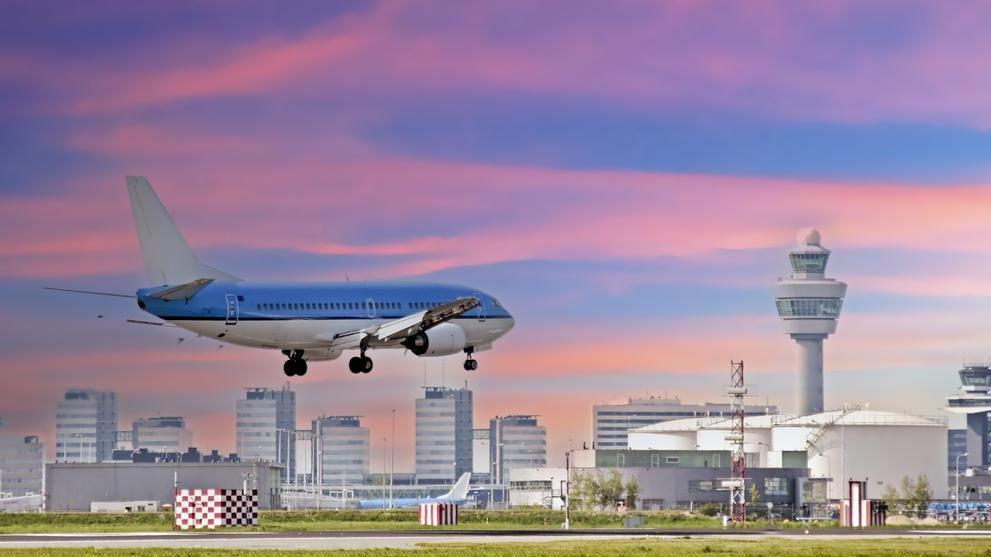
 An aggressive green move. Photo: Shutterstock
One of the flagship goals of the plan is to reduce greenhouse gas emissions from on-field activities by 90% by 2030, compared to 2019 levels. The path to achieving this goal involves a series of steps:
- Gradual reduction in gas use.
- Rapid transition to electric vehicles in field operations and transportation to and from it.
- Construction and renovation of new buildings, such as Shaft A and Shaft C, designed according to current green building standards
In the broader aviation sector, the Dutch government has set a target to reduce aircraft emissions to levels similar to 2005 by 2030, including by increasing the blending rate of sustainable aviation fuel (SAF).
Currently, at least 2% of the fuel used by aircraft at Schiphol is sustainable blended fuel, and the port is a partner in international initiatives to accelerate the transition to clean fuels, including leading the TULIPS consortium to promote green innovation at airports.
On the ground itself, the airport said it is working with ground handling companies, Dutch air traffic control, and airlines to reduce emissions around the shafts. The airport provides electricity and air conditioning to aircraft at the parking bays to allow them to turn off their engines, and plans are now underway to expand the system to all gates as part of the C-shaft renovation. In addition, four electric TaxiBot vehicles have been purchased, which transport aircraft to and from the runway with their engines off for most of the journey.
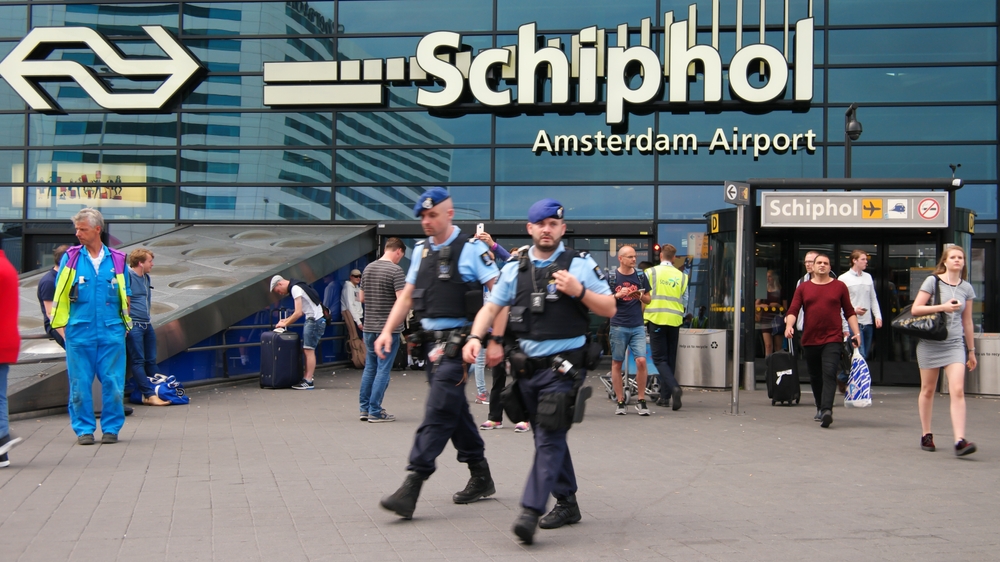 Schiphol Airport. Photo: Shutterstock
Better Working Conditions: Less Physical Strain, Less Exposure to Pollution
The airport also intends to invest in technologies that will make it easier for its workforce through:
- Robots for handling luggage and suitcases, to reduce strenuous physical labor.
- Underground systems for transporting luggage and goods quickly and efficiently.
- Reducing exposure to ultra-fine pollution particles for workers active in the vicinity of aircraft and shafts.
Schiphol management notes that better working conditions, a healthy work environment, and technological innovation are basic conditions for attracting and retaining quality employees, especially given the competition for personnel in the European aviation industry.
What the Field Will Look Like in 2050
The long-term infrastructure vision is anchored in the Schiphol Centre Master Plan 2050 document, developed together with the planning offices, which outlines Schiphol in 2050: a more spacious, modern field, connected to an advanced transportation network and better integrated into the surrounding urban and community environment.
At the same time, the Schiphol Group adopted a strategic plan for the years 2025-2035, based on six key principles:
- Returning the airport to the top three leading airports in Europe in terms of quality.
- Creating a renewed balance with the environment and the local community
- Substantial improvement in working conditions.
- Development of regional airports.
- Deepening international cooperation.
- Maintaining a stable and durable financial foundation.