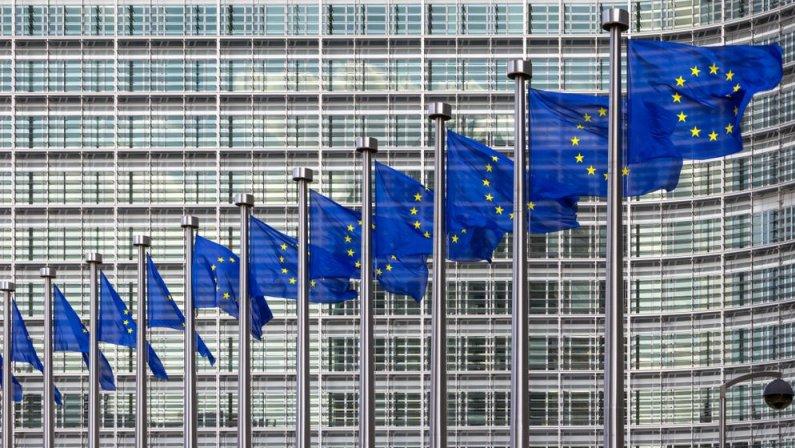
European lawmakers are drawing a firm line when it comes to air passenger rights. They want travellers to keep the right to compensation after a three-hour delay, while also making the claims process easier and protecting basic things like free cabin luggage.
On Wednesday, January 22, 2026, the European Parliament voted overwhelmingly to adopt its position on proposed changes to EU air passenger rules. The vote passed 632 to 15, with nine abstentions. At the heart of the debate is a push by several EU governments to water down protections that have been in place since 2004. MEPs rejected that approach, arguing the rules exist to shield passengers when flights are delayed, cancelled, or overbooked.
Three-Hour Threshold Stays
Parliament insists that the current three-hour threshold for compensation should stay. Under proposals backed by EU ministers, compensation would only kick in after four to six hours, depending on flight length.
Lawmakers are also opposed to lowering payout amounts, seeking to keep compensation between €300 and €600 based on distance, rather than the €300 to €500 range favoured by member states.
Nothing Left to Interpretation
MEPs agree that airlines should not be on the hook for events outside their control, but they want clearer limits. The list of so-called extraordinary circumstances, such as natural disasters, war, severe weather, or unexpected labour disputes, should be fixed and regularly updated by the Commission, rather than be left open to interpretation.
Basic care obligations should also remain, said MEPs. This means airlines would still have to offer refreshments every two hours, a meal after three hours, and hotel accommodation for up to three nights during long delays. Parliament supports the three-night cap, saying it gives airlines predictability without leaving passengers stranded.
Pre-Filed Compensation Forms Sent Within 48 Hours
Another focus is making reimbursement less of a headache. Airlines would be required to send passengers a pre-filled compensation form within 48 hours of a delay or cancellation. Passengers would then have a year to submit their claim. Lawmakers say this could cut down on confusion and reduce reliance on claims companies.
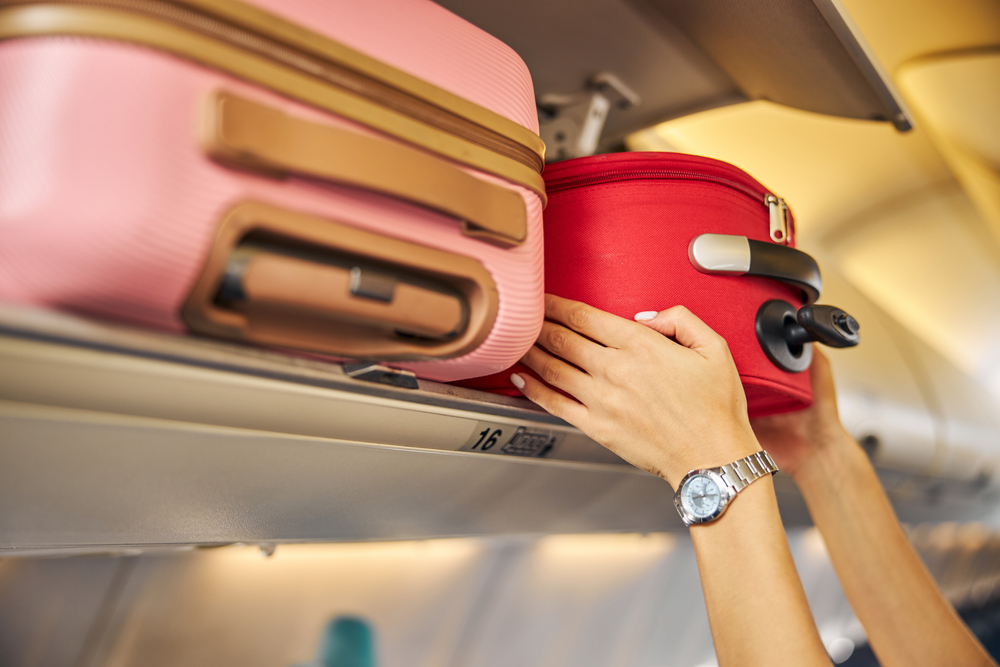 Photo: Shutterstock
Parliament also firmly pushed back against extra fees, saying travelers should be allowed to bring one personal item and one small carry-on bag weighing up to 7 kg at no extra cost. Moreover, companies should eliminate the fees for correcting name errors on tickets or at check-in, while also allowing passengers to freely choose between digital and paper boarding passes.
Special protections are included for vulnerable travellers. Passengers with disabilities or reduced mobility would be entitled to compensation if failures in airport assistance cause them to miss a flight. They, along with pregnant women, infants, and children with prams, should receive boarding priority, and companions should be seated next to them without extra charges.
Rapporteur Andrey Novakov summed up Parliament’s stance:
“Parliament is ready to continue the fight for clearer and more predictable rules for airlines and a stronger aviation sector, but not at the expense of passengers. Our baseline is clear: we are determined to improve rather than dilute air passenger rights. We insist that reducing delays has significant overall benefits for Europe’s economy. Therefore, the three-hour threshold for compensation, the existing compensation levels, pre-filled forms and enforceable safeguards remain our red lines. We are counting on EU transport ministers to reconsider their position so that together we may find a mutually acceptable outcome. Citizens expect us to deliver.”
Up next, the file will return to the Council. If governments reject Parliament’s changes, a conciliation committee will try to break the deadlock. After more than a decade of stalled reform, the outcome still seems far from settled.